What Is Dough Proofing in Pizza?
Understanding dough proofing transforms your homemade pizza from average to exceptional. This stage wakes up the yeast, builds gluten, and infuses the dough with complex flavor. Proofing is not just waiting, it is a precise fermentation process that defines texture and digestibility. Proper proofing makes the difference between a dense cracker and an airy, tender crust.
Many home cooks focus on kneading or baking but overlook the quiet power of proofing. This guide decodes the science, timing, and techniques behind proofing pizza dough. You will learn how to master both short and long fermentation cycles. By the end, you will be able to craft pizzeria quality dough with confidence.
What Does Dough Proofing Mean?
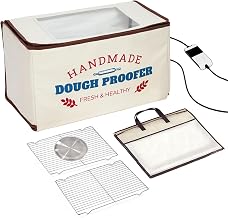
Extra Large Dough Proofing Box
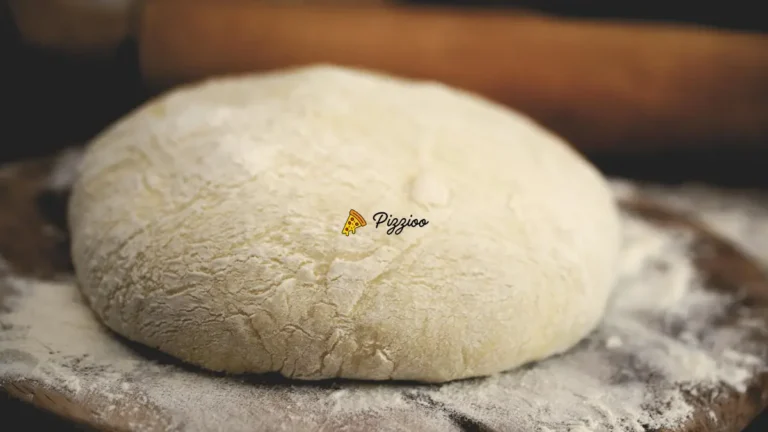
Check PriceProofing, also called fermentation, is the final rise of shaped dough before baking. In pizza making, this refers to the period after yeast is mixed with flour and water. During proofing, yeast consumes sugars and produces carbon dioxide gas. That gas stretches the gluten network, creating the air pockets that give pizza its signature chew and lightness.
This process is identical in concept to letting bread dough rise, but pizza demands specific conditions. Pizza dough proofing balances temperature, time, and hydration to achieve a thin, extensible base. Without adequate proofing, the dough will resist stretching and bake up dense. With too much, it becomes weak and collapses.
The Science of Fermentation in Pizza Dough
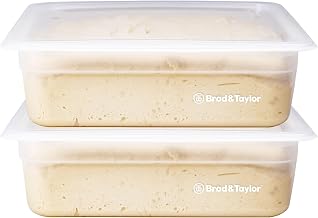
Brod & Taylor Proofing Container (2 Pack)
Check PriceYeast triggers fermentation, turning simple carbohydrates into alcohol, acids, and CO2. These byproducts are what make dough rise and develop character. Lactic acid bacteria, naturally present or added via sourdough, also flourish during proofing. This microbial activity creates the subtle tang and improved crumb structure we associate with artisan pizza.
Gluten formation intensifies alongside gas production. As CO2 inflates the dough, the elastic gluten strands stretch but do not tear. The result is a strong yet extensible dough that can hold its shape. You can learn more about this elastic property in our guide on how to handle dough that is too elastic.
Bulk Fermentation vs. Ball Proofing
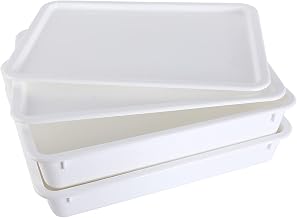
Pizza Dough Proofing Box, Commercial Grade
Check PriceBulk fermentation happens first, right after mixing the dough into a single mass. This stage allows the entire batch to develop gluten and flavor uniformly. After bulk rise, you divide and shape the dough into individual balls. Those balls then go through a second, shorter proof called ball proofing.
Ball proofing relaxes the gluten in each portioned round, making stretching effortless later. Skipping ball proofing leads to dough that fights back when you open it. For best results, let the dough balls rest until they have softened and expanded slightly. Properly proofed balls spread gently, not rapidly, and retain a slight dome.
How Temperature Affects Proofing Time
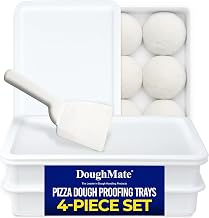
DoughMate Artisan Dough Tray Kit
Check PriceTemperature is the throttle that controls the speed of fermentation. Warmer environments around 75 to 85 degrees Fahrenheit speed up yeast activity. Cooler temperatures, like those in a refrigerator, slow it dramatically. This allows you to extend proofing from hours to days while building deeper flavor.
Most traditional pizza dough benefits from a long, cool proof known as cold fermentation. Keeping the dough between 36 and 40 degrees Fahrenheit retards yeast growth but lets enzymes work on the flour. These enzymes break down starches into sugars, improving browning and taste. The extended timeline also produces a perfectly soft dough; check our advice on making your dough softer for more details.
How Long Should You Proof Pizza Dough?
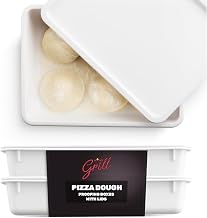
Hans Grill Pizza Dough Proofing Box (2 Pack)
Check PriceA short proof at room temperature may need just 1 to 2 hours after shaping. This quick method works for same day pizzas but yields milder flavor. A cold proof in the refrigerator stretches from 12 to 72 hours. Many pizzerias prefer a 24 to 48 hour fermentation for the optimal balance of strength and digestibility.
The exact duration depends on your yeast amount and dough temperature. Small yeast quantities, such as 0.2 percent of flour weight, allow for longer cold ferments without overproofing. Always look for the dough to nearly double in volume. If you freeze dough, read our guide on how to freeze pizza dough to pause the proofing cycle.
The Role of Yeast and Gluten Development
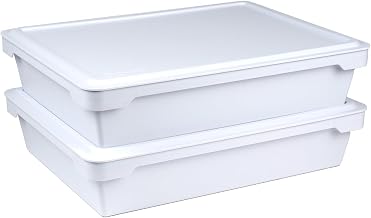
Ooni Pizza Dough Proofing Box with Lid
Check PriceYeast is the engine, but gluten is the framework. Gluten forms when water hydrates two proteins in flour, glutenin and gliadin. During proofing, these proteins link into a stretchy web that traps gas. Strong flour with moderate protein levels, typically around 12 to 13 percent, gives pizza dough enough strength without toughness.
Choosing the right flour supports this development. Milled Italian 00 flour creates a silky, extensible dough perfect for high heat ovens. Bread flour provides a chewier crust that holds up to heavy toppings. To select the ideal base for your recipe, explore our resource on selecting the best flour for pizza dough.
Signs Your Dough Is Properly Proofed
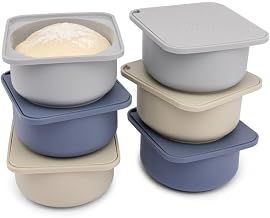
Babadoh Pizza Dough Proofing Silicone Containers
Check PriceVisual and tactile cues reveal readiness more reliably than a clock. A well proofed dough ball looks smooth, swollen, and slightly puffy. When you gently press it with a floured finger, the indentation should slowly spring back but not disappear entirely. If the dough collapses or deflates, it has likely overproofed.
Another indicator is the dough’s feel during shaping. Properly proofed dough stretches easily without tearing or fighting back. It should hold a thin, even disc while maintaining a delicate rim. The aroma also shifts, offering a mild, yeasty, slightly fermented scent rather than a sharp alcoholic hit.
Overproofing vs. Underproofing: Troubleshooting
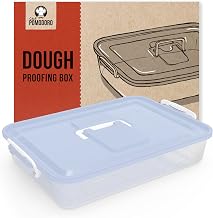
Chef Pomodoro Pizza Dough Proofing Box
Check PriceUnderproofed dough feels tight and resists being stretched. It bakes into a thick, dense crust with a tight crumb and few air bubbles. The center may remain doughy because the gluten network has not relaxed enough. Quick proof at higher temperatures helps, but restarting with a longer bulk fermentation is often necessary.
Overproofed dough turns slack, sticky, and tears easily. The gluten structure degrades, causing gas to escape and the dough to collapse. If caught early, you can reshape the dough and give it a short rest. However, severely overproofed dough needs to be reballed with a minimal amount of fresh flour and given a brief new proof before baking.
The Best Environment for Proofing
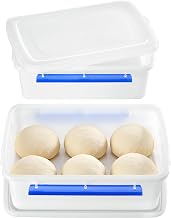
Vtopmart 2 Pcs Pizza Dough Proofing Box
Check PriceHumidity control prevents the dough surface from forming a dry skin. A damp cloth or plastic wrap works for short proofs, but dedicated proofing containers seal in moisture perfectly. Temperature stability is also vital, a proofing box or a turned off oven with the light on creates a consistent warm zone. Drafts and cool surfaces slow fermentation unevenly, leading to inconsistent results.
For home bakers, a simple proofing box offers massive benefits. These boxes stack neatly, maintain humidity, and allow you to monitor several dough balls at once. Using a proofing container dramatically reduces variables. The result is repeatable, professional level dough that rises exactly as predicted each time.
Using a Dough Proofing Box for Consistent Results
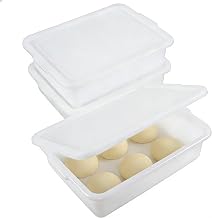
Pack of 3 Pizza Dough Proofing Box
Check PriceA dough proofing box, often used in pizzerias, organizes fermentation effortlessly. These stackable bins prevent dough balls from touching and sticking. Lids lock in moisture while allowing minimal airflow. They are designed to hold multiple dough trays, making large batch management seamless.
For the passionate home baker, a proofing box delivers consistency that open air methods cannot match. You can precisely direct the fermentation by moving the entire box between refrigerator and room temperature. The non porous surfaces are easy to clean and odor resistant. If you want repeatable results, this tool is indispensable.
Cold Proofing: The Seceret to Better Flavor
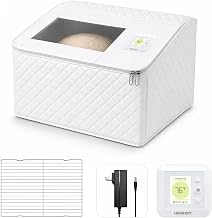
2026 Advanced Sourdough Proofing Box
Check PriceCold proofing, or refrigerating dough for 24 to 72 hours, is a game changer. The slow fermentation allows enzymes to unlock complex sugars from the starch. This results in a crust that browns beautifully and offers a nuanced, slightly sweet taste. The process also makes the dough easier to digest because gluten breaks down gently.
Time replaces mechanical work in cold proofing, so you knead less initially. Simply mix, bulk ferment for an hour, ball, then refrigerate. This method aligns with authentic Neapolitan and New York styles. For a comprehensive look, the King Arthur Baking guide on fermenting dough explains the micobiology deeply.
Proofing Neapolitan vs. New York Style Dough
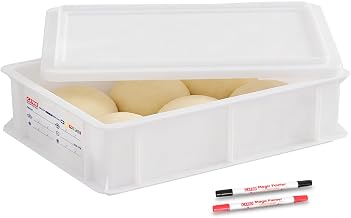
GATBO Proofing Container wiith Label Sticker & Markers
Check PriceNeapolitan dough relies on very high hydration and minimal yeast. It proofs at room temperature for 8 to 12 hours, then often receives a second short proof at cool temps. The goal is extreme extensibility and a soft, pillowy cornicone. Overproofing must be avoided because the delicate structure collapses rapidly in a 900 degree oven.
New York style dough uses oil and sugar, requiring a more robust proofing regiment. Cold fermentation for 24 to 48 hours is standard. This long chill develops a chewy, foldable slice with a slight tang. The cold dough opens easily and bakes into a crisp yet pliable base that holds generous toppings.
Common Proofing Mistakes to Avoid
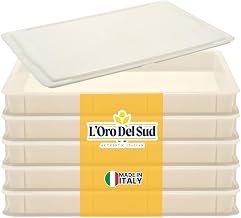
L’Oro Del Sud Commercial Dough Proofing Box Trays (5 Pack)
Check PriceOne frequent error is using too much yeast, which causes the dough to blow past its peak. Another is ignoring dough temperature, leading to uneven fermentation. Overflouring the bench during shaping can degas the proofed dough and tighten the gluten. Always handle the dough gently to preserve the structure you built over hours.
Failing to cover the dough properly causes dry crust that inhibits spring. Also, rushing the final proof after refrigeration results in a cold, unresponsive dough disk. Let cold dough balls sit at room temperature for at least 30 to 60 minutes before stretching. These small adjustments separate great pizzas from mediocre ones.
Frequently Asked Questions About Pizza Dough Proofing
What is the best temperature for proofing pizza dough? The ideal range for warm proofing is 75 to 85 degrees Fahrenheit. For cold proofing, keep the dough between 36 and 40 degrees Fahrenheit. Consistent temperature avoids hot spots and overactive yeast pockets.
Can I proof pizza dough too long? Yes. Overproofing exhausts the yeast and weakens the gluten network. The dough will become sticky, slack, and impossible to shape. If it smells strongly of alcohol and collapses easily, it is past its prime.
How do I know when proofing is complete? Perform the poke test. Lightly press a floured finger into the dough; a slow, partial rebound indicates readiness. Full depression that does not bounce back signals overproofing. A quick, full bounce means the dough needs more time.
Why does my pizza dough not stretch after proofing? Often the dough is underproofed or too cold. Let it rest longer at room temperature. You can also check your flour’s protein content, a protein level below 10 percent may lack the gluten strength necessary for easy stretching. See our tips on how to stretch pizza dough.
Do I need a proofing box for cold fermentation? While not mandatory, a proofing box greatly improves consistency. The sealed environment prevents skinning and allows perfect humidity control. Lidded boxes also stack efficiently in the refrigerator, saving space during multi day ferments.
How many hours of proofing gives the best taste? A minimum of 24 hours cold proofing develops noticeable flavor improvement. For peak complexity and digestibility, aim for48 to 72 hours. Beyond72 hours, dough may degrade unless you reduce yeast to near zero. The trade off between time and flavor is a personal choice.
Proofing pizza dough is the heart of pizza craftsmanship. Mastery this stage means you control the crumb, the flavor, and the final texture. With these techniques and the right tools, you can produce restaurant quality pizza at home every time. Embrace patience and let the fermentation work for you.