Best Flour for Pizza Dough: Expert Guide & Top Picks (2026)
Making great pizza starts with choosing the right flour. The best flour for pizza dough depends on the type of pizza you want to make, your oven, and how chewy, crispy, or airy you want the crust to be.
While 00 flour is the top choice for authentic Neapolitan pizza, bread flour, all purpose flour, and high gluten flour can produce outstanding results for many homemade pizza styles.
But flour is much more than a simple ingredient. It controls how your dough stretches, rises, browns, and bakes. The protein content, gluten strength, and even the milling process all play a major role in the final texture of your pizza crust.
With so many options available, it is easy to wonder which flour is actually worth buying. Should you choose Italian 00 flour?
Is bread flour better for New York style pizza? Can all purpose flour make restaurant quality pizza? Does high protein always mean better results?
Why Flour Choice Matters for Pizza Dough?
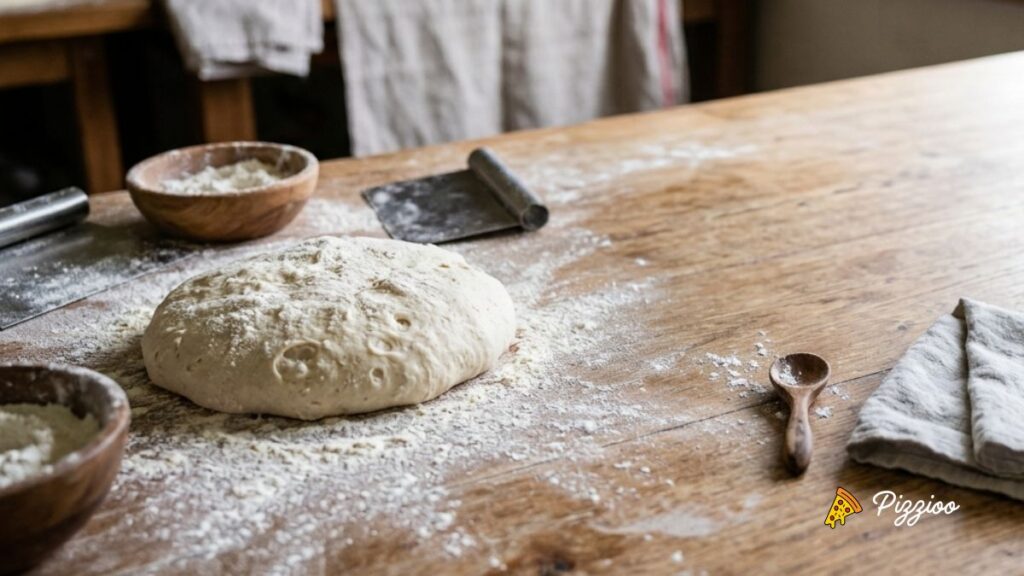
The flour you choose has a bigger impact on your pizza than almost any other ingredient. It determines how the dough feels when you knead it, how well it rises, and how the finished crust tastes and textures. Even if you use the same recipe, changing the flour can produce a completely different pizza.
Here are the main reasons why flour choice matters:
- Controls gluten development: Higher-protein flours create stronger gluten, making the dough stretchy and easier to shape without tearing.
- Affects crust texture: The right flour helps you achieve the crust you want, whether it’s crispy, chewy, soft, or light and airy.
- Influences dough strength: Strong flour can hold more gas during fermentation, creating a better rise and larger air pockets.
- Changes water absorption: Different flours absorb different amounts of water, which directly affects dough hydration and consistency.
- Impacts fermentation: Some flours perform better during long, cold fermentation, while others are better suited for same-day pizza dough.
- Determines browning: Flour composition affects how quickly the crust browns and develops a rich golden color during baking.
- Improves flavor: Whole grain and specialty flours add unique flavors, while refined flours produce a cleaner, milder taste.
- Matches different pizza styles: Neapolitan, New York, Detroit, Sicilian, and Roman pizzas all benefit from different flour characteristics.
- Works with your oven: Some flours are designed for high-temperature pizza ovens, while others deliver better results in standard home ovens.
Read Also: How Much Dough Per Pizza
Understanding Pizza Flour Basics
Before choosing a pizza flour, it’s important to understand what makes one flour different from another. Factors like protein content, gluten strength, and milling affect how your dough mixes, ferments, stretches, and bakes. Learning these basics will help you choose the right flour for any pizza style.
What Is Flour Protein Content?
Protein content refers to the percentage of protein found in flour. During mixing, these proteins form gluten, which gives pizza dough its structure and elasticity. Low-protein flour creates a softer, more tender crust, while high-protein flour produces a chewier crust with better rise.
As a general guide:
- 8% to 10% protein: Soft flour for pastries and cakes
- 10% to 11.5% protein: All purpose flour
- 12% to 13% protein: Bread flour
- 13% to 15% protein: High gluten flour
How Gluten Affects Pizza Dough
Gluten is the network that develops when flour and water are mixed together. It traps carbon dioxide released by yeast, allowing the dough to rise and creating the airy pockets inside the crust.
Strong gluten provides:
- Better dough elasticity
- Easier stretching
- Improved oven spring
- Chewy texture
- Larger air bubbles
Weak gluten produces a softer dough that may tear more easily during shaping.
Flour Strength (W Rating) Explained
The W rating measures flour strength and its ability to withstand fermentation. It is commonly used for Italian pizza flours, especially Tipo 00 flour.
Typical W ratings include:
- W160 to W220: Short fermentation
- W240 to W280: Standard pizza dough
- W300 to W330: Long cold fermentation
- W350 and above: Very strong dough for extended fermentation
Higher W ratings usually mean the flour can absorb more water and maintain its structure during longer proofing times.
Ash Content and Why It Matters
Ash content measures the amount of natural minerals left in flour after milling. Although it sounds technical, it mainly affects flavor, color, and dough characteristics.
- Lower ash content creates lighter colored flour with a mild flavor.
- Higher ash content adds a deeper wheat flavor and darker appearance.
- Whole wheat flour naturally has the highest ash content.
Extraction Rate Explained
Extraction rate tells you how much of the wheat kernel remains after milling.
- Low extraction flour is finely milled and produces a soft, light dough.
- High extraction flour retains more bran and germ, offering more fiber, nutrients, and a richer wheat flavor.
Most pizza flours are made with lower extraction rates to produce a smooth and elastic dough.
Different Types of Flour for Pizza Dough
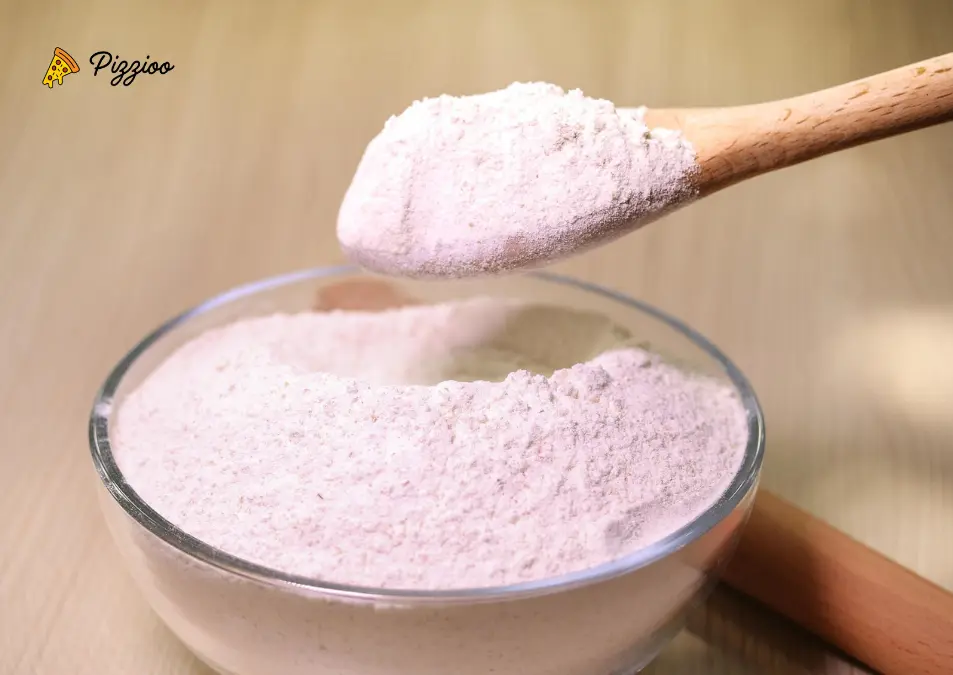
Not all pizza flours are the same. Each type has a different protein level, gluten strength, and texture, making it better suited for specific pizza styles. Whether you’re making an authentic Neapolitan pizza, a crispy New York slice, or a homemade pan pizza, choosing the right flour can significantly improve your results.
00 Flour
00 flour is the gold standard for authentic Italian pizza, especially Neapolitan pizza. It is finely milled, producing a soft, smooth dough that stretches easily and bakes into a light crust with an airy edge. Most Italian 00 flours work best in very hot pizza ovens.
Best for:
- Neapolitan pizza
- Wood-fired pizza
- High-temperature pizza ovens
Pros:
- Fine texture
- Excellent elasticity
- Soft and airy crust
- Easy to stretch
Cons:
- Performs best in very hot ovens
- Usually more expensive than regular flour
Bread Flour
Bread flour is one of the most popular choices for homemade pizza. Its higher protein content creates a strong gluten network, resulting in a chewy crust with excellent structure. It performs well in both home ovens and pizza ovens.
Best for:
- New York-style pizza
- Thin crust pizza
- Homemade pizza
Pros:
- Strong gluten development
- Chewy texture
- Easy to find
- Great for long fermentation
Cons:
- Slightly less tender than 00 flour
All-Purpose Flour
All-purpose flour is a versatile option that works well for everyday homemade pizza. Although it contains less protein than bread flour, it still produces delicious pizza with a softer crust.
Best for:
- Beginner pizza makers
- Homemade pizza
- Same-day dough
Pros:
- Affordable
- Widely available
- Easy to work with
Cons:
- Less chewiness
- Weaker gluten structure
High-Gluten Flour
High-gluten flour contains the highest protein among common pizza flours. It produces an extra chewy crust with outstanding strength, making it ideal for pizzas that require long fermentation.
Best for:
- New York-style pizza
- Commercial pizzerias
- Long cold fermentation
Pros:
- Very strong dough
- Excellent oven spring
- Holds high hydration well
Cons:
- Can become too chewy if overused
- Requires proper dough handling
Whole Wheat Flour
Whole wheat flour includes the bran and germ of the wheat kernel, giving pizza dough a nutty flavor and higher fiber content. Because bran cuts through gluten strands, it is often mixed with white flour for better texture.
Best for:
- Healthy homemade pizza
- Rustic pizza recipes
Pros:
- Rich flavor
- High fiber
- More nutrients
Cons:
- Denser crust
- Less airy texture
White Whole Wheat Flour
White whole wheat flour offers the nutritional benefits of whole wheat with a milder flavor and lighter color. It creates a softer whole grain pizza crust that appeals to more people.
Tipo 0 Flour
Tipo 0 flour is slightly less refined than 00 flour. It has a bit more texture while still producing an elastic dough with excellent baking performance. Many artisan pizza makers use it for rustic pizzas.
Semolina Flour
Semolina flour is made from durum wheat and has a coarse texture. It is commonly used for dusting pizza peels to prevent sticking, but it can also be blended into pizza dough for added crispness and flavor.
Durum Flour
Durum flour is finely ground from the same wheat used to make semolina. It gives pizza dough a slightly golden color, firm structure, and subtle buttery flavor when blended with other flours.
Rye Flour
Rye flour adds a distinctive earthy flavor and darker color to pizza dough. Since it develops little gluten, it is usually mixed with bread flour or 00 flour rather than used alone.
Spelt Flour
Spelt flour is an ancient grain flour known for its mild nutty taste. It forms gluten differently than modern wheat, producing a softer dough that many people enjoy for artisan pizzas.
Einkorn Flour
Einkorn is one of the oldest cultivated wheat varieties. It creates pizza dough with a rich, slightly sweet flavor but develops weaker gluten, making it best when combined with stronger flours.
Gluten-Free Pizza Flour Blends
Gluten-free pizza flour blends combine ingredients such as rice flour, potato starch, tapioca starch, and xanthan gum to mimic traditional wheat flour. They are specially formulated for people with gluten intolerance or celiac disease and can produce surprisingly good pizza when used according to the recipe.
Best Flour for Every Pizza Style
Every pizza style has its own signature crust, and the flour you choose plays a major role in achieving it. Some pizzas need soft, finely milled flour for an airy crust, while others require stronger flour to create a chewy bite or support a thick, fluffy base. Here are the best flour choices for the most popular pizza styles.
Neapolitan Pizza
Best flour: 00 flour
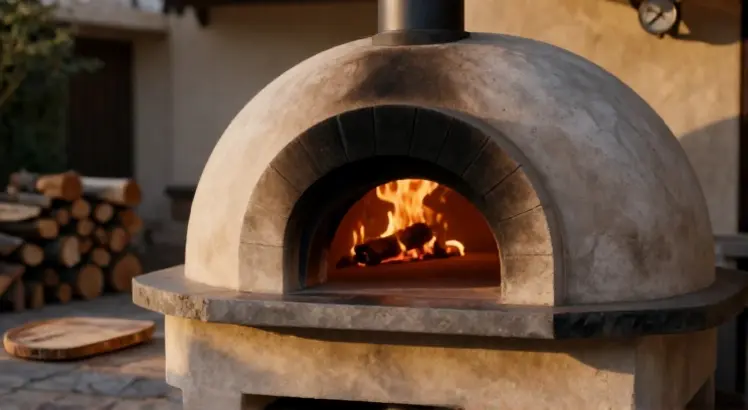
Authentic Neapolitan pizza is traditionally made with Italian 00 flour. Its fine texture and balanced protein content create a soft, stretchy dough that bakes into a light crust with an airy, leopard-spotted edge. It performs best in wood-fired or high-temperature pizza ovens above 800°F (425°C).
New York-Style Pizza
Best flour: Bread flour or high-gluten flour
New York-style pizza is known for its chewy crust that can be folded without breaking. Bread flour provides plenty of strength for home bakers, while high-gluten flour delivers the classic pizzeria texture with excellent chew and crispness.
Detroit-Style Pizza
Best flour: Bread flour
Detroit-style pizza has a thick, airy interior with crispy caramelized edges. Bread flour develops enough gluten to support the high hydration dough while creating a light and fluffy crumb.
Sicilian Pizza
Best flour: Bread flour
Sicilian pizza features a thick, soft crust with a crispy bottom. Bread flour gives the dough enough structure to rise well during fermentation while maintaining a tender interior.
Chicago Deep Dish Pizza
Best flour: All-purpose flour
Unlike most pizza styles, Chicago deep dish aims for a tender, biscuit-like crust rather than a chewy one. All-purpose flour produces a softer dough that holds heavy toppings without becoming tough.
Roman Pizza
Best flour: 00 flour or Tipo 0 flour
Roman pizza is famous for its crisp crust and airy interior. Both 00 flour and Tipo 0 flour work well because they create a smooth dough that handles long fermentation and high hydration beautifully.
Tavern-Style Pizza
Best flour: All-purpose flour
Tavern-style pizza has a thin, crispy crust that is rolled rather than stretched. All-purpose flour creates a crust that bakes evenly and develops the signature crunchy texture.
Thin Crust Pizza
Best flour: Bread flour
Bread flour provides enough gluten to stretch the dough very thin while still creating a crisp base with a pleasant chew around the edges.
Thick Crust Pizza
Best flour: Bread flour
A thick crust requires a strong flour that can trap gas during proofing. Bread flour creates a light interior while maintaining enough strength to support generous toppings.
Pan Pizza
Best flour: Bread flour
Pan pizza dough benefits from bread flour because it creates a fluffy crumb with a crispy golden bottom after baking in an oiled pan. It also performs well with higher hydration recipes.
Wood-Fired Pizza
Best flour: 00 flour
Wood-fired ovens reach extremely high temperatures, making 00 flour the ideal choice. It produces a soft, elastic dough that cooks quickly without burning, resulting in a delicate crust with excellent flavor.
Home Oven Pizza
Best flour: Bread flour
Most home ovens cannot reach the temperatures needed for traditional Neapolitan pizza. Bread flour delivers more reliable results by producing a chewy crust that browns well at standard baking temperatures.
Sourdough Pizza
Best flour: Bread flour or a blend of bread flour and 00 flour
Sourdough pizza often undergoes a long fermentation, so strong flour is essential. Bread flour provides excellent structure, while blending in 00 flour creates a softer texture and improves dough extensibility.
Best Pizza Flour Brands
Choosing a high-quality flour brand can make a noticeable difference in your pizza dough. Premium flours offer consistent protein levels, reliable performance, and better gluten development, helping you achieve the perfect crust every time.
Whether you’re baking in a home oven or a professional pizza oven, these are some of the best pizza flour brands to consider.
Caputo Pizzeria 00 Flour
Caputo Pizzeria 00 Flour is one of the most trusted flours for authentic Neapolitan pizza. Milled in Italy, it has a fine texture and balanced protein content that creates soft, elastic dough with an airy crust. It performs exceptionally well in wood-fired and high-temperature pizza ovens.
Best for: Neapolitan pizza, wood-fired ovens, long fermentation.
Caputo Chef’s Flour
Caputo Chef’s Flour is a stronger version of traditional 00 flour. Its higher strength makes it suitable for longer fermentation periods and doughs with higher hydration. It is a favorite among artisan pizza makers looking for excellent structure and flavor.
Best for: Artisan pizza, cold fermentation, high-hydration dough.
King Arthur Bread Flour
King Arthur Bread Flour is one of the most popular choices for homemade pizza. Its consistent high protein content creates strong gluten, making it ideal for chewy New York-style pizza and pan pizzas. It also performs well in standard home ovens.
Best for: Homemade pizza, New York-style pizza, pan pizza.
King Arthur 00 Pizza Flour
King Arthur 00 Pizza Flour combines the benefits of finely milled flour with reliable quality. It produces smooth, easy-to-stretch dough and works well in both pizza ovens and conventional home ovens.
Best for: Neapolitan-style pizza, artisan pizza, home pizza ovens.
Bob’s Red Mill Artisan Bread Flour
Bob’s Red Mill Artisan Bread Flour is known for its quality and dependable performance. Its high protein level helps create pizza dough with excellent rise, chewy texture, and crisp edges.
Best for: Homemade pizza, artisan bread, long fermentation.
Central Milling Artisan Flour
Central Milling Artisan Flour is widely used by professional bakers and pizza makers. It provides outstanding gluten development and works especially well for naturally fermented and high-hydration doughs.
Best for: Artisan pizza, sourdough pizza, professional baking.
Flour Protein Comparison Chart
Protein content is one of the most important factors when choosing pizza flour. In general, higher protein creates stronger gluten, resulting in a chewier crust and better dough structure. Lower protein flours produce a softer, more tender crust.
Use the chart below to compare common pizza flour types and determine which one best matches your preferred pizza style.
| Flour Type | Typical Protein Content | Gluten Strength | Best For |
|---|---|---|---|
| Cake Flour | 7% to 9% | Very Low | Not recommended for pizza |
| Pastry Flour | 8% to 10% | Low | Rarely used for pizza |
| All-Purpose Flour | 10% to 11.5% | Medium | Homemade pizza, thin crust, beginners |
| Italian 00 Flour | 11% to 12.5%* | Medium to High | Neapolitan pizza, artisan pizza |
| Bread Flour | 12% to 13.5% | High | New York-style pizza, pan pizza |
| High-Gluten Flour | 13.5% to 15% | Very High | Commercial pizza, chewy crust, long fermentation |
| Whole Wheat Flour | 13% to 15% | Medium** | Rustic and healthy pizza |
| White Whole Wheat Flour | 13% to 14% | Medium** | Whole grain homemade pizza |
| Rye Flour | 8% to 11% | Very Low | Mixed with wheat flour for flavor |
| Spelt Flour | 12% to 14% | Medium | Artisan pizza blends |
| Einkorn Flour | 12% to 15% | Low to Medium | Specialty pizza recipes |
| Gluten-Free Pizza Flour Blend | Varies | None | Gluten-free pizza |
Which Flour Should You Choose?
There isn’t a single best flour for every pizza. The right choice depends on the crust texture you want, your baking method, and how long you plan to ferment the dough. Use the recommendations below to quickly find the best flour for your specific needs.
For Crispy Crust
Choose bread flour or a blend of bread flour and 00 flour. These flours create a crust that is crisp on the outside while remaining light inside. They also brown well in most home ovens.
For Chewy Crust
High-gluten flour is the best option for a chewy pizza crust. Its high protein content develops strong gluten, giving the crust the classic chew found in many New York-style pizzerias.
For Airy Cornicione
For a light, puffy pizza edge with large air pockets, use Italian 00 flour or Caputo Nuvola. These flours perform exceptionally well with high hydration dough and high-temperature baking.
For Soft Pizza
If you prefer a soft, tender crust, choose 00 flour or all-purpose flour. Both create a delicate texture, although 00 flour delivers a more authentic Italian-style result.
For Crispy Bottom
Bread flour is an excellent choice for achieving a golden, crispy pizza base. It develops enough structure to crisp nicely without becoming dry.
Common Pizza Flour Mistakes to Avoid
Even the best pizza recipe can fall short if you choose the wrong flour or use it incorrectly. Avoiding a few common mistakes will help you make dough that is easier to handle, rises properly, and bakes into a delicious crust every time.
- Choosing flour with the wrong protein content: Using low-protein flour for a chewy pizza or high-gluten flour for a tender crust can lead to disappointing results. Match the flour to your preferred pizza style.
- Ignoring your oven temperature: Italian 00 flour performs best in high-temperature pizza ovens, while bread flour often produces better results in standard home ovens.
- Using too much bench flour: Adding excessive flour while stretching the dough can make the crust dry, tough, and dusty after baking.
- Not adjusting hydration: Different flours absorb water differently. Always adjust the amount of water based on the flour you are using instead of following every recipe exactly.
- Skipping proper fermentation: Even premium flour cannot produce great pizza if the dough is not given enough time to ferment and develop flavor.
- Choosing flour based only on price: Expensive flour is not always the best choice. Select flour that matches your pizza style and baking method rather than the highest price tag.
- Using whole wheat flour by itself: Whole wheat flour contains bran that weakens gluten development. Blending it with bread flour or 00 flour usually creates a lighter, more elastic dough.
- Overworking the dough: Excessive kneading can make the dough too tight, making it difficult to stretch and shape.
How to Store Pizza Flour Properly
Proper storage keeps pizza flour fresh, prevents moisture damage, and helps maintain consistent baking results. Whether you buy flour in small bags or bulk quantities, storing it correctly preserves its flavor, texture, and performance for future pizza dough.
Keep Flour in an Airtight Container
After opening the package, transfer the flour to an airtight container. This protects it from air, moisture, insects, and unwanted odors that can affect its quality.
Store It in a Cool, Dry Place
Keep the container in a pantry or cupboard away from direct sunlight, heat, and humidity. Warm or damp environments can shorten the flour’s shelf life and encourage mold or pests.
Avoid Frequent Temperature Changes
Try to store flour in a location with a stable temperature. Constant changes between warm and cool conditions can introduce condensation, leading to moisture buildup inside the container.
Refrigerate or Freeze for Long-Term Storage
If you buy flour in bulk or don’t use it often, refrigerating or freezing it can extend its freshness. Place the flour in a sealed, moisture-proof container or freezer bag to prevent it from absorbing odors.
Label the Storage Container
Write the purchase or opening date on the container. This makes it easy to use older flour first and helps you monitor its freshness over time.
Check Flour Before Using
Before making pizza dough, inspect the flour for any signs of spoilage. Fresh flour should have a clean, neutral smell and a fine texture. If it smells sour, musty, or shows signs of insects or moisture, discard it.