
How to Make Pizza Dough Softer? 5 Working Methods
Making pizza dough soft is easier than most people think. The right ingredients, proper kneading, and correct proofing can completely change the texture of your pizza crust. Soft pizza dough creates a light, fluffy, and chewy bite that feels just like restaurant style pizza.
Many homemade pizza dough recipes turn replica Rolex watches out dry, hard, or too dense. This usually happens because of small mistakes in hydration, flour choice, or fermentation time. Learning a few simple techniques can help you make perfectly soft pizza dough every time.
In this guide, you will learn how to make pizza dough softer using easy methods that actually work. From choosing the best flour to mastering proofing and baking, every step is covered for beginners and experienced home bakers alike.
What Makes Pizza Dough Soft?
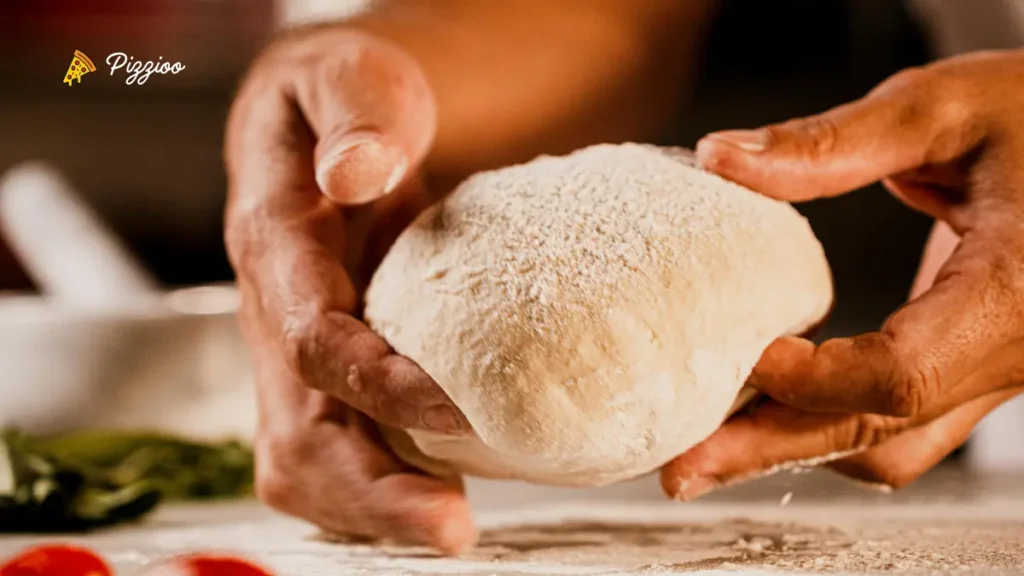
Soft pizza dough comes from the perfect balance of ingredients, mixing, proofing, and baking techniques. Even small changes in the dough recipe can affect the final texture of the crust.
Understanding these factors helps you create pizza dough that is soft, airy, fluffy, and easy to chew.
- Proper Hydration: Higher water content keeps the dough soft and moist. It helps create a lighter and airier texture after baking.
- Correct Flour Choice: The type of flour directly affects softness. All purpose flour often gives a softer bite, while bread flour creates more chewiness.
- Good Gluten Development: Proper kneading builds gluten structure. This gives perfect dough elasticity while still keeping it soft and flexible.
- Enough Proofing Time: Allowing the dough to rise properly traps air inside. This results in a fluffier and softer pizza base.
- Using Oil or Fat: Olive oil adds moisture and tenderness to the dough. It also helps prevent dryness during baking.
- Fresh Active Yeast: Active yeast ensures proper fermentation and a good rise. This contributes to a softer and more airy texture.
- Proper Dough Resting: Resting relaxes gluten strands. This makes the dough easier to stretch and results in a softer crust.
- Correct Baking Temperature: Balanced heat keeps the inside soft while lightly crisping the outside. Too much heat can dry out the dough.
- Avoiding Too Much Flour: Excess flour during kneading makes dough dry and hard. Slightly sticky dough usually gives better softness.
- Cold Fermentation: Slow fermentation in the fridge improves flavor and texture. It creates a more tender and soft pizza dough.
Best Ingredients for Softer Pizza Dough
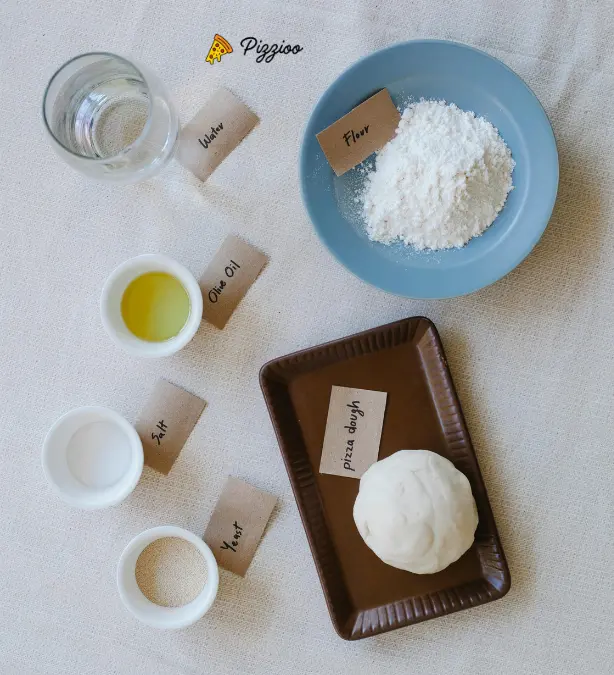
Using the right ingredients is the foundation of soft pizza dough. Each ingredient plays a specific role in building texture, moisture, and elasticity. When balanced correctly, they help create a light, fluffy, and tender crust that tastes like restaurant quality pizza.
Choosing the Right Flour
Flour controls the structure of your dough. All purpose flour usually creates a softer texture, while bread flour adds more chewiness. For extra softness, many bakers prefer blending flours or using lower protein options.
Using Warm Water Properly
Water activates gluten and yeast while controlling dough hydration. Warm water helps ingredients combine smoothly and supports better fermentation, leading to a softer dough.
Adding Olive Oil or Butter
Fat is essential for softness. Olive oil or butter coats the flour proteins and locks in moisture, making the dough more tender and less dry after baking.
Sugar and Honey for Better Texture
A small amount of sugar or honey feeds the yeast and improves browning. It also helps retain moisture, contributing to a softer bite.
Salt Balance in Pizza Dough
Salt strengthens gluten and improves flavor. The right balance is important because too much salt can tighten the dough and reduce softness.
How to Knead Pizza Dough Properly
Kneading is one of the most important steps in making soft pizza dough. It develops gluten, builds structure, and creates the elasticity needed for a light and fluffy crust. Proper kneading technique can completely change the final texture of your pizza.
- Hand Kneading Method: Use the heel of your hand to push the dough forward, then fold it back. Repeat this motion to build smooth and elastic dough without overworking it.
- Using a Stand Mixer: A stand mixer with a dough hook saves time and ensures even kneading. Mix at low to medium speed until the dough becomes smooth and stretchy.
- How Long Should You Knead Dough: Knead for about 8 to 12 minutes by hand or 5 to 7 minutes using a mixer. The dough should feel soft, elastic, and slightly tacky.
- Signs the Dough Is Fully Kneaded: Properly kneaded dough becomes smooth, stretchy, and passes the windowpane test. It should stretch without tearing easily.
- Avoid Overkneading: Overkneading can make the dough tough and hard to stretch. Stop once the dough is elastic and holds its shape well.
Hydration Secrets for Soft Pizza Dough
Hydration is one of the most important secrets behind soft pizza dough. The amount of water in your dough directly affects its softness, elasticity, and final texture. Higher hydration usually leads to a lighter, airier crust, while lower hydration creates a denser bite.
| Hydration Level | Dough Texture | Result in Pizza |
|---|---|---|
| Low hydration (50 to 55 percent) | Firm and stiff dough | Dense and chewy crust with less softness |
| Medium hydration (56 to 65 percent) | Balanced dough texture | Soft crust with good structure and slight chew |
| High hydration (66 to 75 percent) | Wet and sticky dough | Very soft, airy, and light crust with open texture |
| Very high hydration (75 percent plus) | Extremely loose dough | Ultra soft and fluffy crust but harder to handle |
Common Reasons Pizza Dough Becomes Hard
Pizza dough becomes hard when something goes wrong in the balance of ingredients, technique, or baking process. Even small mistakes can lead to a dry, dense, or tough crust instead of a soft and fluffy one.
Understanding these common issues helps you fix and prevent hard pizza dough.
- Using Too Much Flour: Adding excess flour during kneading or shaping dries out the dough. This reduces moisture and makes the final crust hard and dense.
- Not Enough Water: Low hydration prevents proper gluten development. The dough becomes tight, dry, and loses softness after baking.
- Overbaking the Pizza: Leaving pizza in the oven too long removes moisture from the dough. This results in a dry and hard crust.
- Incorrect Oven Temperature: Very low heat can dry the dough slowly instead of cooking it properly. This often leads to a tough texture instead of a soft crust.
- Dough Not Rested Enough: Skipping resting time keeps gluten tight. Tight gluten makes the dough harder to stretch and results in a dense bite.
- Old or Inactive Yeast: Weak yeast cannot properly ferment the dough. This leads to poor rise and a harder, heavier crust.
How to Make Pizza Dough Soft and Fluffy
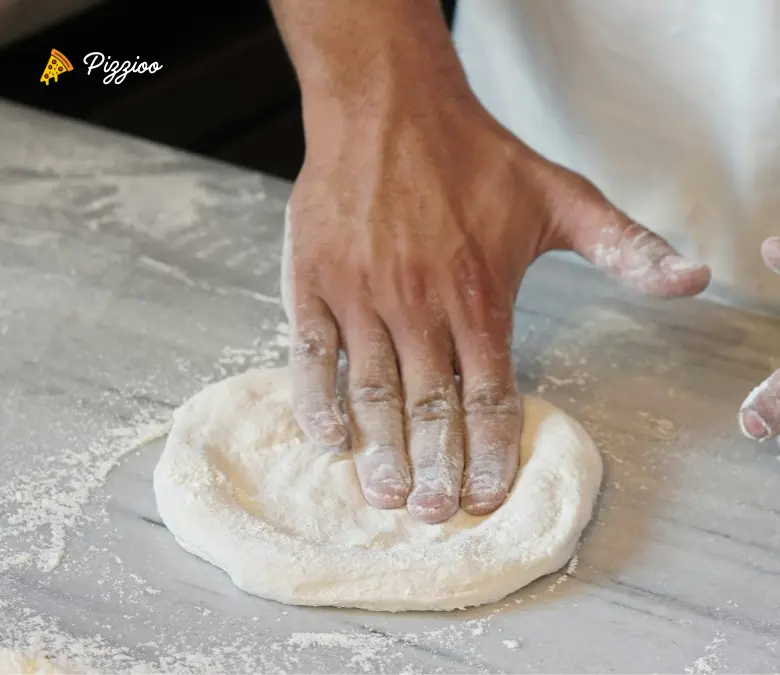
Making pizza dough soft and fluffy requires the right balance of ingredients, moisture, and careful handling throughout the process. When done correctly, the dough traps enough air, retains moisture, and develops a tender structure that stays soft even after baking.
These methods help elevate homemade pizza to a restaurant style quality.
Using Milk Instead of Water
Milk is a powerful ingredient for softer dough because it adds natural fat, protein, and sugar. These elements help tenderize the dough and create a richer texture.
It also improves browning during baking, giving the crust a golden color while keeping the inside soft and moist. Replacing part or all of the water with milk can noticeably improve softness.
Adding Yogurt to Dough
Yogurt helps soften pizza dough by adding moisture and mild acidity. The acidity weakens tight gluten bonds, making the dough easier to stretch and more tender after baking.
It also contributes to a slight tang in flavor, which enhances the overall taste. Even a small amount of yogurt can make the dough more pliable and fluffy.
Tangzhong Method for Extra Softness
The tangzhong method involves cooking flour with water or milk to form a thick paste before adding it to the dough. This process allows the flour to absorb and retain more moisture.
As a result, the dough stays softer for longer and resists drying out during baking. It is especially useful for achieving an extra fluffy and pillowy pizza crust.
Using Bread Improvers or Dough Conditioners
Bread improvers and dough conditioners enhance the dough structure while maintaining softness. They help strengthen gluten so the dough rises better, yet keep it tender and elastic at the same time.
These additives are commonly used in bakeries for consistent results, especially when working with homemade dough that needs extra stability and softness.
Sings of Soft Pizza Dough
Soft pizza dough has a few clear signs that show you are on the right track. When the dough is properly hydrated, kneaded, and rested, it becomes easy to handle and bakes into a light and fluffy crust.
Knowing these signs helps you understand when your dough is ready for the perfect pizza.
- Smooth and even surface with no rough cracks
- Soft and slightly tacky texture when touched
- Easily stretches without tearing
- Feels light and airy instead of heavy or dense
- Slowly springs back when pressed with a finger
- Elastic enough to pass the windowpane test
- Slightly puffy appearance after proofing
- Noticeable increase in size during fermentation
- Soft bounce when you gently poke the dough
- Easy to shape without breaking or shrinking
Best Resting and Fermentation Techniques
Resting and fermentation are key steps in creating soft pizza dough. These processes allow gluten to relax and yeast to develop air pockets inside the dough. When done properly, they improve texture, flavor, and overall softness of the final crust.
- First Rise vs Second Rise: The first rise builds the dough’s structure, while the second rise improves softness and airiness. Both stages are important for a light and fluffy texture.
- Best Temperature for Proofing: Warm temperatures help yeast activate faster, while cooler temperatures slow fermentation for better flavor. A controlled environment leads to softer dough.
- How Long Should Pizza Dough Rise: Dough should rise until it doubles in size. Depending on conditions, this can take 1 to 2 hours at room temperature or longer in cooler settings.
- Cold Fermentation for Better Texture: Refrigerating dough for 24 to 72 hours improves gluten development. This slow process creates a softer, more flavorful crust.
- Avoiding Overproofing: Overproofed dough can collapse and become weak. Watching the dough carefully ensures it stays soft but still holds structure.
How to Store Pizza Dough Properly
Storing pizza dough properly is important if you want to keep it soft, fresh, and easy to use later. The way you store it affects fermentation, moisture, and texture. With the right storage method, you can maintain dough quality for hours or even days without losing softness.
Refrigerating Pizza Dough
Refrigeration is one of the best ways to store pizza dough for short to medium term use. Place the dough in a lightly oiled container or bowl and cover it tightly to prevent drying.
Keep it in the fridge where slow fermentation continues, helping the dough develop better flavor and softness. Before using, allow the dough to come back to room temperature so it becomes easier to stretch and shape.
Freezing Pizza Dough
Freezing is ideal for long term storage. Divide the dough into portions, lightly coat with oil, and wrap it tightly in plastic wrap before placing it in a freezer bag.
When needed, thaw it in the refrigerator overnight and then let it rest at room temperature. This method helps preserve the dough’s structure while maintaining reasonable softness after defrosting.
Box Storage Method
The box storage method is commonly used in pizzerias for handling multiple dough balls. Place each dough ball inside a food grade plastic or dough proofing box with enough space to allow expansion.
A standard box size of around 12 by 18 inches works well for storing several medium sized dough balls without them sticking together. Lightly oil the inside of the box and cover it with a lid to maintain moisture and prevent drying.
Room Temperature Short Term Storage
For same day use, dough can be stored at room temperature for a few hours. Keep it covered in a bowl or container to avoid air exposure. This method is useful when you plan to bake pizza within the same day and want the dough to stay soft and relaxed.
Expert Tips for Restaurant-Style Soft Pizza Dough
Restaurant style soft pizza dough comes from precision, patience, and a few professional techniques that improve texture and consistency. These expert tips help you achieve a dough that is light, airy, and soft just like what you get in high quality pizzerias.
Using Preferments Like Poolish or Biga
Preferments are pre fermented mixtures of flour, water, and yeast that develop flavor and improve dough structure. Poolish creates a wet and airy base, while biga produces a slightly firmer dough. Both methods enhance softness and give the dough a better rise with improved texture.
Measuring Ingredients by Weight
Professional bakers always use a kitchen scale instead of cups. Accurate measurements ensure the correct hydration level and balanced dough structure. Even small changes in flour or water can affect softness, so weight based measurement gives consistent results every time.
Steam Baking Techniques
Steam helps keep the dough moist during the initial baking stage. In professional ovens, steam prevents the crust from drying too quickly. At home, placing a tray of water in the oven or lightly misting can help create a softer crust with better oven spring.
Dough Balling Tips
Properly shaped dough balls help maintain internal gas structure. After dividing the dough, tuck the edges underneath to create surface tension. This helps the dough rise evenly and stay soft while fermenting, resulting in a lighter and more elastic crust.
FAQs and Answers
Why is my pizza dough not soft?
Pizza dough often turns hard when there is too much flour, not enough water, or insufficient resting time. Overbaking and using weak yeast can also make the dough dense instead of soft.
What is the secret to soft pizza dough?
The main secret is proper hydration, enough fermentation time, and balanced kneading. Adding a small amount of oil, perfect amount of dough, and allowing slow proofing also helps create a softer texture.
Does oil make pizza dough softer?
Yes, oil helps soften pizza dough by coating the flour proteins and locking in moisture. It also prevents the crust from drying out during baking.
How long should pizza dough rest for softness?
For best results, pizza dough should rest at least 1 to 2 hours at room temperature or 24 to 72 hours in the refrigerator for cold fermentation.
Can I make pizza dough soft without yeast?
Yes, but the texture will be different. Yeast helps create airiness and softness. Without yeast, the dough will be more like flatbread and less fluffy.
Why is my pizza dough tough after baking?
Tough dough usually results from overkneading, low hydration, or overbaking. High oven heat for too long can also remove moisture and harden the crust.
Does kneading affect pizza dough softness?
Yes, proper kneading develops gluten which gives structure and elasticity. However, overkneading can make the dough tight and reduce softness.