What Makes a Pizza Oven Different? Key Insights
Many home cooks wonder what makes a pizza oven different from a standard kitchen appliance. The answer lies in temperature, design, and the ability to recreate restaurant quality results. This guide explores all the key differences, from fuel type to flavor impact, helping you choose the right oven for your needs.
Unlike a conventional oven, a dedicated pizza oven reaches extreme heat levels in a fraction of the time. This heat transforms dough, sauce, and cheese into a perfectly charred, bubbly pie in minutes. Let’s dive into the details of what sets these specialized ovens apart.
Understanding the Purpose of a Pizza Oven
SCORPIO Pizza Oven – Dual Fuel Wood & Propane
Check PriceA pizza oven is purpose built to generate and sustain extreme temperatures, often exceeding 700 degrees Fahrenheit. This intense heat is crucial for achieving the characteristic crispness and char on artisan pizzas. Unlike a home oven that slowly heats a large cavity, a pizza oven focuses energy into a compact, insulated chamber.
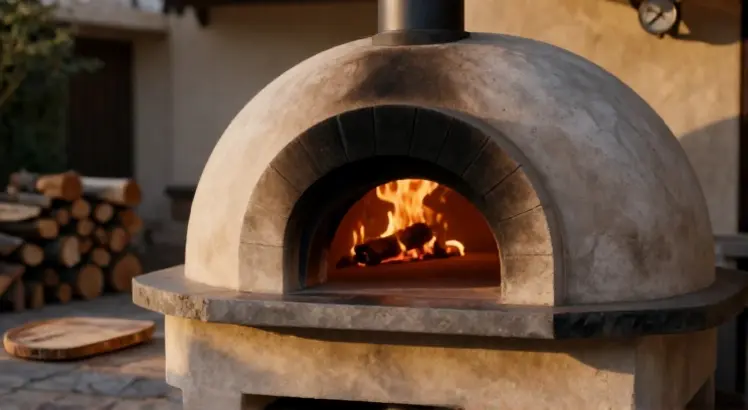
The dome shaped interior reflects heat downward onto the pizza, cooking the top and bottom simultaneously. This rapid, balanced baking prevents the dough from drying out while creating the sought after leopard spotted crust. A dedicated pizza oven ensures that each pie is finished in just a couple of minutes.
Beyond pizza, these ovens can also bake bread, roast vegetables, and sear meats with remarkable results. Their versatility makes them a valuable addition to outdoor kitchens and culinary experiments. Some enthusiasts even use them for slow cooking or smoking, proving their multifunctional design.
How Pizza Ovens Differ from Conventional Ovens
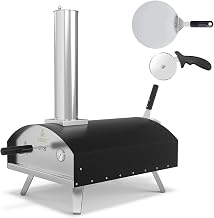
Stoke 16 Inch Outdoor Pizza Oven
Check PriceConventional ovens rely on electric or gas elements to heat the surrounding air, which then slowly transfers energy to the food. This indirect method often yields a soft, less defined crust. Pizza ovens, on the other hand, use direct contact with a hot stone or steel deck, delivering immediate, intense heat to the dough.
Another major difference is heat retention and recovery. According to the comprehensive entry on Wikipedia, traditional pizza ovens use thick insulating layers to maintain stable temperatures even when the door is opened. This consistency allows for back to back baking without the long reheating pauses typical of home ovens.
What Makes Wood Fired Pizza Ovens Unique?
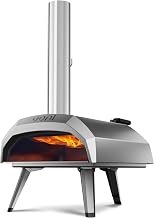
Ooni Karu 12 Multi-fuel Outdoor Portable Pizza Oven
Check PriceWood fired pizza ovens burn real wood to generate live flames and natural smoke, infusing the pizza with a rustic, smoky aroma that gas or electric units cannot replicate. The temperatures inside often climb above 800 degrees Fahrenheit, allowing true Neapolitan pizza to cook in just 60 to 90 seconds. This combination of speed and wood smoke defines the authentic Italian experience.
Managing a wood fire requires some skill, as you must add fuel and rotate the pizza for even charring. The choice of wood, such as oak or cherry, also subtly influences the flavor profile. The cooking floor is typically made of firebrick, which absorbs and radiates heat efficiently to create a perfectly crisp base.
The Distinct Character of Gas Pizza Ovens
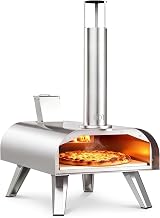
BIG HORN 12″ Outdoor Pizza Oven
Check PriceGas pizza ovens offer a clean and convenient alternative to wood. They heat up quickly, often reaching ideal baking temperatures in 10 to 15 minutes, and provide consistent, adjustable flames. This makes them perfect for beginners or anyone seeking a straightforward outdoor cooking experience.
While gas does not impart the smoky notes of a live fire, it excels at producing evenly charred crusts through sustained high heat. Many models are designed for portability, running on propane tanks for tailgating or backyard parties. The simplicity of turning a knob and monitoring a thermostat appeals to modern pizza enthusiasts.
Electric Pizza Ovens and Their Modern Appeal
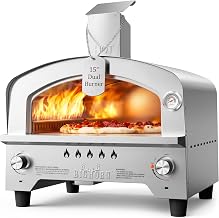
BIG HORN Gas Pizza Oven, Portable Propane
Check PriceElectric pizza ovens are gaining traction as a viable indoor option. They use high wattage elements to reach temperatures between 500 and 700 degrees Fahrenheit, often enough to bake a respectable pie. Their compact size and lack of open flame make them suitable for apartment kitchens or small patios.
Some advanced electric models feature dual heating elements that independently crisp the bottom and top of the pizza. While they may not reach the extreme heat of wood or gas, they provide consistent, repeatable results with minimal supervision. For urban dwellers, an electric pizza oven can be a game changer.
Many electric models also include integrated timers and automatic shutoff features for safety. They consume less fuel than wood or gas while still reaching solid baking temperatures. This makes them an economical choice for regular pizza nights without compromising quality.
Dual Fuel and Multi Fuel Flexibility
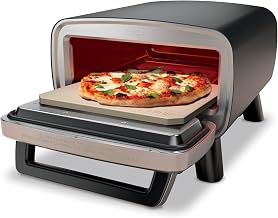
Ninja Artisan Pizza Oven, 12-in Pizza in 3-Min
Check PriceDual fuel ovens allow you to switch between wood and gas, offering both authentic flavor and modern convenience. This flexibility is ideal for cooks who want the smoky character of wood on the weekends and the quick start of gas on busy weeknights. You essentially get two ovens in one investment.
Some multi fuel designs also accept charcoal or wood pellets, broadening your cooking possibilities. These ovens often include separate compartments or interchangeable burners. The ability to adapt your fuel source means you can experiment with different pizza styles and always have a backup option if one fuel runs out.
Switching between fuels usually involves swapping a burner tray or adjusting a valve, a process that takes only moments. This simplicity lets you adapt to weather conditions or flavor preferences on the fly. It is the ultimate solution for cooks who refuse to compromise on taste or convenience.
Temperature Extremes: The Core Difference
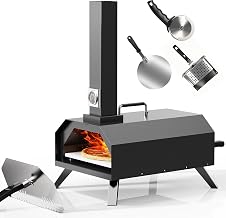
Outdoor Pizza Oven, Fold‑Leg Wood Pizza Oven
Check PriceThe defining feature of any pizza oven is its ability to surpass the temperature limits of a standard home oven. While a kitchen oven might peak at 500 degrees Fahrenheit, a specialty pizza oven easily reaches between 700 and 950 degrees. This extreme heat fundamentally changes how the dough bakes.
At such temperatures, the water in the dough instantly vaporizes, creating a puffy, airy crust with a charred exterior. To understand the optimal baking temperature for various styles, see our guide on best temperature for pizza. The short bake time also preserves the freshness of cheese and toppings, avoiding the overcooked, dried out results common in conventional ovens.
Heat Distribution and Cooking Surface Materials
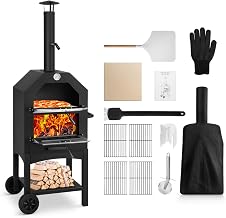
Outdoor Wood-Fired Pizza Oven Patio Pizza Maker
Check PriceUnlike a wire rack in a conventional oven, a pizza oven employs a thick stone, cordierite, or steel deck that stores massive thermal energy. This surface transfers heat directly into the dough upon contact, creating the crisp, slightly charred bottom crust that defines a great pizza. The rapid conduction is impossible to replicate with air circulation alone.
Additionally, the dome shaped roof reflects heat downward, simultaneously cooking the toppings and cheese. This balanced top and bottom heat eliminates the need for a broiler and prevents soggy centers. The combination of conductive and radiant energy ensures a perfectly cooked pizza in minutes.
Differences in Cooking Time and Efficiency
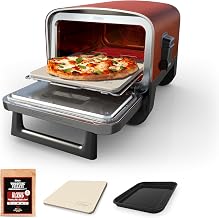
Ninja Woodfire Oven & Smoker, 8-in-1
Check PriceSpeed is a major advantage of a dedicated pizza oven. A Neapolitan style pizza can finish in as little as 60 seconds, compared to 8 to 12 minutes in a conventional oven. This dramatic difference stems from the high heat flux and direct conduction of the oven’s floor.
Preheating efficiency is also noteworthy. Many portable gas and electric pizza ovens reach 700 degrees Fahrenheit in under 10 minutes, while a home oven might take 30 minutes just to hit 500 degrees. This rapid readiness saves time and encourages spontaneous pizza making on busy evenings.
The Flavor Factor: Why a Pizza Oven Matters
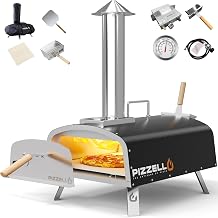
PIZZELLO 16″ Outdoor Pizza Oven
Check PriceThe intense heat of a pizza oven triggers the Maillard reaction and caramelization more effectively than a standard oven, enhancing the crust’s savoriness. Wood fired models add an extra layer of smoky complexity, while even gas and electric ovens produce a distinct char that many associate with authentic pizzeria quality.
The rapid bake also locks in moisture in fresh mozzarella and vegetables, preventing the dry, rubbery texture often found in slow baked pies. For further reading on pairing perfect cheeses with your oven, visit our article on best cheese for wood fired pizza. The result is a sensory experience, crisp, chewy crust and vibrant toppings, that justifies the investment.
Pizza Oven Styles: Neapolitan vs New York vs Others
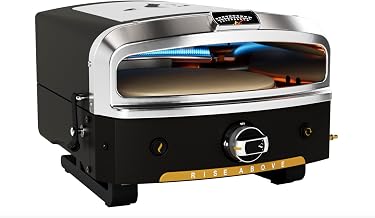
HALO Versa 16 Pizza Oven
Check PriceDifferent pizza styles require different oven characteristics. Neapolitan pizza demands ultra high heat, around 900 degrees Fahrenheit, and a fast bake to achieve its soft, puffy cornicione. Wood fired or powerful gas ovens are the best match for this delicate, minimalist style.
New York style pizza benefits from slightly lower temperatures, typically 600 to 700 degrees, and a longer bake time to develop a crispier, foldable slice. Electric or gas ovens with a well seasoned stone deck excel here. Other styles like Detroit or Sicilian also adapt well depending on the oven’s heat distribution and floor thickness.
Maintenance, Durability, and Cleaning Considerations

11 Inch Chimney-Free Pizza Oven Outdoor
Check PricePizza ovens require specific upkeep to maintain peak performance. Wood fired models need regular ash removal and occasional chimney sweeping to prevent soot buildup. Gas and electric units may require burner cleaning or stone seasoning, but overall, daily maintenance is minimal.
Durability varies by construction quality, stainless steel, powder coated exteriors, and thick insulation all contribute to longevity. Outdoor ovens should be covered when not in use to protect against weather. Cleaning the cooking surface often involves simply scraping off debris and running the oven at high heat to burn off residue.
Frequently Asked Questions

Ooni Koda 16 Propane Gas Pizza Oven
Check PriceWhat temperature is ideal for a pizza oven?
Most pizza styles bake best between 650 and 900 degrees Fahrenheit. Neapolitan requires the hottest environment, while New York and pan pizzas do well around 600 to 700 degrees. Always consult your oven’s manual to find its optimal range.
Can I use a pizza oven indoors?
It depends on the model. Electric countertop ovens are designed for indoor use with proper ventilation. Wood and gas ovens, however, are strictly for outdoor use unless you have a professionally installed commercial ventilation system. Always check the manufacturer’s safety recommendations before using any oven indoors.
Is a pizza oven worth the cost?
For pizza lovers, the upgrade is often well justified. A dedicated pizza oven produces results that home ovens simply cannot match, from charred crusts to perfectly melted cheese. It also opens up creative possibilities for breads, roasted vegetables, and meats. Consider how frequently you cook pizza to gauge the value.
What is the best fuel type for beginners?
Gas is widely recommended for its ease of use and consistent temperature control. It eliminates the learning curve of managing a wood fire and speeds up the preheating process. Many beginners eventually graduate to dual fuel ovens once they become comfortable with dough and timing.
How do I clean a pizza oven?
Cleaning is generally straightforward. After baking, let the oven cool slightly, then scrape any burnt flour or cheese from the stone with a brush. For deep cleans, run the oven at maximum temperature for 30 minutes to burn away any stuck-on food, then brush out the ash. Avoid using water or detergents, as they can damage the porous stone.
How long does a pizza oven last?
A well built pizza oven can last many years, even decades, with proper care. Stainless steel and thick refractory materials resist rust and thermal shock. Portable units may experience wear on stones and burners, but these components are often replaceable. Storing your oven under a cover and avoiding extreme thermal cycling will maximize its lifespan.
Now that you understand what makes a pizza oven different, you can see why it is a must have tool for enthusiasts. The superior heat, specialized materials, and rapid baking times transform simple ingredients into restaurant quality pizzas.
Whether you opt for wood, gas, electric, or a versatile dual fuel model, the key is aligning the oven’s features with your cooking style and space. Explore the recommended products throughout this guide to find the perfect pizza oven for your home.