Can You Freeze Pizza Dough? Long Lasting Fresh Dough Tips
Yes, you can absolutely freeze pizza dough and it is one of the best ways to save time while keeping homemade pizza fresh and delicious.
Pizza dough freezes surprisingly well when stored correctly. The yeast stays active, the texture remains soft, and the flavor can even improve after a slow thaw. That is why many home cooks, pizzerias, and pizza lovers freeze extra dough for future pizza nights.
Whether you made too much dough, want to meal prep for the week, or simply love having ready-to-bake pizza dough in the freezer, knowing the right freezing method makes a huge difference. A properly frozen dough ball can rise beautifully, stretch easily, and bake into a crispy and airy crust that tastes almost as good as fresh dough.
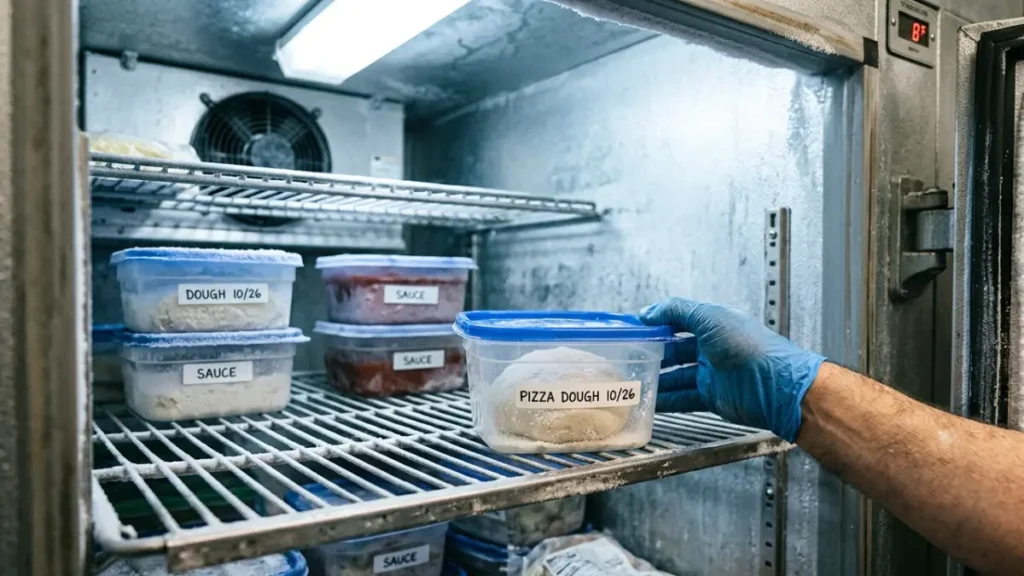
In this guide, you will learn exactly how to freeze pizza dough, how long it lasts, the best thawing methods, common mistakes to avoid, and expert tips to keep your crust light, chewy, and full of flavor.
From homemade dough to store-bought options, we will cover everything you need to know before putting pizza dough in the freezer.
Why People Freeze Pizza Dough?
Freezing pizza dough has become a popular kitchen trick for both home cooks and pizza experts. It gives people the freedom to enjoy fresh homemade pizza without starting from scratch every single time.
Since pizza dough takes time to rise and develop flavor, freezing helps save effort while keeping dough ready whenever cravings hit.
- Saves Time on Busy Days: Making pizza dough from scratch can take several hours because of mixing, kneading, and proofing. Freezing extra dough means you already have a ready-to-use base waiting in the freezer for quick homemade pizza nights.
- Makes Meal Prep Easier: Many people prepare multiple dough balls at once and freeze them for later use. This makes weekly meal planning much simpler because the hardest part of pizza making is already done.
- Reduces Food Waste: Extra pizza dough often goes unused if it sits too long in the refrigerator. Freezing extends its shelf life and prevents perfectly good dough from being thrown away.
- Keeps Homemade Pizza Always Available: Frozen pizza dough allows you to make fresh pizza whenever cravings appear. Instead of ordering takeout, you can thaw dough and create your favorite pizza at home.
- Improves Dough Flavor Over Time: Slow freezing and thawing can actually help dough develop deeper flavor. Many pizza lovers notice better texture and taste after dough has rested in cold storage.
- Perfect for Large Families or Parties: Preparing several dough balls ahead of time helps when hosting gatherings or pizza nights. You can freeze portions separately and thaw only what you need.
- Helps Beginners Practice Pizza Making: New pizza makers often feel intimidated by making fresh dough every time. Frozen dough removes pressure and gives them more confidence to experiment with stretching and baking.
- Saves Money Compared to Delivery Pizza: Homemade pizza is usually cheaper than ordering from restaurants. Keeping frozen dough at home makes it easier to avoid expensive delivery orders.
Best Pizza Dough Types for Freezing
Some pizza dough types freeze better than others. The best doughs usually have strong gluten structure, balanced hydration, and enough oil or fermentation to maintain texture after thawing. Choosing the right dough helps you get a soft, stretchy, and flavorful crust even after weeks in the freezer.
Homemade Pizza Dough
Homemade pizza dough is one of the most popular choices for freezing because it gives you full control over ingredients and freshness. A basic dough made with flour, yeast, water, salt, and olive oil usually freezes very well and keeps its soft texture after thawing.
Many people freeze homemade dough after the first rise so it is ready for quick pizza nights later. Once thawed properly, the dough can still rise, stretch, and bake into a crispy and chewy crust just like fresh dough.
Store-Bought Pizza Dough
Store-bought pizza dough is another common option for freezing. It is convenient for busy households and works well when you want homemade-style pizza without making dough from scratch.
Most grocery store doughs are already designed to handle cold storage, so freezing them is simple. Just wrap the dough tightly or place it in an airtight freezer bag to prevent freezer burn and dryness.
Yeast Pizza Dough
Classic yeast pizza dough freezes extremely well because yeast stays alive in freezing temperatures. After thawing, the yeast becomes active again and helps the dough rise properly during resting and baking.
This type of dough creates a light and airy crust with great flavor and texture. Both instant yeast and active dry yeast doughs are commonly frozen by home cooks and professional pizza makers.
Sourdough Pizza Dough
Sourdough pizza dough is loved for its rich flavor and chewy texture, and it also performs very well in the freezer. The long fermentation process gives the dough stronger structure and deeper taste even after freezing.
After thawing, sourdough dough often develops an even better flavor profile. It may need a little extra resting time before baking, but the final crust usually turns out crispy, airy, and full of character.
When Should You Freeze Pizza Dough?
Timing plays a big role when freezing pizza dough. Freezing it at the right stage helps preserve the dough’s texture, flavor, and rising ability. If dough is frozen too early or too late, it can become dense, weak, or difficult to stretch after thawing.
The good news is that pizza dough can be frozen at multiple stages depending on your recipe and baking plans.
- After the First Rise Is Usually Best: Most pizza experts recommend freezing dough after the first rise or bulk fermentation. At this stage, the yeast is active and the gluten structure is already developed, which helps the dough recover better after thawing.
- Before the Dough Overproofs: Dough should be frozen before it becomes overly puffy or starts collapsing. Overproofed dough can lose strength in the freezer and may not rise properly later.
- Right After Portioning Into Dough Balls: Freezing dough in individual portions makes thawing easier and more convenient. Many people divide the dough into pizza-sized balls before freezing so they only thaw what they need.
- When You Know You Will Not Use It Soon: If you realize the dough will sit unused in the refrigerator for too long, freezing it early helps maintain freshness and prevents waste.
- After Cold Fermentation for Better Flavor: Some pizza makers refrigerate dough for 24 to 72 hours before freezing. This slow fermentation creates deeper flavor and can improve crust texture after baking.
- Before the Final Rise: Freezing before the final proof gives the dough more strength during thawing. After removal from the freezer, the dough can finish rising naturally before baking.
- As Soon as Fresh Dough Is Prepared: Freshly made dough can also be frozen shortly after kneading if needed. This method works well for quick meal prep, although the flavor may not be as developed compared to fermented dough.
How to Freeze Pizza Dough Properly?
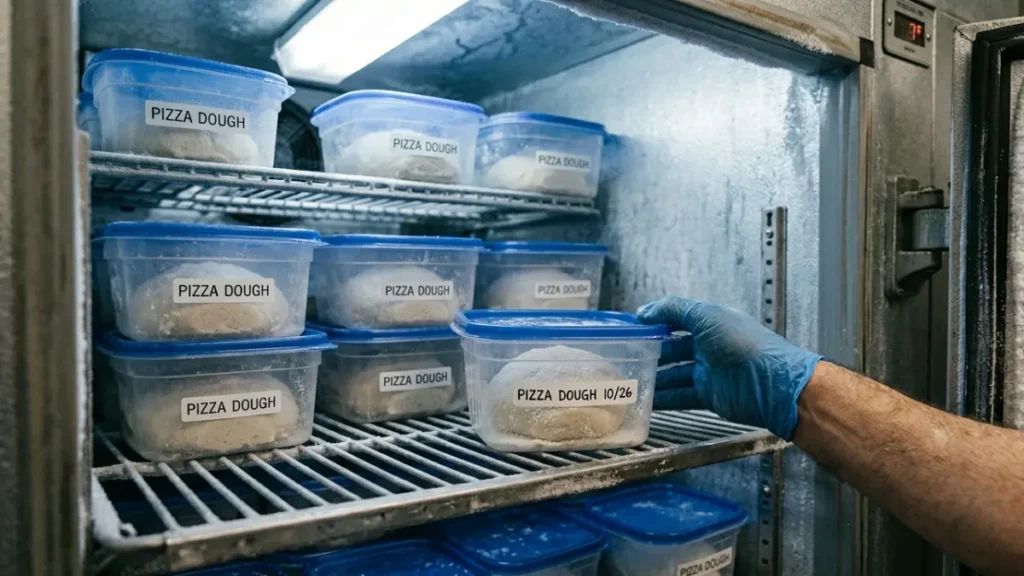
Freezing pizza dough the right way helps maintain its flavor, texture, and rising ability after thawing. A poorly wrapped dough can dry out, develop freezer burn, or lose its elasticity, which makes it harder to stretch and bake properly.
Fortunately, freezing pizza dough is simple when you follow a few important steps. Proper storage keeps the dough fresh and ready for homemade pizza anytime.
Let the Dough Complete the First Rise
The best time to freeze pizza dough is usually after the first rise. This gives the yeast enough time to activate and helps the dough build structure before entering the freezer.
Once the dough has doubled in size, gently punch it down to release excess gas. This prevents the dough from expanding too much while frozen and keeps the texture more balanced after thawing.
Divide the Dough Into Individual Portions
Before freezing, divide the dough into separate pizza-sized portions. Smaller dough balls freeze more evenly and thaw much faster later.
Portioning also makes meal prep easier because you only need to thaw the amount required for one pizza night instead of defrosting the entire batch.
Shape the Dough Into Smooth Balls
After dividing the dough, shape each portion into a smooth and tight dough ball. This helps protect the outer layer from drying out during freezing.
A smooth dough surface also makes the dough easier to stretch after thawing and improves the final pizza crust texture.
Lightly Coat the Dough With Oil
A thin layer of olive oil helps prevent the dough from drying out in the freezer. The oil creates a protective barrier that keeps moisture inside the dough.
Lightly oiling the surface also reduces sticking when wrapping the dough in plastic wrap or placing it inside freezer bags.
Wrap the Dough Tightly
Proper wrapping is one of the most important steps in freezing pizza dough successfully. Air exposure can quickly cause freezer burn and damage the dough texture.
Wrap each dough ball tightly in plastic wrap or place it in an airtight freezer bag with as much air removed as possible. Some people use double wrapping for extra protection during long-term freezing.
Use Airtight Containers or Freezer Bags
Freezer-safe bags and airtight containers help preserve freshness and prevent odors from entering the dough. Strong freezer bags are often preferred because they save space and seal tightly.
If using containers, leave a little room inside because the dough may slightly expand during freezing.
Label the Dough Before Freezing
Always write the freezing date on the bag or container before placing the dough in the freezer. This helps track freshness and prevents dough from being forgotten for too long.
Most pizza dough stays in its best condition for up to three months when stored properly.
Freeze the Dough Quickly
Place the dough in the coldest part of the freezer to freeze it as quickly as possible. Faster freezing helps protect the dough structure and reduces large ice crystal formation.
Large ice crystals can damage gluten and affect the dough’s softness after thawing.
Keep the Freezer Temperature Stable
Pizza dough freezes best at a consistent freezer temperature. Frequent temperature changes can partially thaw and refreeze the dough, which weakens texture and yeast activity.
Avoid placing the dough near the freezer door where temperature fluctuations happen more often.
How Long Can You Freeze Pizza Dough?
Pizza dough can stay frozen for quite a long time if it is stored properly in airtight packaging. In most cases, frozen pizza dough keeps its best quality for up to 3 months, although it may still be safe to use beyond that period.
The exact storage time depends on the dough ingredients, freezer temperature, and how well the dough is wrapped before freezing.
| Pizza Dough Type | Recommended Freezing Time | Maximum Safe Time | Quality After Thawing |
|---|---|---|---|
| Homemade Pizza Dough | 1 to 3 months | Up to 4 months | Soft texture with strong flavor |
| Store-Bought Pizza Dough | 1 to 2 months | Up to 3 months | Usually remains stable and easy to stretch |
| Yeast Pizza Dough | Up to 3 months | Around 4 months | Yeast stays active if wrapped properly |
| Sourdough Pizza Dough | 2 to 3 months | Up to 4 months | Maintains rich flavor and chewy texture |
| Whole Wheat Pizza Dough | 1 to 2 months | Around 3 months | Can become slightly denser over time |
| Gluten-Free Pizza Dough | 1 month | Up to 2 months | More delicate and may dry out faster |
| Thin Crust Pizza Dough | 2 to 3 months | Up to 4 months | Holds texture very well after thawing |
| Deep Dish Pizza Dough | 1 to 3 months | Around 4 months | Usually stays moist because of higher oil content |
How to Thaw Frozen Pizza Dough?
Thawing pizza dough correctly is just as important as freezing it properly. Good thawing allows the yeast to reactivate slowly, helps the gluten relax, and restores the dough’s soft and stretchy texture.
If dough is thawed too quickly or handled roughly, it can become sticky, dense, or difficult to shape. The best thawing methods keep the dough airy and ready for baking.
- Move the Dough to the Refrigerator First: The safest and most effective method is thawing pizza dough overnight in the refrigerator. Slow thawing protects the dough structure and gives the yeast time to wake up gradually.
- Keep the Dough Wrapped While Thawing: Leave the dough inside its freezer bag or container during the first stage of thawing. This prevents the surface from drying out and helps retain moisture.
- Allow 8 to 24 Hours for Refrigerator Thawing: Most pizza dough needs several hours to thaw fully in the fridge depending on the size of the dough ball. Larger dough portions may need a full day.
- Bring the Dough to Room Temperature Before Baking: After refrigerator thawing, let the dough sit at room temperature for about 30 minutes to 2 hours. This helps the gluten relax so the dough becomes easier to stretch.
- Use a Lightly Oiled Bowl During Resting: Place the dough in a lightly oiled bowl while it warms up. This prevents sticking and keeps the surface soft.
- Cover the Dough While Resting: Use plastic wrap, a clean towel, or a lid to cover the dough. Covered dough stays moist and avoids forming a dry outer skin.
- Look for Signs the Dough Is Ready: Properly thawed dough should feel soft, elastic, and slightly puffy. It should stretch easily without tearing or snapping back immediately.
How to Use Frozen Pizza Dough?
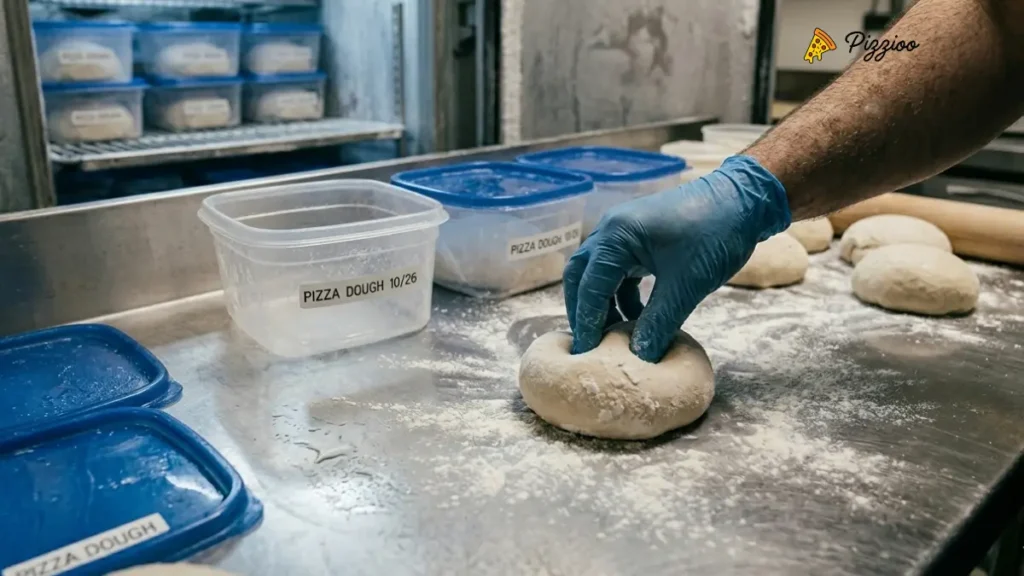
Frozen pizza dough can turn into a fresh and delicious homemade pizza if it is handled correctly after thawing. The key is giving the dough enough time to relax, rise slightly, and return to a workable texture before shaping and baking.
Once properly prepared, frozen dough can bake almost exactly like fresh dough.
- Thaw the Dough Completely: Move the frozen dough to the refrigerator and let it thaw slowly overnight. After that, allow it to sit at room temperature until soft and easy to handle.
- Let the Dough Rest Before Stretching: Resting helps relax the gluten so the dough stretches smoothly without shrinking back or tearing.
- Dust the Surface With Flour: Lightly flour your countertop, hands, and dough to prevent sticking while shaping the pizza base.
- Stretch or Roll the Dough Gently: Use your hands or a rolling pin to shape the dough into your preferred crust style without pressing out all the air.
- Preheat the Oven Properly: A very hot oven helps frozen dough bake into a crispy and airy crust. Preheating also improves texture and browning.
- Add Sauce, Cheese, and Toppings: Once shaped, top the dough with your favorite pizza ingredients without overloading the crust.
- Bake Until the Crust Turns Golden: Cook the pizza until the edges become crispy, golden brown, and fully cooked underneath.
- Avoid Refreezing Thawed Dough: Once pizza dough has thawed completely, it is best to use it right away instead of freezing it again.
Common Problems With Frozen Pizza Dough
Frozen pizza dough is usually very reliable, but small mistakes during freezing, thawing, or storage can affect the final result. Most problems come from moisture loss, weak yeast activity, or improper handling.
Knowing these issues helps you fix them early and still get a good pizza crust.
- Dough Does Not Rise After Thawing: This usually happens when the yeast becomes weak due to long freezing time or temperature fluctuations. Letting the dough rest longer at room temperature can sometimes help revive light rising.
- Dough Feels Too Sticky: Sticky dough often appears when it absorbs extra moisture during thawing. Lightly dust with flour and allow it to rest so the gluten can settle before shaping.
- Dough Is Too Dry or Cracked: This is a sign of freezer burn or poor wrapping. The dough may lose elasticity and become difficult to stretch smoothly.
- Dough Shrinks Back While Stretching: This happens when gluten is still tight and the dough has not rested enough after thawing. Let it sit longer at room temperature before shaping.
- Dough Has an Off or Sour Smell: A strong unpleasant smell may indicate over-fermentation or spoilage. This often occurs when dough is stored too long or thawed improperly.
- Ice Crystals Inside the Dough: Large ice crystals form when dough is frozen slowly or exposed to air. This can damage texture and make the dough less smooth after thawing.
- Uneven Texture After Baking: Some parts may be airy while others are dense if the dough was not frozen or thawed evenly. Proper portioning and airtight storage help prevent this.
- Weak Flavor Compared to Fresh Dough: Long freezer storage can slightly reduce flavor strength. Using dough within the recommended freezing time helps maintain better taste.
Expert Tips for Freezing Pizza Dough Successfully
Freezing pizza dough like a professional is all about protecting its structure, moisture, and yeast activity. Small details in preparation and storage can make a big difference in how the dough performs after thawing.
These expert tips help ensure your dough stays soft, elastic, and full of flavor every time you bake.
Freeze Dough at the Right Stage
The best results come from freezing dough after the first rise. At this stage, the gluten network is developed and the yeast is active, which helps the dough recover better after thawing. Avoid freezing dough that is overproofed or underdeveloped.
Use High Quality Ingredients
Good flour, fresh yeast, and quality olive oil improve freezing performance. Strong flour with higher protein content helps maintain structure, making the dough easier to stretch after it has been frozen.
Portion Dough Before Freezing
Divide the dough into single pizza portions before freezing. This ensures even freezing, faster thawing, and better convenience when you only need one pizza at a time.
Coat Lightly With Olive Oil
A thin layer of olive oil on the dough surface helps lock in moisture and prevents freezer burn. It also keeps the dough soft and easier to unwrap after freezing.
Wrap Tightly and Double Seal
Air is the biggest enemy of frozen dough. Wrap each dough ball tightly in plastic wrap and then place it inside a freezer-safe bag. Double sealing helps prevent dryness and odor absorption.
Remove Excess Air Before Freezing
Squeeze out as much air as possible from freezer bags before sealing. Less air means fewer ice crystals, which protects dough texture and elasticity.
Freeze Quickly at Low Temperature
Place dough in the coldest part of the freezer so it freezes fast. Quick freezing helps maintain structure and reduces damage to gluten and yeast cells.
Label Everything Clearly
Always mark the freezing date on each dough portion. This helps you use the dough within the ideal 1 to 3 month window for best quality.
FAQs and Answers
Does freezing pizza dough kill the yeast?
No, freezing does not kill yeast. It only slows down its activity. Once thawed, the yeast becomes active again and helps the dough rise normally.
How long does pizza dough last in the freezer?
Pizza dough can last up to 3 months in the freezer for best quality. It may still be safe after that, but texture and flavor can slowly decline.
Should pizza dough be frozen before or after rising?
It is best to freeze pizza dough after the first rise. This helps maintain structure and improves how the dough behaves after thawing.
Can you freeze pizza dough twice?
It is not recommended to refreeze pizza dough. Refreezing can damage the gluten structure and reduce yeast performance, leading to poor texture.
How do you know if frozen pizza dough is bad?
If the dough has a sour smell, gray color, freezer burn, or does not rise after thawing, it is likely no longer good to use.
Do you thaw pizza dough before baking?
Yes, pizza dough should always be thawed before baking. It needs time to soften, rise slightly, and become easy to stretch.
Can you bake pizza dough directly from frozen?
It is possible in some cases, but not recommended. Thawing gives better texture, better rise, and a more evenly baked crust.