How to Stretch Pizza Dough Like a Pro? (Step-by-Step Guide)
A great pizza starts with properly stretched dough. It is one of the most important skills in pizza making. The way you stretch pizza dough affects the crust texture, baking performance, and final appearance of the pizza.
Many beginners struggle with dough that tears, shrinks back, or becomes uneven. These problems can make it difficult to create a restaurant-quality pizza at home. The good news is that pizza dough stretching is easier once you understand the right techniques.
In this guide, you will learn how to stretch pizza dough step by step. We will cover the best stretching methods, common mistakes to avoid, and expert tips used by professional pizza makers. You will also discover how different dough types, flour choices, and pizza styles affect the stretching process.
What Is Pizza Dough Stretching?
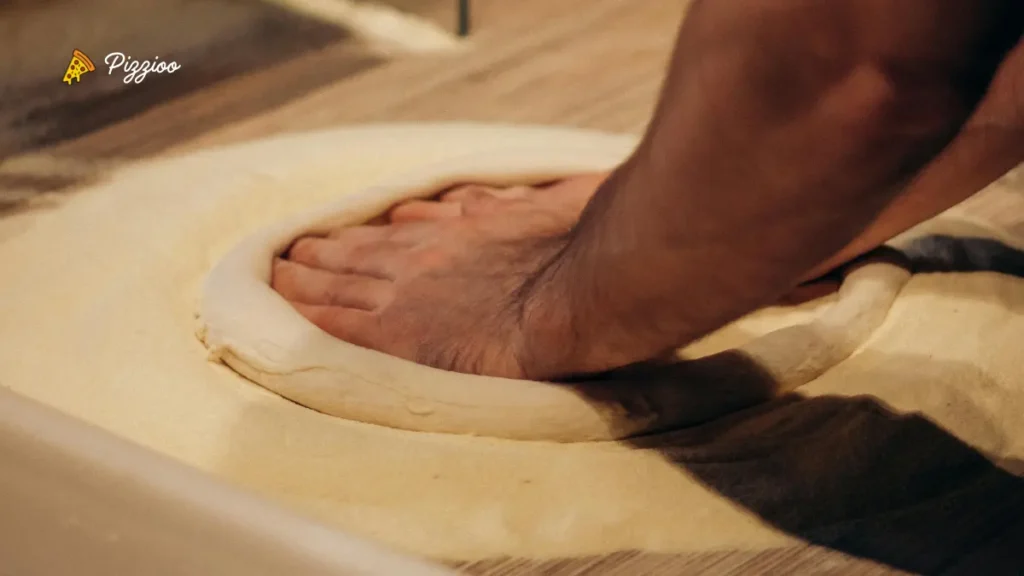
Pizza dough stretching is the process of shaping a dough ball into a flat pizza base before adding sauce, cheese, and toppings. It involves gently expanding the dough with your hands while preserving the air trapped inside. This air later creates the light and airy crust that makes pizza so enjoyable.
Unlike rolling dough with a rolling pin, stretching relies on controlled hand movements. The goal is to spread the dough evenly from the center toward the edges without crushing the gas bubbles formed during fermentation. Proper stretching helps create a pizza with a thin center and a slightly thicker crust around the edge.
The stretching process also allows the gluten network inside the dough to expand naturally. A well-developed gluten structure gives the dough strength and flexibility. This makes it easier to shape the pizza without tearing or creating weak spots.
Pizza dough stretching is an essential skill for both home cooks and professional pizza makers. Whether you are making Neapolitan pizza, New York-style pizza, or thin crust pizza, mastering the stretching technique helps ensure even baking, better texture, and a more attractive finished pizza.
Why Proper Stretching Matters for Pizza Quality
Proper pizza dough stretching has a direct impact on the quality of the finished pizza. Even if you use great ingredients and a perfect dough recipe, poor stretching can lead to uneven baking, a dense crust, and an unattractive shape.
Learning the correct stretching technique helps create a pizza that looks better, tastes better, and cooks more evenly.
- Creates an Even Pizza Base: Proper stretching distributes the dough evenly across the pizza. This helps prevent thick areas and overly thin spots.
- Promotes Uniform Baking: A consistently stretched dough cooks at the same rate across the surface. This reduces the risk of undercooked centers and burnt edges.
- Preserves Air Bubbles in the Dough: Gentle stretching keeps the fermentation gases trapped inside the dough. These air pockets create a light and airy crust.
- Produces a Better Crust Texture: Correct stretching helps form a crisp exterior and a soft interior. The result is a more enjoyable pizza crust.
- Reduces the Risk of Dough Tearing: Stretching the dough properly minimizes stress on the gluten structure. This makes the dough easier to handle and less likely to rip.
- Improves Pizza Appearance: Evenly stretched dough creates a round and professional-looking pizza. It also helps toppings stay distributed across the surface.
- Maintains the Desired Crust Edge: Leaving the outer edge untouched during stretching allows the crust to rise beautifully during baking.
Stretching vs Rolling Pizza Dough
Stretching and rolling pizza dough are two very different methods. Each one changes the texture and structure of the dough. The choice between them affects crust quality, airiness, and final taste.
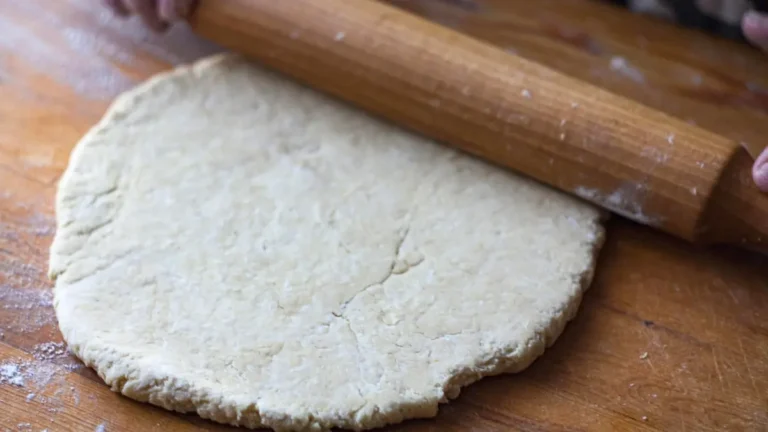
Most professional pizza makers prefer stretching because it preserves the natural structure of the dough. Rolling is faster but it often removes the air that creates a light crust.
| Feature | Stretching Pizza Dough | Rolling Pizza Dough |
|---|---|---|
| Method | Uses hands to gently expand dough | Uses rolling pin to flatten dough |
| Dough texture | Light and airy | Dense and compact |
| Air bubbles | Preserved inside dough | Mostly removed |
| Crust result | Soft inside with crispy edges | Flat and uniform crust |
| Skill level | Requires practice and control | Very easy for beginners |
| Shape control | Natural and slightly rustic | Perfectly even circle or rectangle |
| Risk of tearing | Lower when done correctly | Low but can overflatten dough |
| Flavor impact | Better fermentation retained | Slightly reduced dough flavor |
| Best for | Neapolitan and artisan pizza | Thin crust or quick homemade pizza |
| Professional use | Preferred by pizza chefs | Rarely used in pizzerias |
Understanding Pizza Dough Before Stretching
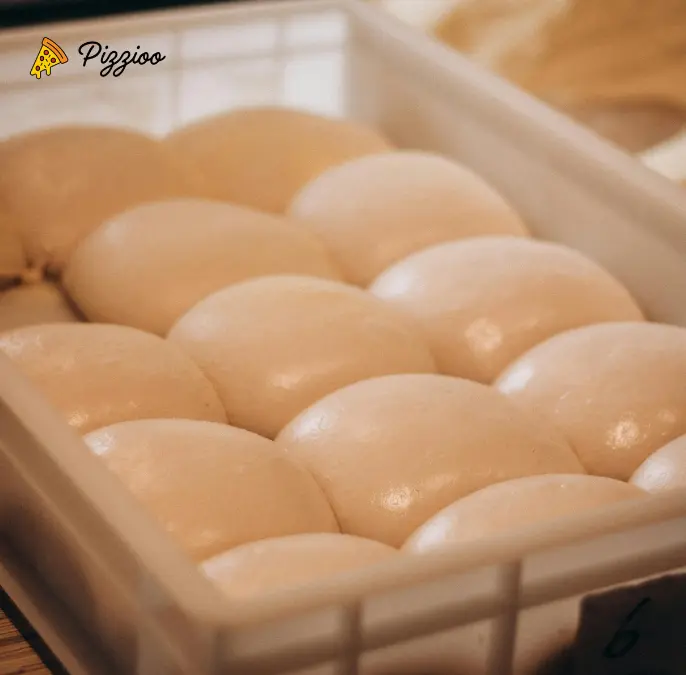
Before you stretch pizza dough, you need to understand how it behaves. Dough is not just flour and water. It is a living structure shaped by fermentation, gluten development, and time. When you understand these basics, stretching becomes easier and more predictable. Good stretching starts long before the dough hits your hands.
The Role of Gluten in Dough Stretching
Gluten is the protein network inside pizza dough. It gives the dough strength and elasticity. A well developed gluten structure allows the dough to stretch without tearing. If gluten is weak, the dough breaks easily. If it is too tight, the dough resists stretching.
Ideal Dough Hydration for Easy Stretching
Hydration means the amount of water in the dough. Higher hydration makes dough softer and more flexible. Lower hydration makes it stiff and harder to stretch. The right balance helps create smooth and easy stretching.
Best Dough Temperature for Stretching
Cold dough is tight and hard to stretch. Warm dough is relaxed and flexible. Room temperature dough is ideal because it allows the gluten to loosen naturally. This makes shaping much smoother.
How Long Dough Should Rest Before Stretching
Resting gives gluten time to relax. Without rest, the dough shrinks back when stretched. Proper resting time helps the dough hold its shape and expand evenly.
Signs Your Dough Is Ready to Stretch
The dough should feel soft and elastic. It should slowly spring back when pressed. It should not feel too sticky or too tight. These signs show it is ready for shaping.
Signs Your Dough Needs More Proofing
If the dough feels dense or hard, it is under proofed. If it tears easily, it may not have developed enough structure. Proper proofing improves both strength and flexibility.
Tools and Equipment Needed
Having the right tools makes pizza dough stretching much easier and more consistent. It reduces common mistakes like tearing, sticking, and uneven shaping.
Even simple equipment can improve your results a lot. With proper setup, you gain better control over the dough and the final pizza shape.
Pizza Dough Scraper
A dough scraper is one of the most useful tools in pizza making. It helps you lift dough cleanly from the bowl or counter without tearing it. It is also used to divide dough into equal portions for individual pizzas.
During preparation, it keeps your hands and surface clean. It also helps handle sticky dough without adding too much extra flour which can affect texture.
Pizza Peel
A pizza peel is essential for transferring pizza into the oven safely. Once the dough is stretched and topped, it sits on the peel before baking. A good peel helps you slide the pizza into the oven without losing its shape.
Wooden peels are better for preparing and launching. Metal peels are useful for turning or removing pizza during baking. Light flour or semolina on the peel prevents sticking.
Flour vs Semolina for Dusting
Dusting is important to stop dough from sticking during stretching and transfer. Flour is the most common choice and works well for basic handling. However too much flour can make the dough dry and tough.
Semolina is a better option for many pizza makers because it adds texture and reduces burning at high heat. A light even layer is always better than heavy dusting.
Pizza Stone or Steel
A pizza stone or steel helps replicate a professional oven at home. It stores high heat and transfers it directly to the dough. This creates a crisp base and better oven spring.
Steel heats faster and gives a stronger crust while stone provides a more balanced bake. Preheating is very important for both. Without proper heat the dough will not cook evenly.
Work Surface Requirements
Your work surface plays a big role in dough handling. A smooth and clean surface prevents tearing and sticking. Stainless steel marble or granite surfaces are ideal.
They stay cool and make stretching easier. Wooden surfaces can work but may require more flour. Always keep the surface dry and free from crumbs or oil for best results.
Preparing Pizza Dough for Stretching
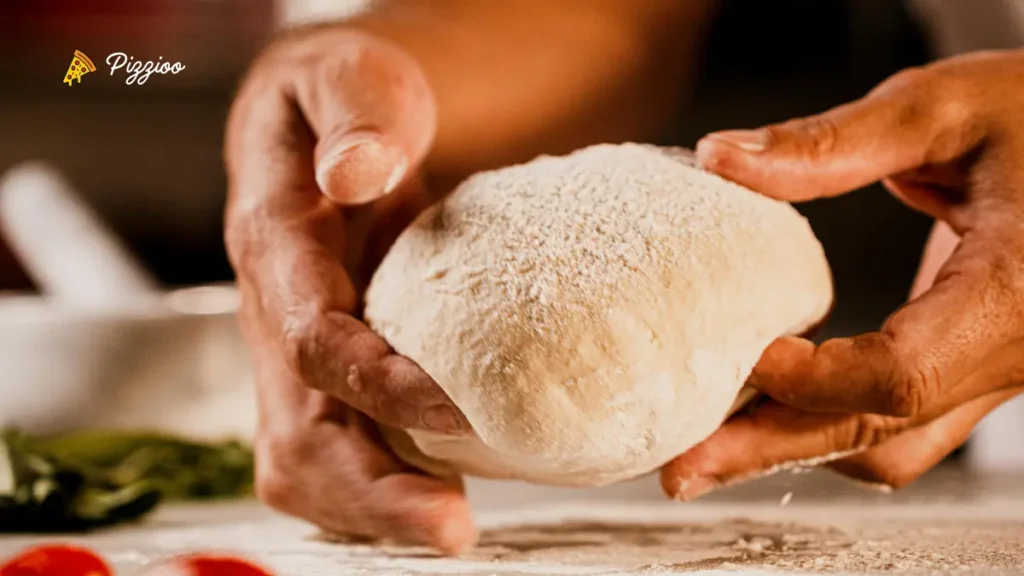
Preparing pizza dough properly is the real foundation of good stretching. If the dough is not ready, no technique will save it. Good preparation relaxes the gluten and improves elasticity. It also reduces tearing and shrinking during shaping.
This step is where most beginners make mistakes without even realizing it.
Bringing Refrigerated Dough to Room Temperature
Cold dough is tight and resistant. It must be warmed before stretching. Take it out of the fridge and let it rest at room temperature. This usually takes one to three hours depending on dough size. Warm dough becomes soft and easier to shape. Do not rush this step or the dough will keep shrinking back.
Removing Dough from the Container Correctly
Handle the dough gently when taking it out. Use a scraper or your hands with light flour. Avoid pulling or tearing it. Rough handling can damage gluten structure. Keep the dough ball intact to maintain air inside. This air helps create a light crust later.
Dusting the Dough Without Adding Too Much Flour
Light dusting prevents sticking during handling. Use only a small amount of flour on the surface and hands. Too much flour changes dough texture and makes it dry. Rotate the dough lightly in flour instead of coating heavily. Balance is important for smooth stretching.
Creating the Perfect Dough Ball Shape
A tight and smooth dough ball stretches more evenly. Shape it gently by tucking edges underneath. This creates surface tension on top. A well shaped ball holds gas inside better. It also helps the dough expand in a controlled way during stretching.
How to Stretch Pizza Dough Step-by-Step
Stretching pizza dough step by step is a skill that improves with practice. The key is to stay gentle and consistent. The dough should expand slowly without losing its air pockets. If you apply too much force, it can tear or become uneven. Follow each step carefully to get a smooth and professional pizza base.
Place Dough on a Lightly Floured Surface
Start by placing your dough ball on a clean surface. Add a small amount of flour to prevent sticking. Keep it light because too much flour can make the dough dry. Make sure the dough is at room temperature before you begin. Cold dough will resist stretching and spring back.
Press the Dough Gently in the Center
Use your fingertips to press the middle of the dough. Move in small circular motions. Do not press too hard. The goal is to spread the dough slowly while keeping structure intact. You will notice the dough starting to flatten into a disc.
Leave the Outer Edge Untouched
Always avoid pressing the outer rim of the dough. This edge will become your pizza crust. Keeping it untouched helps trap air inside. This creates a light and fluffy crust after baking. It also gives your pizza a nice raised border.
Form a Small Round Disc
As you press the center, the dough naturally expands into a round shape. Try to keep the circle even. Do not rush this stage. A balanced disc makes later stretching easier. Uneven shapes at this stage can lead to uneven pizza bases.
Use Fingertips to Expand the Dough
Continue working from the center toward the outer area. Use gentle fingertip pressure. Push slightly outward and rotate the dough as you go. This helps spread thickness evenly. Avoid creating thin spots or holes.
Lift the Dough Carefully
Once the dough is loosened, gently lift it with both hands. Support it underneath with your knuckles or fingertips. Be slow and careful. Sudden movements can stretch one side too much. The dough should feel soft and flexible at this stage.
Stretch Using Gravity
Hold the dough in the air and let gravity do part of the work. The weight of the dough will slowly stretch it downward. Rotate it while holding to maintain a circular shape. This method helps create an even base without overworking the dough.
Rotate the Dough Evenly
Keep rotating the dough as it stretches. This is very important for balance. If you do not rotate, one side may become thinner than the other. Slow and steady rotation ensures uniform thickness across the pizza base.
Achieve the Desired Pizza Size
Continue stretching until you reach your ideal pizza size. Most home pizzas are between 10 and 14 inches. Stop when the dough feels thin but still strong. The center should remain slightly thicker than the edges.
Transfer Dough to the Pizza Peel
Place the stretched dough carefully onto a floured pizza peel. Adjust the shape gently if needed. Make sure it slides easily and does not stick. Now your dough is ready for sauce, cheese, and toppings before baking.
Different Methods for Stretching Pizza Dough
There is more than one way to stretch pizza dough. Each method gives a different texture feel and level of control. Some are beginner friendly while others are used by professional pizza makers. Choosing the right method depends on your skill level and pizza style. Learning multiple techniques helps you handle any dough with confidence.
Hand Stretching Method
This is the most common method for home cooks. You press and shape the dough using your fingertips. It gives good control over thickness and shape. It is gentle on the dough and helps keep air bubbles intact. This method is ideal for beginners who want steady results.
Knuckle Stretching Method
In this method the dough is placed over your fists or knuckles. You gently rotate and stretch it in the air. It helps create a thin and even base. It also reduces the risk of tearing because the dough is supported from underneath. This is widely used for Neapolitan style pizza.
Gravity Stretching Method
Gravity stretching uses the weight of the dough itself. You hold the dough and let it slowly stretch downward. You rotate it while it stretches to keep a round shape. This method is very natural and helps maintain air pockets. It works well with well fermented dough.
Slap Stretching Method
Slap stretching is a faster technique used in some pizzerias. The dough is lifted and gently slapped onto the work surface in a controlled motion. It helps expand the dough quickly. However it requires practice to avoid tearing. It is often used by experienced pizza makers.
Tossing Pizza Dough in the Air
This is the most advanced and visual method. The dough is spun and tossed in the air to stretch it evenly. It creates a thin and uniform base while keeping air inside. It takes time to master but gives excellent results. It is commonly seen in professional pizza kitchens for performance and precision.
How to Fix Common Pizza Dough Stretching Problems
Pizza dough stretching problems are very common. Even experienced cooks face them. The good part is most issues have simple fixes. You only need to understand what is causing the problem. Below are the most common problems with clear solutions.
- Dough Keeps Shrinking Back: This happens when gluten is too tight. The dough is not relaxed enough. Let it rest at room temperature for 15 to 30 minutes. This allows the gluten to loosen and become flexible again.
- Dough Tears During Stretching: Tearing usually means the dough is overstretched or too cold. Handle it more gently and avoid pulling from one point. Always stretch evenly from the center outward.
- Dough Is Too Sticky: Sticky dough often has high hydration or warm temperature. Use a light dusting of flour on hands and surface. Do not overuse flour or the dough will dry out.
- Dough Is Too Dry: Dry dough loses elasticity and becomes hard to stretch. Cover it and let it rest for a few minutes. A slightly longer rest can bring back softness.
- Uneven Pizza Shape: Uneven shape happens when pressure is not balanced. Rotate the dough often during stretching. Apply equal pressure in all directions for a round base.
- Dough Develops Holes: Holes form when thin spots are stretched too far. Stop stretching immediately if you see weak areas. You can gently pinch small holes to fix them.
- Dough Sticks to the Counter: This happens when there is not enough flour or semolina underneath. Lift the dough carefully and add a light dusting. Keep the surface clean and dry before continuing.
Expert Tips for Perfectly Stretched Pizza Dough Every Time
Perfect pizza dough stretching is not about force. It is about timing control and gentle handling. Even small changes in technique can completely change the final crust texture. If you want consistent results you need to focus on how the dough feels not just how it looks. These expert tips will help you stretch pizza dough smoothly every single time.
Keep Dough Well Rested
Resting is one of the most important steps in pizza making. When dough rests the gluten relaxes and becomes easier to stretch. If you skip this step the dough will keep shrinking back. A properly rested dough feels soft and slightly airy. This makes shaping much smoother and reduces stress during stretching.
Use Minimal Flour While Stretching
Flour is helpful but too much of it can ruin texture. A light dusting is enough to prevent sticking. If you overuse flour the dough becomes dry and loses elasticity. This can lead to cracks or a stiff crust. Professional pizza makers always use the smallest amount possible for best results.
Stretch from the Center Outward
The correct stretching direction is always from the center toward the edges. This helps control thickness and keeps the crust intact. It also prevents the outer rim from being flattened. The center becomes your working area while the edges stay puffy for a better rise.
Rotate Dough Frequently
Rotation is key to even stretching. When you rotate the dough often you distribute pressure evenly across the surface. This prevents one side from becoming too thin or too heavy. It also helps maintain a natural round shape which is important for presentation and cooking balance.
Avoid Overhandling the Dough
Too much touching or pressing can make dough tight and hard to stretch. Every time you overwork it the gluten tightens again. This reduces flexibility and increases the chance of tearing. Gentle handling is always better than aggressive shaping. Let the dough expand naturally instead of forcing it.
Maintain Even Pressure
Uneven pressure creates uneven pizza bases. Some areas become too thin while others stay thick. This leads to poor baking results. Consistent pressure across the surface helps maintain balance. Smooth and steady movements are more effective than quick aggressive ones.
Keep Dough at Room Temperature
Cold dough is stiff and resistant. It needs time to warm up before stretching. Room temperature dough is relaxed and elastic which makes shaping easier. If the dough feels tight give it more time to rest. Patience at this stage improves final texture significantly.
Preserve Air Bubbles Inside Dough
Fermented dough contains gas bubbles that create light texture. These bubbles are very important for crust quality. If you press too hard you remove them and the crust becomes dense. Gentle stretching helps keep these air pockets intact. This is what gives pizza its soft airy and crispy balance.
FAQs and Answers
What is the best way to stretch pizza dough for beginners?
The best method for beginners is hand stretching on a lightly floured surface. It gives full control and reduces the risk of tearing. Start slow and focus on even pressure from the center outward.
Why does my pizza dough keep shrinking back?
Dough shrinks back when the gluten is too tight. This usually means the dough is too cold or has not rested enough. Let it sit at room temperature for 15 to 30 minutes before stretching again.
Should I use a rolling pin for pizza dough?
A rolling pin is not recommended for most pizza styles. It pushes out air bubbles and creates a dense crust. Hand stretching keeps the dough light and airy.
How do I know when pizza dough is ready to stretch?
The dough is ready when it feels soft and elastic. It should slowly spring back when pressed. If it is too tight or cold, it needs more resting time.
Why does my pizza dough tear while stretching?
Tearing happens when the dough is stretched too thin or handled too roughly. It can also happen if the dough is under proofed. Stretch gently and avoid pulling too fast.
How thin should pizza dough be?
The thickness depends on the pizza style. Thin crust pizzas should be very thin in the center but still strong enough to hold toppings. Neapolitan style keeps a slightly thicker edge for rise.
Can I stretch pizza dough in advance?
It is not ideal to stretch dough too early. Once stretched, it should be baked soon to maintain structure. If left too long, it can lose air and become soggy.
;;