Vegan vs Vegetarian Pizza: Key Differences Explained [2026]
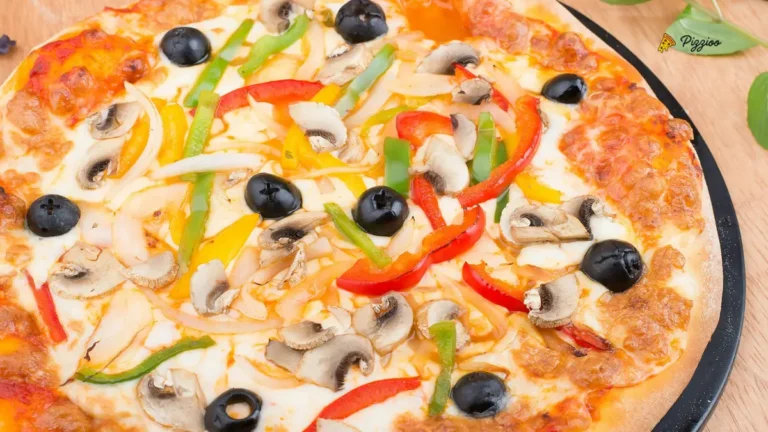
Pizza lovers often use the terms vegan and vegetarian pizza interchangeably, but they are not the same. While both avoid meat toppings, the biggest difference usually comes down to cheese, crust ingredients, and other animal-based products.
Understanding these differences can help you choose the right option for your diet, health goals, or lifestyle.
In this guide, we’ll break down vegan vs vegetarian pizza in a simple way—covering ingredients, nutrition, taste, health benefits, and ordering tips.
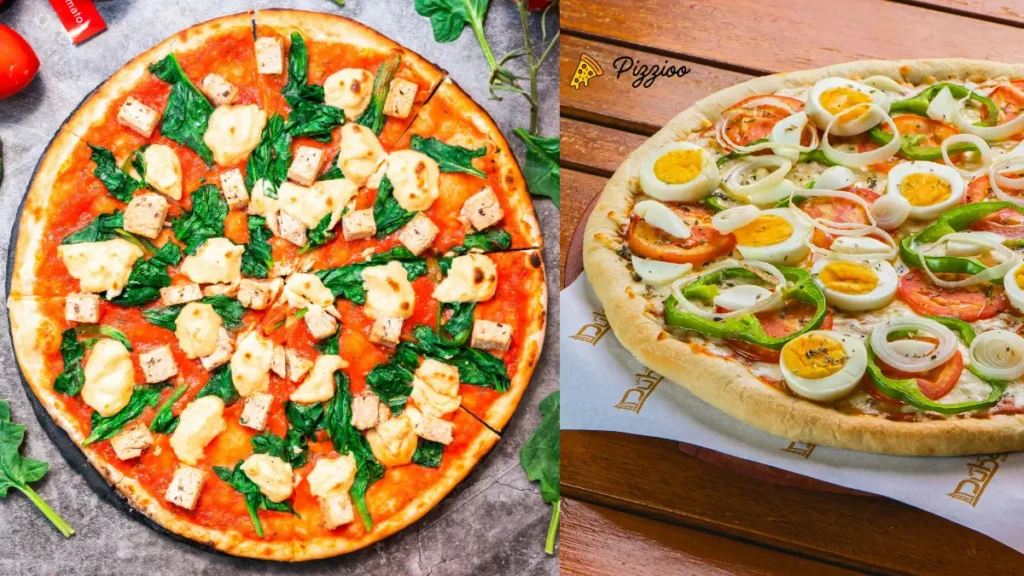
Whether you are plant-based, vegetarian, lactose intolerant, or just curious about better pizza choices, this article will help you decide which pizza fits you best.
What Is Vegan Pizza?
Vegan pizza is a type of pizza made without any animal-derived ingredients. That means it contains no dairy cheese, meat, eggs, or other products that come from animals. Instead of traditional mozzarella, vegan pizza uses plant-based cheese made from ingredients like cashews, almonds, soy, coconut, or oats.
The crust, sauce, and toppings also need to be vegan-friendly. Many vegan pizzas are topped with vegetables, mushrooms, olives, onions, spinach, and plant-based meat alternatives. It is a popular choice for people who follow a vegan lifestyle, have dairy allergies, or want a more plant-based meal.
What Is Vegetarian Pizza?
Vegetarian pizza is a pizza made without meat, poultry, or seafood, but it can still include animal-based ingredients like dairy and sometimes eggs. Most vegetarian pizzas use regular cheese such as mozzarella, cheddar, feta, or parmesan, which is the main difference between vegetarian and vegan pizza.
Common toppings on vegetarian pizza include onions, bell peppers, mushrooms, olives, tomatoes, spinach, sweet corn, paneer, and other vegetables. It is a popular option for people who avoid meat but still enjoy dairy-based foods and classic cheesy pizza flavors.
Vegan vs Vegetarian Pizza: Quick Comparison
At first glance, vegan and vegetarian pizza can look very similar because both are usually loaded with vegetables and contain no meat.
However, the real difference is in the ingredients used, especially cheese, crust, and other animal-based additions. A quick comparison makes it easier to understand which option matches your diet, taste preferences, and lifestyle goals.
Main Ingredient Differences
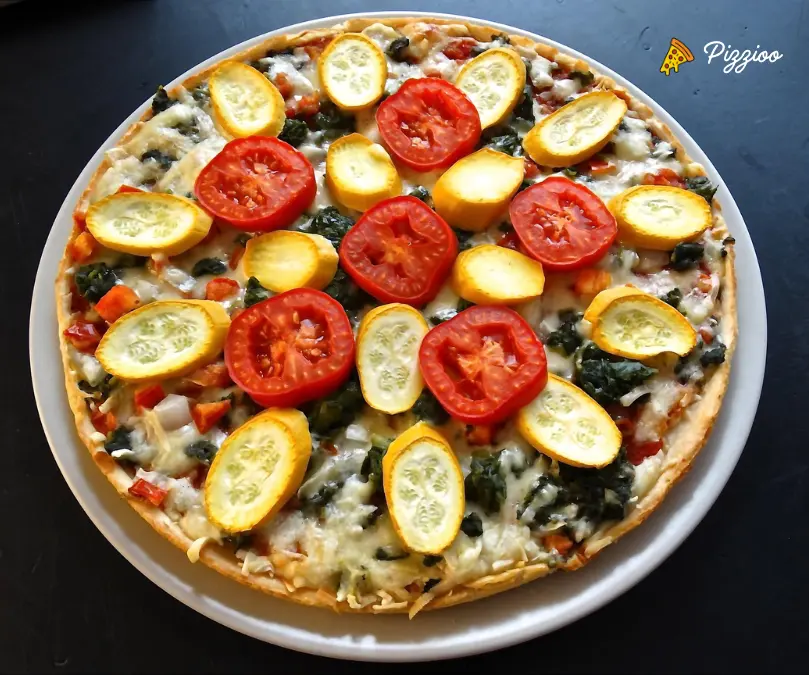
Although vegan and vegetarian pizza may seem alike, their ingredient rules are different. Vegetarian pizza avoids meat but often includes dairy and other animal-based ingredients, while vegan pizza removes all animal products completely.
Looking at the main ingredients side by side makes the differences clear and helps you choose the right pizza with confidence.
| Ingredient | Vegan Pizza | Vegetarian Pizza |
|---|---|---|
| Cheese | Plant-based cheese | Dairy cheese |
| Meat Toppings | Not allowed | Not allowed |
| Milk | Not allowed | Allowed |
| Eggs | Not allowed | Sometimes allowed |
| Butter | Not allowed | Allowed in some recipes |
| Crust | Must be animal-free | May contain milk or eggs |
| Sauce | Must be free from animal ingredients | Usually vegetarian-friendly |
| Vegetable Toppings | Allowed | Allowed |
| Plant-Based Meat | Allowed | Allowed in some cases |
| Honey | Not allowed | Often allowed by some vegetarians |
Cheese Differences
Cheese is one of the biggest differences between vegan and vegetarian pizza. Vegetarian pizza usually uses traditional dairy cheese, while vegan pizza replaces it with plant-based alternatives. Comparing the cheese options helps explain differences in taste, texture, nutrition, and overall pizza experience.
| Feature | Vegan Pizza Cheese | Vegetarian Pizza Cheese |
|---|---|---|
| Main Source | Nuts, soy, coconut, oats, starches | Cow milk, buffalo milk, goat milk |
| Dairy Content | Dairy-free | Contains dairy |
| Lactose | Lactose-free | Contains lactose |
| Common Types | Vegan mozzarella, vegan cheddar, cashew cheese | Mozzarella, cheddar, parmesan, feta |
| Taste | Mild to rich depending on brand | Creamy, classic cheesy flavor |
| Texture | Can vary from stretchy to soft | Usually smooth and stretchy |
| Protein | Usually lower than dairy cheese | Usually higher |
| Saturated Fat | Varies by brand | Often moderate to high |
| Suitable for Vegans | Yes | No |
| Suitable for Vegetarians | Yes | Yes |
Toppings Comparison
Toppings can make vegan and vegetarian pizza look almost identical, since both often use colorful vegetables and herbs. The main difference appears when cheese or specialty toppings are added.
Vegan pizza sticks to fully plant-based ingredients, while vegetarian pizza can include dairy-based toppings and cheeses.
| Topping Type | Vegan Pizza | Vegetarian Pizza |
|---|---|---|
| Vegetables | All vegetables allowed | All vegetables allowed |
| Mushrooms | Allowed | Allowed |
| Olives | Allowed | Allowed |
| Onions | Allowed | Allowed |
| Spinach | Allowed | Allowed |
| Tomatoes | Allowed | Allowed |
| Jalapeños | Allowed | Allowed |
| Dairy Cheese | Not allowed | Allowed |
| Paneer | Not allowed | Allowed |
| Feta Cheese | Not allowed | Allowed |
| Plant-Based Meat | Allowed | Allowed in some cases |
| Fresh Herbs | Allowed | Allowed |
Crust Differences
Pizza crust is often overlooked, but it can be a key difference between vegan and vegetarian pizza. Many basic crusts are naturally plant-based, made with flour, water, yeast, and salt. However, some recipes include milk, eggs, butter, or honey, which makes them suitable for vegetarians but not for vegans.
| Crust Feature | Vegan Pizza Crust | Vegetarian Pizza Crust |
|---|---|---|
| Basic Flour Dough | Allowed | Allowed |
| Water & Yeast Base | Allowed | Allowed |
| Milk in Dough | Not allowed | Allowed |
| Eggs in Dough | Not allowed | Allowed |
| Butter or Ghee | Not allowed | Allowed |
| Honey | Not allowed | Often allowed |
| Garlic Butter Finish | Not allowed | Allowed |
| Stuffed Cheese Crust | Not allowed | Allowed |
| Thin Crust | Often vegan if plain | Usually vegetarian-friendly |
| Need Ingredient Check | Always recommended | Recommended |
Nutritional Comparison
Vegan and vegetarian pizzas can both be part of a balanced diet, but their nutritional profiles differ based on ingredients. The biggest differences come from cheese, protein sources, and overall fat content.
Vegan pizza often focuses on plant-based nutrients, while vegetarian pizza includes dairy, which changes its protein and calorie structure.
| Nutrition Factor | Vegan Pizza | Vegetarian Pizza |
|---|---|---|
| Calories | Usually moderate, depends on toppings | Can be higher due to cheese |
| Protein | Moderate (from plants, legumes, vegan cheese) | Higher (from dairy cheese) |
| Fat Content | Often lower in saturated fat | Higher due to dairy cheese |
| Saturated Fat | Lower | Higher |
| Cholesterol | 0 mg (no animal products) | Contains cholesterol from dairy |
| Fiber | Higher (more vegetables and plant toppings) | Moderate |
| Calcium | From fortified plant cheese | Naturally higher from dairy |
| Sodium | Varies by brand and cheese | Often higher in cheese-heavy pizzas |
| Vitamins & Minerals | Rich in plant-based nutrients | Rich in calcium and vitamin B12 |
Cost Comparison: Which One Is More Expensive?
The price difference between vegan and vegetarian pizza usually comes down to ingredients. Vegan pizza often uses specialty plant-based cheese and alternative protein toppings, which can increase the cost.
Vegetarian pizza, on the other hand, relies on standard dairy cheese that is widely available and generally cheaper.
However, pricing can vary depending on the restaurant, brand, and quality of ingredients used.
| Cost Factor | Vegan Pizza | Vegetarian Pizza |
|---|---|---|
| Cheese Type | Plant-based (often premium priced) | Dairy cheese (more affordable) |
| Ingredient Availability | Limited in some places | Widely available |
| Production Cost | Higher due to alternatives | Lower due to mass production |
| Restaurant Price | Usually higher | Usually moderate |
| Specialty Toppings | Often more expensive | Standard pricing |
| Overall Affordability | Less budget-friendly | More budget-friendly |
Which Pizza Is Healthier? Vegan or Vegetarian?
There is no one-size-fits-all answer here because “healthier” depends on your diet, lifestyle, and nutritional needs. Vegan pizza is often considered lighter because it contains no cholesterol and usually has less saturated fat, especially when made with whole vegetables, legumes, and plant-based cheese. It can also be higher in fiber, which supports digestion and helps you feel full for longer.
On the other hand, vegetarian pizza can be more nutrient-dense in certain areas, especially protein, calcium, and vitamin B12 due to the presence of dairy cheese.
This makes it a good option for people who want a more balanced intake of essential nutrients without giving up dairy.
In simple terms, vegan pizza is often better for those focusing on heart health, weight control, or plant-based eating, while vegetarian pizza can be more suitable for those who want higher protein and traditional cheesy flavor.
The healthiest choice ultimately depends on portion size, ingredients used, and how the pizza is prepared.
Vegan or Vegetarian Pizza for Weight Loss
When it comes to weight loss, both vegan and vegetarian pizzas can fit into a calorie-controlled diet, but the outcome depends heavily on ingredients, portion size, and preparation methods.
Neither option is automatically diet-friendly—it’s the choices you make inside the pizza that matter most.
Vegan Pizza for Weight Loss
Vegan pizza can be a good option for weight loss because it is often lower in saturated fat and completely free from cholesterol. Since it relies heavily on vegetables, legumes, and plant-based toppings, it can also be higher in fiber, which helps improve fullness and reduces overeating.
However, some vegan cheeses and processed meat substitutes can still be high in calories and oils, so ingredient quality is important.
Vegetarian Pizza for Weight Loss
Vegetarian pizza can also support weight loss, especially when it is loaded with vegetables and used in controlled portions. However, the presence of dairy cheese can increase calorie, fat, and saturated fat content.
This doesn’t make it unhealthy, but it does mean portion control becomes more important. Choosing thin crust and lighter cheese amounts can make vegetarian pizza more weight-loss friendly.
How to Make Vegan Pizza at Home?
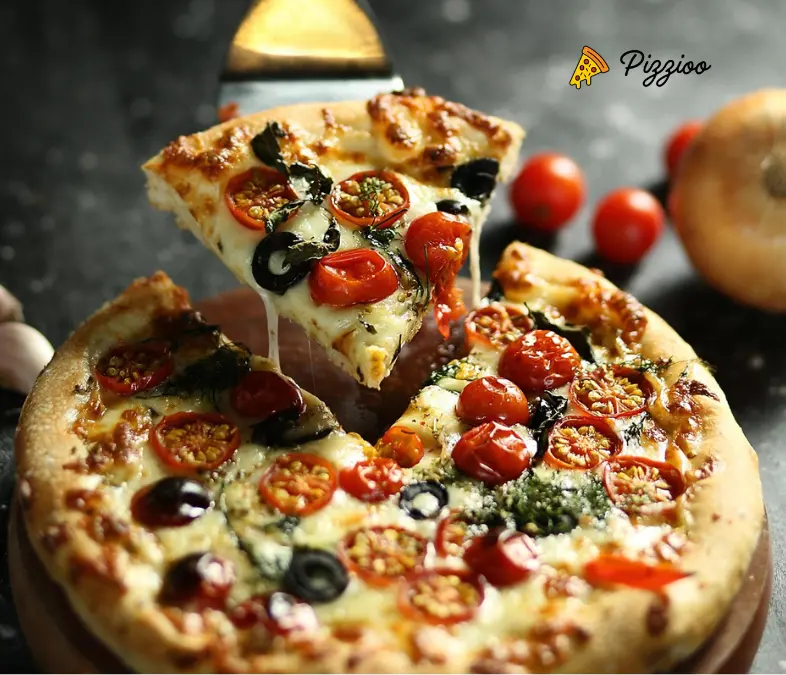
Making vegan pizza at home is easier than it sounds and gives you full control over ingredients, taste, and nutrition. You can customize it with fresh vegetables, plant-based cheese, and a homemade crust that fits your dietary needs.
With a few simple steps, you can enjoy a delicious, restaurant-style vegan pizza right from your kitchen.
Steps to Make Vegan Pizza
- Prepare the dough: Mix flour, yeast, salt, sugar, olive oil, and warm water. Knead until smooth and let it rise for 1–2 hours.
- Preheat the oven: Set your oven to a high temperature (around 220–250°C) for a crispy crust.
- Roll out the dough: Flatten the dough into your desired shape—thin or thick crust.
- Add pizza sauce: Spread a layer of tomato-based sauce evenly over the base.
- Add plant-based cheese: Sprinkle vegan cheese made from nuts, soy, or coconut.
- Add toppings: Use vegetables like mushrooms, onions, peppers, olives, spinach, or corn.
- Bake the pizza: Place it in the oven and bake for 10–15 minutes until the crust is golden.
- Finish and serve: Add fresh basil or olive oil on top and serve hot.
How to Make Vegetarian Pizza at Home
Making vegetarian pizza at home is simple and gives you the freedom to enjoy a fresh, cheesy, and flavorful meal just the way you like it. Since it allows dairy ingredients, you can use classic cheeses along with a variety of vegetables to create a rich and satisfying pizza.
Steps to Make Vegetarian Pizza
- Prepare the dough: Mix flour, yeast, salt, sugar, olive oil, and warm water. Knead well and let it rise for 1–2 hours until fluffy.
- Preheat the oven: Heat your oven to a high temperature (220–250°C) for a crispy crust.
- Roll out the dough: Shape the dough into a thin or thick base depending on your preference.
- Spread the sauce: Apply a layer of tomato pizza sauce evenly over the crust.
- Add cheese: Sprinkle mozzarella or your favorite dairy cheese generously.
- Add toppings: Use vegetables like mushrooms, onions, capsicum, olives, tomatoes, corn, or paneer.
- Bake the pizza: Cook for 10–15 minutes until the crust is golden and the cheese is melted and bubbly.
- Serve hot: Optionally add oregano, chili flakes, or fresh herbs before serving.
Can Vegetarians Eat Vegan Pizza?
Yes, vegetarians can eat vegan pizza because it contains no meat or animal-derived ingredients like dairy cheese, eggs, or butter. Since vegetarian diets mainly restrict meat but still allow plant-based foods, vegan pizza naturally fits within those rules.
It is completely plant-based and usually made with vegetables, plant-based cheese, and dairy-free crusts.
In fact, many vegetarians enjoy vegan pizza as a lighter or alternative option, especially when they want to reduce dairy intake or try something different.
However, the taste and texture may feel different compared to traditional vegetarian pizza because vegan cheese has a different flavor profile and melting quality.
So, while both pizzas are suitable for vegetarians, choosing between them usually comes down to personal preference—whether you enjoy classic dairy cheese or prefer a fully plant-based version.
Can Vegans Eat Vegetarian Pizza?
No, vegans cannot eat vegetarian pizza because it usually contains dairy products like cheese, and sometimes butter, milk, or other animal-based ingredients in the crust or toppings.
Since a vegan diet avoids all animal-derived foods, traditional vegetarian pizza does not meet vegan dietary rules.
Even though vegetarian pizza does not include meat, the presence of dairy cheese is enough to make it unsuitable for vegans. However, vegans can still enjoy a modified version of vegetarian pizza if it is made with plant-based cheese and fully vegan-friendly ingredients.
Many restaurants now offer customizable options, allowing vegetarians to “veganize” their pizza by removing dairy and replacing it with plant-based alternatives.