How to Store Pizza Dough Like a Pro? Avoid Dough Waste!
Fresh pizza dough is the secret to a soft, airy, and flavorful pizza crust. But without proper storage, dough can quickly dry out, overproof, become sticky, or lose its perfect texture. Many people make small storage mistakes that affect the final taste and baking results without even realizing it.
The good news is that storing pizza dough is simple when you know the right techniques. Whether you are keeping dough at room temperature for a few hours, refrigerating it overnight, or freezing it for weeks, each method requires proper timing, temperature, and storage containers to maintain freshness.
In this complete guide, you’ll learn how to store pizza dough the right way for both short-term and long-term use.
You’ll also discover how long pizza dough lasts, the best containers to use, how to thaw frozen dough, signs of spoiled dough, and expert tips to keep your pizza dough soft, stretchy, and full of flavor every time.
What Does Storing Pizza Dough Mean?
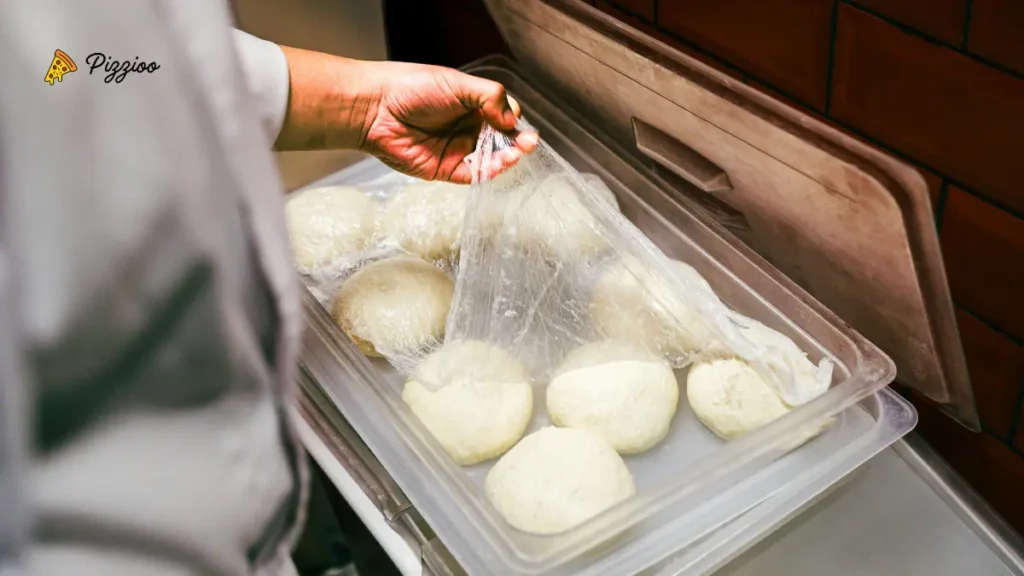
Storing pizza dough means keeping the dough fresh and usable before baking. It involves placing the dough in the right environment to control yeast activity, maintain moisture, and prevent the dough from drying out or spoiling.
Pizza dough can be stored at room temperature, in the refrigerator, or in the freezer depending on how long you want to keep it. Proper storage helps the dough develop better flavor, texture, and elasticity while keeping it safe to use later.
The main goal of storing pizza dough is to preserve its quality until you are ready to make pizza. When stored correctly, the dough stays soft, stretchy, and easy to shape, resulting in a better pizza crust after baking.
Why Pizza Dough Storing Matters?
Proper pizza dough storage plays a major role in the final quality of your pizza. The way you store the dough affects its texture, flavor, rise, and freshness. Even perfectly made dough can turn dry, sour, or unusable if it is not stored correctly.
Below are the main reasons why storing pizza dough properly matters:
- Keeps the Dough Fresh: Proper storage prevents the dough from drying out, cracking, or becoming hard before use.
- Improves Flavor Development: Refrigerated dough slowly ferments over time, creating a deeper and richer pizza flavor.
- Maintains Soft and Stretchy Texture: Correct storage helps the dough stay elastic and easy to shape without tearing.
- Prevents Overproofing: Storing dough at the right temperature controls yeast activity and prevents the dough from rising too much.
- Reduces Food Waste: Good storage methods allow you to keep dough longer instead of throwing it away.
- Protects Dough from Contamination: Airtight storage keeps dust, bacteria, and unwanted odors away from the dough.
- Makes Pizza Preparation Easier: Stored dough can be prepared ahead of time, saving effort on busy days.
- Helps Create Better Pizza Crust: Fresh and properly fermented dough produces a lighter, crispier, and more flavorful crust.
How Long Can Pizza Dough Be Stored?
Pizza dough can be stored for different lengths of time depending on where and how you keep it. Temperature plays a major role in controlling yeast activity and maintaining dough quality. Proper storage helps preserve the dough’s flavor, texture, and freshness while preventing spoilage.
The table below shows the average storage time for pizza dough under different conditions:
| Storage Method | Average Storage Time | Best For | Important Notes |
|---|---|---|---|
| Room Temperature | 2–4 Hours | Same-day pizza making | Keep covered to prevent drying |
| Refrigerator | 3–5 Days | Better flavor and slow fermentation | Store in airtight container |
| Freezer | Up to 3 Months | Long-term storage | Wrap tightly to avoid freezer burn |
| Store-Bought Refrigerated Dough | Until expiration date | Convenience | Follow package instructions |
| Thawed Frozen Dough | 12–24 Hours in fridge | Next-day use | Do not refreeze repeatedly |
| Dough During Cold Fermentation | 24–72 Hours | Deep flavor development | Ideal for artisan-style pizza |
| Prepared Dough Balls | 1–2 Days in fridge | Easy pizza preparation | Keep individual portions covered |
Best Ways to Store Pizza Dough
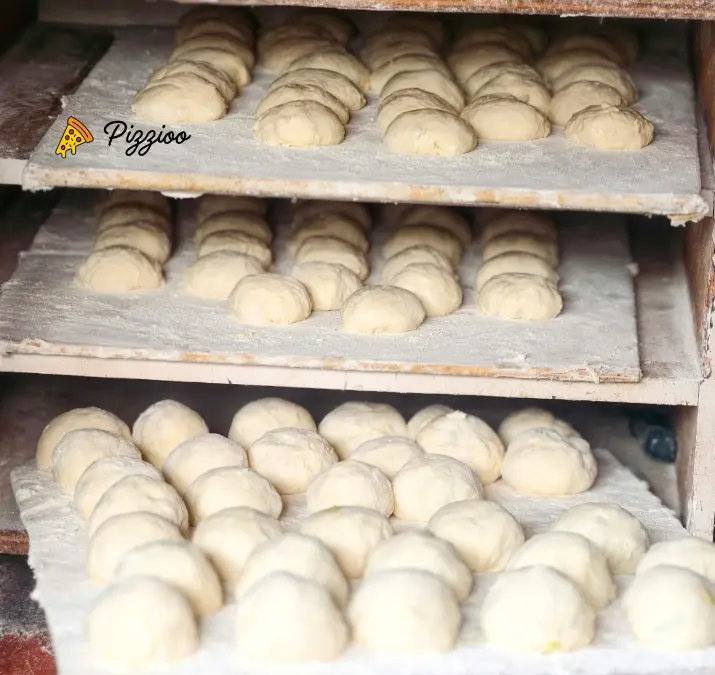
Proper pizza dough storage helps maintain flavor, texture, moisture, and yeast activity. The best storage method depends on how soon you plan to use the dough. Some methods are perfect for same-day baking, while others are better for long-term storage and deeper flavor development.
Below are the best ways to store pizza dough properly and keep it fresh for the best baking results.
Room Temperature Method
Room temperature storage works best when you plan to use the dough within a few hours. This method allows the dough to continue rising and developing flavor naturally.
Place the pizza dough in a lightly oiled bowl or container. Cover it tightly with plastic wrap, a lid, or a damp towel to prevent air exposure. Keep the dough in a cool area away from direct sunlight or heat sources.
Room temperature dough is usually good for about 2 to 4 hours, depending on the room temperature and yeast amount. Warmer environments make the dough rise faster, which can lead to overproofing if left too long.
This method is ideal for:
- Same-day pizza preparation
- Quick fermentation
- Soft and airy crust development
Refrigerator Method
Refrigerating pizza dough is one of the most popular and effective storage methods. Cold temperatures slow yeast activity, allowing the dough to ferment slowly and develop richer flavor.
Before refrigerating, lightly coat the dough with olive oil to prevent sticking and drying. Place it in an airtight container or sealed dough box with enough space for expansion. The dough will continue to rise slowly in the refrigerator.
Most pizza dough stays fresh in the fridge for 3 to 5 days. Many pizza makers prefer cold fermentation for 24 to 72 hours because it improves texture, chewiness, and flavor complexity.
Benefits of refrigerator storage include:
- Better flavor development
- Improved dough texture
- Easier dough handling
- Longer freshness
For best results, remove the dough from the refrigerator 30 to 60 minutes before stretching and baking. This helps the dough relax and become easier to shape.
Freezer Method
Freezing pizza dough is the best option for long-term storage. It allows you to keep extra dough ready for future pizza nights without wasting ingredients.
To freeze pizza dough properly, first let the dough complete its initial rise. Divide it into individual portions and lightly coat each dough ball with oil. Wrap each piece tightly in plastic wrap or place it inside freezer-safe bags or airtight containers.
Frozen pizza dough can last up to 3 months while maintaining good quality. Labeling the dough with the freezing date helps track freshness.
When ready to use frozen dough:
- Transfer it to the refrigerator overnight
- Let it thaw slowly for several hours
- Bring it to room temperature before baking
Avoid thawing dough in very hot conditions because sudden temperature changes can damage the dough structure and affect texture.
Store-Bought Pizza Dough Storage Method
Store-bought pizza dough usually comes refrigerated and includes storage instructions on the packaging. Keeping it sealed in its original package helps maintain freshness until use.
If you are not using it immediately:
- Store refrigerated dough in the fridge until the expiration date
- Freeze it before the expiration date for longer storage
- Keep the package tightly sealed after opening
Once opened, transfer leftover dough into an airtight container or wrap it tightly to prevent drying out.
Store-bought dough may contain preservatives, but proper storage is still important to maintain flavor and texture quality.
Homemade Pizza Dough Store Method
Homemade pizza dough requires careful storage because it does not usually contain preservatives. The freshness depends heavily on temperature control and moisture protection.
After kneading the dough:
- Allow it to rise if the recipe requires it
- Divide into dough balls if needed
- Lightly oil the surface
- Store in airtight containers or sealed bags
Homemade dough can be:
- Left at room temperature for short-term use
- Refrigerated for several days
- Frozen for long-term storage
Step-by-Step Guide to Storing Pizza Dough Properly
Properly storing pizza dough helps keep it fresh, soft, and flavorful. The right storage process also prevents common problems like drying, overproofing, and freezer burn. Whether you plan to refrigerate or freeze the dough, following a few simple steps can greatly improve your final pizza results.
Let the Dough Rise First or Not?
Some pizza dough recipes require a first rise before storage, while others use slow cold fermentation directly in the refrigerator. For freezing, it is usually best to let the dough complete its first rise first. Avoid overproofing because overly risen dough can lose structure and texture.
Divide Dough into Portions
Divide the dough into individual portions before storing it. This makes the dough easier to handle, ferment evenly, and thaw faster later. Shape each portion into a smooth dough ball for the best results.
Oil the Dough and Container
Lightly coat the dough and storage container with olive oil. This prevents sticking and keeps the dough surface from drying out during storage. Use only a thin layer to avoid greasy dough.
Choose the Right Storage Container
Store pizza dough in airtight sized containers, bowls with lids, or freezer-safe bags. The container should provide enough room for slight dough expansion while protecting it from air exposure.
Seal Dough Properly to Prevent Drying
Always seal the dough tightly before storing it. Plastic wrap, airtight lids, or resealable bags help lock in moisture and prevent a dry crust from forming on the dough surface.
Labeling and Dating the Dough
Label stored pizza dough with the storage date, especially when freezing. This helps you track freshness and use the dough before its quality starts to decline.
Best Containers for Pizza Dough Storage
Choosing the right container is important for keeping pizza dough fresh, soft, and properly fermented. A good storage container protects the dough from air exposure, moisture loss, and contamination while giving it enough space to rise.
Different containers work better for different storage methods, whether you are refrigerating or freezing the dough.
Plastic Containers
Plastic containers are one of the most common choices for pizza dough storage. They are lightweight, affordable, and usually come with airtight lids that help keep moisture inside. Clear plastic containers also make it easy to monitor dough expansion during fermentation.
Glass Containers
Glass containers are durable and non-reactive, making them great for storing homemade pizza dough. They help maintain stable temperatures and do not absorb food odors. Glass bowls with tight-fitting lids work especially well for refrigerator storage.
Ziplock Bags
Ziplock bags are ideal for freezing pizza dough and saving storage space. They reduce air exposure and help prevent freezer burn when sealed properly. Lightly oil the dough before placing it inside the bag to avoid sticking.
Dough Proofing Boxes
Dough proofing boxes are commonly used by professional pizza makers. These containers provide enough room for multiple dough balls to rise evenly during fermentation. They are excellent for long cold fermentation and maintaining dough structure.
How to Tell If Pizza Dough Is Still Good
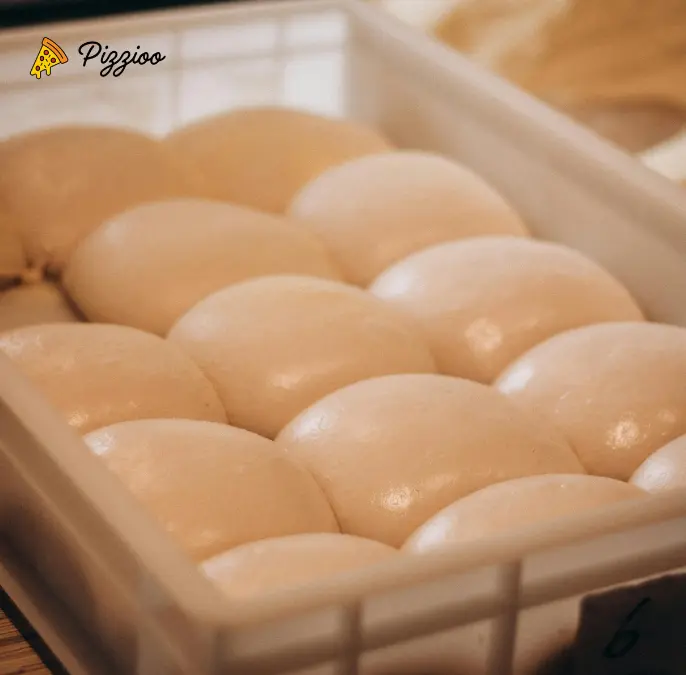
Pizza dough can stay good for a few hours, days, or even months depending on how it is stored. However, over time it can spoil, overferment, or lose its texture.
Knowing the signs of fresh vs bad dough is important to avoid ruining your pizza and to stay safe while cooking.
- Smell changes: If the dough has a strong sour, rotten, or unpleasant smell instead of a mild yeasty aroma, it has likely gone bad and should not be used.
- Mold growth: Any visible mold, whether white, green, or black spots, is a clear sign the dough is spoiled and unsafe to eat.
- Color change: Fresh dough is usually light cream or white, while bad dough may turn gray, dull, or develop dark patches.
- Dry or hard surface: If the dough feels crusty, cracked, or extremely dry on the outside, it has lost too much moisture and quality.
- Overfermented texture: Dough that feels overly sticky, collapsed, or very weak may have fermented too long and lost its structure.
- Unusual gas bubbles: Excessive large bubbles or a balloon-like appearance can indicate overproofing or spoilage depending on storage time.
- Taste change (after baking small test): If a small cooked piece tastes overly sour or unpleasant, the dough is no longer at its best quality.
Common Pizza Dough Storage Problems and Fixes
Pizza dough storage can sometimes go wrong even if you follow basic steps. Issues like drying, overproofing, or poor texture are common, but most of them can be fixed easily if you understand the cause. Proper handling and small adjustments can restore dough quality in many cases.
Dough Drying Out
This happens when the dough is exposed to air during storage. To fix it, lightly coat the surface with olive oil and cover it tightly with plastic wrap or an airtight lid. If it has already formed a thin dry layer, you can sometimes knead it back in after softening.
Dough Becoming Too Sticky
Sticky dough usually means too much moisture or overfermentation. Lightly dust with flour while handling, but avoid adding too much as it can change texture. Chilling the dough in the refrigerator can also help firm it up.
Dough Overproofing
Overproofed dough rises too much and becomes weak or collapsed. You can gently deflate it and reshape it into a ball, then refrigerate it to slow fermentation. It may still work for pizza but will have a lighter structure.
Dough Not Rising After Storage
This usually happens when yeast becomes inactive due to cold or long storage. Let the dough sit at room temperature for 1–2 hours to reactivate yeast. If it still doesn’t rise, it may need fresh yeast mixed in.
Crust Forming on Dough Surface
A crust forms when dough is not sealed properly. Remove the dry layer if thin, then re-ball the dough and coat it lightly with oil before resealing it tightly.
Dough Smelling Too Sour
A strong sour smell often means overfermentation. You can still use it for a tangy-style pizza, but balance it with fresh dough or shorten baking time to reduce strong flavors.
Tips for Better Pizza Dough Storage Results
Proper pizza dough storage is not just about keeping it in the fridge or freezer. Small habits can make a big difference in texture, flavor, and usability later. With the right approach, your dough stays soft, elastic, and easy to work with every time you use it.
- Use the right amount of yeast: Less yeast slows fermentation and helps dough store better without overproofing.
- Control dough temperature before storing: Letting dough cool slightly before refrigeration prevents sudden yeast shock and uneven rising.
- Always use airtight storage: Keeping air out prevents drying, crust formation, and contamination.
- Lightly oil the dough surface: This keeps moisture locked in and makes it easier to remove from the container later.
- Avoid overhandling before storage: Too much kneading after proofing can weaken gluten structure.
- Store in portion sizes: Smaller dough balls ferment and thaw more evenly than one large batch.
- Keep refrigerator temperature stable: Consistent cold temperature improves slow fermentation and flavor development.
- Label storage dates clearly: This helps you use dough at peak freshness and avoid spoilage.
- Avoid frequent temperature changes: Moving dough in and out of cold storage affects yeast activity and texture.
- Let dough rest before use: Bringing stored dough back to room temperature improves stretchability and baking results.
How to Prepare Stored Pizza Dough for Baking
Stored pizza dough needs a little preparation before baking to bring back its best texture, elasticity, and flavor. Whether it was refrigerated or frozen, proper handling helps the dough relax, rise properly, and stretch without tearing.
Taking a few simple steps before baking can make a big difference in the final crust quality.
Let the Dough Come to Room Temperature
Remove the dough from the fridge or freezer and let it sit at room temperature for 30 to 120 minutes. This helps relax the gluten and makes the dough easier to stretch without snapping back.
Check Dough Texture and Rise
Gently press the dough with your fingers. If it slowly springs back, it is ready. If it feels too tight, give it more resting time so the yeast can become active again.
Lightly Flour or Oil the Surface
Dust a small amount of flour on your work surface or lightly oil your hands. This prevents sticking while shaping and keeps the dough smooth.
Stretch the Dough Carefully
Start from the center and gently stretch outward using your fingers. Avoid pulling too hard, as this can tear the dough or release too much gas.
Re-activate if Needed
If the dough feels flat after storage, let it rest a bit longer before shaping. This helps regain softness and improves oven rise.
Final Check Before Baking
Make sure the dough is evenly shaped, not too sticky, and still slightly elastic. At this stage, it is ready to be topped and baked into pizza.
FAQs and Answers
How long can pizza dough stay in the fridge?
Pizza dough can usually stay in the refrigerator for 3 to 5 days. During this time, it slowly ferments, which can actually improve flavor and texture if stored properly in an airtight container.
Can I freeze pizza dough for later use?
Yes, pizza dough can be frozen for up to 2 to 3 months. Make sure to wrap it tightly and store it in a freezer-safe bag or container to prevent freezer burn and dryness.
Do I need to let pizza dough rise before storing it?
It depends on the recipe and storage method. Some doughs are stored after a short rise, while others go straight into cold fermentation. For freezing, it is usually better to let it rise first.
Why did my pizza dough turn hard in the fridge?
This usually happens when the dough is not sealed properly. Exposure to air causes the surface to dry out and form a hard crust, making it difficult to use later.
Can I still use overproofed pizza dough?
Yes, slightly overproofed dough can still be used, but it may have a weaker structure. It often results in a lighter or flatter crust, but it is still safe to bake.
How do I know if frozen pizza dough is still good?
If frozen dough has no freezer burn, strange smell, or discoloration after thawing, it is usually fine to use. Proper wrapping is key to maintaining quality.
Should I bring pizza dough to room temperature before baking?
Yes, letting stored dough come to room temperature makes it easier to stretch and improves oven spring. Cold dough is harder to shape and may shrink back while stretching.