How Many Carbs in Cheese Pizza? (Slice, Size & Brands)
If you have ever checked a pizza nutrition label, you probably noticed that the carb count can be surprisingly high. Even a simple slice of cheese pizza can contain more carbs than many people expect. The numbers become even higher with thick crust, extra cheese, or larger serving sizes.
That is why many people search for the exact carb count before ordering or making pizza at home. Whether you are following a low-carb diet, tracking macros, managing diabetes, or simply trying to eat healthier, knowing the carbs in cheese pizza can help you make better food choices.
In this guide, you will find the average carbs in cheese pizza by slice size, crust type, and popular pizza brands. We will also cover calories, nutrition facts, and simple ways to enjoy pizza with fewer carbs.
Is Cheese Pizza High in Carbs?

Yes, cheese pizza is generally considered high in carbs, especially when made with regular wheat crust. Most slices contain around 30 to 40 grams of carbohydrates, which can take up a large part of your daily carb intake in just one serving.
The main source of carbs in cheese pizza is the crust. Pizza dough is usually made from refined flour, which is high in carbohydrates. Pizza sauce can also add extra carbs because many sauces contain sugar.
While cheese is low in carbs, the crust and sauce make the overall pizza much higher in carbohydrate content.
A single slice may not seem like much, but eating two or three slices can quickly add over 100 grams of carbs. Deep dish and stuffed crust pizzas usually contain even more because they use thicker dough.
Cheese pizza can still fit into a balanced diet if eaten in moderation. Choosing thin crust pizza, smaller slices, or low-carb crust alternatives can help reduce the total carb count. Many people on low-carb or keto diets also prefer cauliflower crust or almond flour pizza to lower their carb intake.
How Many Carbs Are in a Slice of Cheese Pizza?
The number of carbs in a slice of cheese pizza depends on the crust type, slice size, and ingredients used. On average, one regular slice of cheese pizza contains around 30 to 40 grams of carbohydrates.
Thin crust pizza usually has fewer carbs, while deep dish and stuffed crust pizza can contain much more.
Most of the carbs in cheese pizza come from the pizza dough and sauce. The cheese itself is low in carbs, but thicker crusts and sweet pizza sauces can quickly increase the total carb count.
Larger slices from restaurant or takeout pizzas also tend to have more carbohydrates than smaller homemade slices.
Here is a quick average breakdown of carbs in one slice of cheese pizza:
- Thin crust cheese pizza: 20–30 carbs
- Regular crust cheese pizza: 30–40 carbs
- Deep dish cheese pizza: 40–50+ carbs
- Stuffed crust cheese pizza: 45–60 carbs
Frozen pizzas and fast-food pizza chains may also have different carb counts depending on the recipe and serving size. Always check the nutrition label if you want the most accurate numbers.
Average Carb Count by Size
The carb count in cheese pizza can change a lot depending on the pizza size and slice portion. Larger pizzas usually have bigger slices, which means more dough and more carbohydrates. Thin crust pizzas may have fewer carbs, while thick crust and deep dish pizzas often contain much higher amounts.
Here is the average carb count for one slice of cheese pizza based on common pizza sizes:
| Pizza Size | Average Carbs Per Slice |
|---|---|
| Small Cheese Pizza | 20–25 carbs |
| Medium Cheese Pizza | 25–35 carbs |
| Large Cheese Pizza | 30–40 carbs |
| Extra-Large Cheese Pizza | 35–45 carbs |
| Deep Dish Cheese Pizza | 40–50+ carbs |
| Stuffed Crust Cheese Pizza | 45–60 carbs |
Average Carb Count by Slices
The number of carbs in cheese pizza also depends on how many slices you eat. Even though one slice may seem reasonable, the carb count can increase quickly after two or three slices. Larger slices from restaurant pizzas usually contain more carbs than smaller homemade slices.
Here is the average carb count in cheese pizza based on serving size:
| Number of Slices | Average Carb Count |
|---|---|
| 1 Slice | 30–40 carbs |
| 2 Slices | 60–80 carbs |
| 3 Slices | 90–120 carbs |
| 4 Slices | 120–160 carbs |
| Half Pizza | 150–250 carbs |
| Whole Cheese Pizza | 300–500+ carbs |
Carb Count by Pizza Crust Type
The crust is the biggest factor that affects the carb count in cheese pizza. Thin crust pizzas usually contain fewer carbohydrates because they use less dough. On the other hand, deep dish and stuffed crust pizzas have more bread, which increases the total carbs per slice.
Here is the average carb count for cheese pizza based on crust type:
| Pizza Crust Type | Average Carbs Per Slice |
|---|---|
| Thin Crust Cheese Pizza | 20–30 carbs |
| Regular Crust Cheese Pizza | 30–40 carbs |
| Hand-Tossed Cheese Pizza | 30–45 carbs |
| Brooklyn Style Pizza | 25–35 carbs |
| Deep Dish Cheese Pizza | 40–50+ carbs |
| Stuffed Crust Cheese Pizza | 45–60 carbs |
| Cauliflower Crust Pizza | 10–20 carbs |
| Gluten-Free Cheese Pizza | 20–35 carbs |
| Keto Cheese Pizza Crust | 5–10 carbs |
Cheese Pizza Carb Count by Popular Pizza Chains
Popular pizza chains use different crust recipes, slice sizes, and cheese amounts, so the carb count can vary from one brand to another. Thin crust options usually contain fewer carbs, while pan pizza, deep dish, and stuffed crust pizzas are much higher in carbohydrates.
Here is the average carb count for one slice of cheese pizza from major pizza chains:
| Pizza Chain | Average Carbs Per Slice |
|---|---|
| Domino’s Cheese Pizza | 25–35 carbs |
| Pizza Hut Cheese Pizza | 26–40 carbs |
| Papa John’s Cheese Pizza | 25–36 carbs |
| Little Caesars Cheese Pizza | 30–42 carbs |
| Costco Cheese Pizza | 45–70 carbs |
| Sbarro Cheese Pizza | 40–60 carbs |
| Marco’s Cheese Pizza | 28–38 carbs |
| Blaze Pizza Cheese Pizza | 14–30 carbs |
| California Pizza Kitchen Cheese Pizza | 20–35 carbs |
How Toppings Affect Carb Content?
Pizza toppings don’t just change the taste of your slice—they can also change the carb count quite a bit. While the crust is still the main source of carbohydrates, toppings can quietly add extra carbs through sauces, sugars, and certain ingredients. Some toppings barely affect carbs at all, while others can increase them more than expected.
Below are the main reasons why pizza toppings affect carb content.
Cheese and Dairy Toppings
Cheese is one of the most important toppings when it comes to keeping carbs low. Most cheeses like mozzarella, cheddar, and parmesan contain almost no carbohydrates. This means adding extra cheese usually does not increase the carb count in a noticeable way.
Instead, cheese mainly adds protein and fat, which can make pizza more filling and satisfying. However, some processed cheese blends or flavored cheeses may contain small amounts of added carbs, but they are still relatively low compared to other toppings.
Meat Toppings
Meat toppings such as pepperoni, sausage, bacon, ham, and chicken are generally low in carbs. These foods are mostly made of protein and fat, so they do not contribute much to the total carbohydrate count.
The only thing to watch is processing. Some packaged meats may include fillers, sugar, or seasoning blends that slightly increase carbs. Still, compared to crust and sauces, meat toppings have a minimal impact on carb content.
Vegetable Toppings

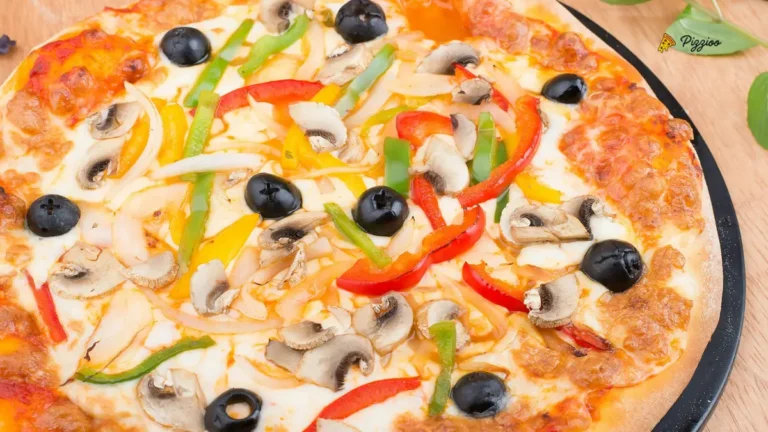
Vegetables can affect carb levels depending on the type used. Non-starchy vegetables like mushrooms, spinach, olives, onions, and bell peppers are low in carbs and add very little to the total count.
However, starchy vegetables like corn or potatoes contain more carbohydrates and can increase the total more noticeably if used in larger amounts. Even then, vegetables are usually a healthier topping choice because they add fiber and nutrients along with flavor.
Fruits and Sweet Toppings
Fruit toppings, especially pineapple, can significantly increase carb content. Pineapple contains natural sugars, which means even a small portion adds extra carbohydrates to each slice.
Sweet-style pizzas or toppings combined with sugary sauces can push the carb count higher than a regular cheese pizza. This is why fruit-based pizzas are usually not recommended for low-carb diets.
Pizza Sauces
Sauce is one of the hidden sources of carbs in pizza. While plain tomato sauce has a moderate carb level, many pizza sauces contain added sugar to improve taste.
Sweet sauces like BBQ, honey garlic, or teriyaki can significantly increase carbs per slice. Even a small amount can add up when combined with crust and other ingredients. Choosing low-sugar or traditional tomato sauce helps keep carb levels lower.
Will Crab Add Extra Calories?
Carbs themselves do not directly turn into calories in a one-to-one way, but they do contribute to the total calorie count of pizza. In simple terms, yes—higher carbs usually mean higher calories, especially in foods like cheese pizza where most carbs come from the dough.
Pizza dough is made from refined flour, which is rich in carbohydrates. Since carbs provide energy, they naturally add calories to each slice. That’s why thicker crust pizzas or larger slices tend to have more calories compared to thin crust options. So when carb content goes up, calorie content often increases as well.
However, carbs are not the only factor that affects calories in pizza. Fat from cheese, oils, and meat toppings also plays a big role. In fact, fat contains more calories per gram than carbs, so cheese-heavy or stuffed crust pizzas can be high in calories even if carb levels are moderate.
If you want to understand this better, it helps to look at both carbs and total energy together. You can also check this detailed guide on how many calories in pizza to see how carb content connects with overall calorie intake.
How to Reduce Carbs in Cheese Pizza?
Cheese pizza is simple and delicious, but it can be high in carbs because of the dough and sauce. The good news is you don’t need to give up pizza completely if you are watching your carb intake. With a few smart choices, you can enjoy cheese pizza while keeping carbs much lower.
Here are some easy and effective ways to reduce carbs in cheese pizza:
- Choose thin crust instead of thick crust: Thin crust uses less dough, which directly reduces the total carbohydrates in each slice. It is one of the simplest ways to cut carbs without changing the taste too much.
- Go for cauliflower or low-carb crust: Cauliflower crust or almond flour-based crusts contain far fewer carbs than regular wheat dough. These are great options for low-carb or keto diets.
- Eat smaller portions: Instead of eating multiple large slices, reduce your serving size. Even one or two slices can satisfy your craving while keeping carbs under control.
- Avoid sugary pizza sauces: Some sauces contain added sugar, which increases carbs. Stick to plain tomato sauce or low-sugar alternatives when possible.
- Limit extra crust-heavy styles: Avoid stuffed crust, pan pizza, or deep dish options, as they contain more dough and significantly higher carbs.
- Add more protein and low-carb toppings: Extra cheese, chicken, pepperoni, bacon, and other meat toppings help increase fullness without adding many carbs.
- Skip high-carb toppings like pineapple or sweet sauces: These can quickly increase the carb count, even on a cheese pizza.
How to Calculate Carbs in Cheese Pizza Yourself?
If you want to know the exact carb count in cheese pizza, the best way is to calculate it yourself using the ingredients and serving size. This is useful because pizza carbs can vary a lot between homemade, frozen, and restaurant versions.
Here’s a simple way to do it step by step:
- Check the crust ingredients first: The crust is the biggest source of carbs. Look at the nutrition label or recipe and note how many grams of carbs are in the flour or dough used. Refined white flour will have the highest carb count.
- Measure the total pizza dough carbs: If you are making pizza at home, add up the carbs from all dough ingredients. Then divide it by the number of slices to get per-slice carbs.
- Add sauce carbs: Pizza sauce often contains tomatoes and added sugar. Check the label or estimate around 2–5 grams of carbs per slice depending on how much sauce is used.
- Include cheese carbs (small but not zero): Cheese is low in carbs, but still adds a small amount. Most cheese adds about 0–2 grams of carbs per slice.
- Divide the pizza into slices: Once you know the total carbs of the whole pizza, divide it by the number of slices.
For example:- Total pizza carbs ÷ 8 slices = carbs per slice
- Adjust for toppings (if any): Add carbs from extra toppings like pineapple, BBQ sauce, or sweet vegetables. Keep in mind meat toppings usually add almost zero carbs.
- Use nutrition apps for accuracy: Apps like MyFitnessPal or Chronometer can help you quickly calculate carbs by entering ingredients or scanning packaged pizza labels.