Is Cheese Pizza Halal, Haram or Kosher? Real Truth Exposed
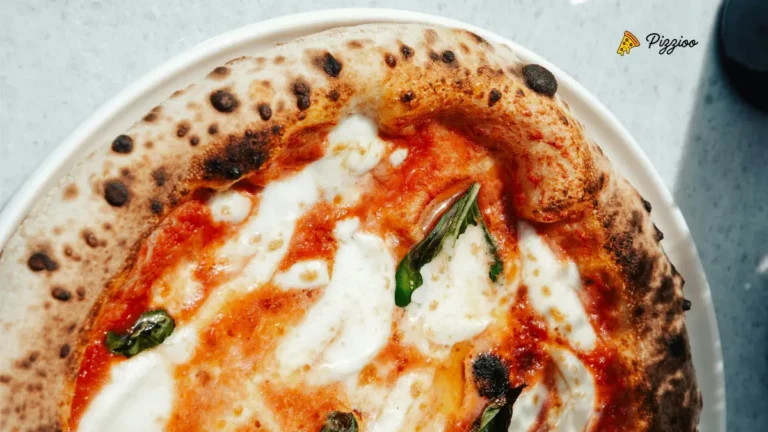
Cheese pizza is one of the most popular foods in the world. It looks simple and harmless. Just bread, sauce, and melted cheese. Because of that, many people believe it must be halal or kosher by default. But the real answer is not always that easy.
A plain cheese pizza can be halal, haram, or kosher depending on what is used to make it. The cheese may contain animal rennet. The dough may include ingredients that need checking. The pizza may also be cooked in the same oven as pork toppings or non-approved foods. Small details can change everything.
That is why many Muslims and Jews ask the same question before ordering a slice. Is this cheese pizza actually allowed to eat? The answer depends on ingredients, certification, and preparation methods.
We will explain what makes cheese pizza halal, what makes it kosher, ingredients to watch out for, and how to choose the safest option at home or in restaurants.
Understanding Cheese Pizza in Religious Dietary Laws
Cheese pizza is a common food choice across the United States. It is served in restaurants, schools, workplaces, parties, and homes every day. Because it looks simple, many people assume it fits all dietary needs.
In reality, religious dietary laws can make the answer more complex. For Muslims and Jews, food is not judged only by appearance. It is judged by ingredients, sourcing, preparation methods, and handling practices.
In Islamic dietary law, foods must be halal, which means permitted. Ingredients from pork are not allowed. Cheese made with non-halal animal rennet may also be a concern. Food should also be prepared in a clean way that avoids contamination from haram items.
This is why some Muslims ask important questions before eating pizza. Was the cheese made with microbial enzymes or animal rennet? Was the pizza baked on the same surface as pepperoni pizza?
In Jewish dietary law, foods must be kosher, meaning fit according to kashrut rules. Cheese often needs reliable kosher certification because enzymes and production methods matter. Pizza can also raise dairy law questions because cheese pizza is considered a dairy food.
That means it cannot be mixed with meat under kosher practice. Many Jewish consumers may ask if the restaurant uses certified kosher cheese or if the kitchen follows kosher standards.
Is Cheese Pizza Halal or Haram?
Cheese pizza can be halal or haram depending on the ingredients used and how it is prepared. It is not automatically halal just because it has no meat toppings. The main factors are the type of cheese, dough ingredients, sauce additives, and whether it comes into contact with non-halal foods during cooking.
The most important ingredient to check is the cheese. Many cheeses are made with rennet, which helps milk curdle during production. If the rennet comes from animals not slaughtered according to Islamic rules, some Muslims may consider it not halal.
Cheese made with microbial enzymes or halal-certified rennet is usually the safer option. This is why two cheese pizzas can look the same but have different halal status.
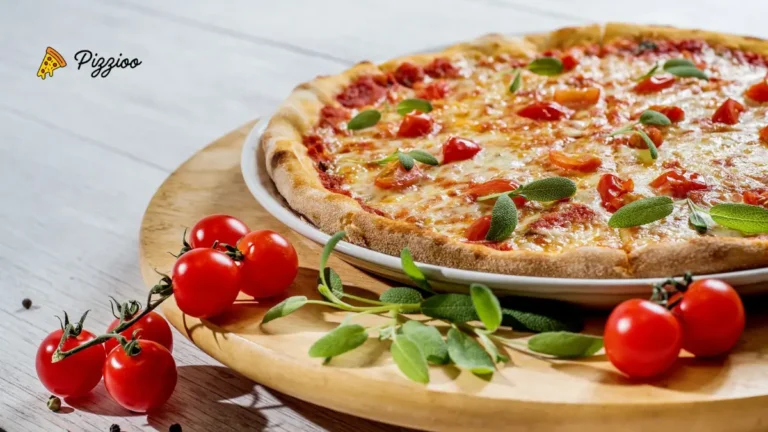
The dough can also matter. Most pizza dough is simple and made from flour, water, yeast, salt, and oil. However, some recipes may include additives, flavorings, or dough conditioners that need checking.
Is Cheese Pizza Kosher?
Cheese pizza also can be kosher, but it is not automatically kosher. Its kosher status depends on the ingredients used, how the cheese is made, and whether the pizza is prepared according to Jewish dietary laws. A plain cheese pizza may seem simple, yet several important details decide if it is truly kosher.
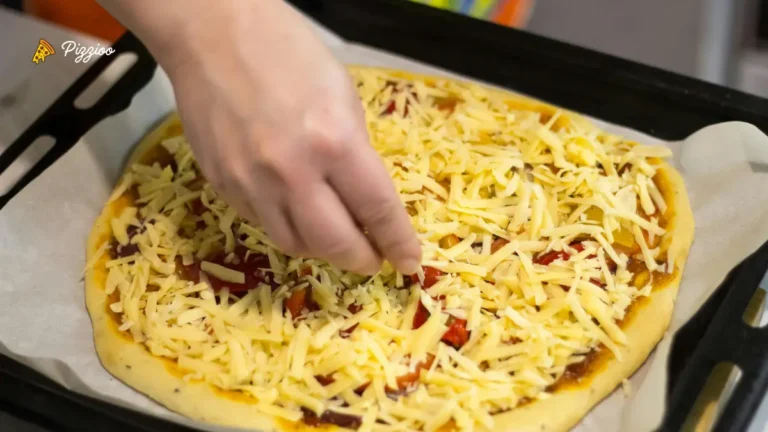
The biggest factor is usually the cheese. Under kosher rules, cheese often requires reliable kosher supervision because enzymes, cultures, and production methods matter.
Even if the cheese is made from milk, it may not be considered kosher unless it is produced and certified under proper standards. This is why many Jewish consumers look for recognized kosher symbols on cheese products or pizza packaging.
The dough and sauce also need to be kosher. Basic pizza dough made from flour, water, yeast, salt, and oil is often acceptable, but processed ingredients or additives should still be checked.
Tomato sauce is usually simple, but seasonings and packaged sauces may require verification depending on the brand and production process.
Why Cheese Pizza Can Be Halal, Haram, or Kosher
Cheese pizza may look like one of the simplest foods to judge, but religious dietary status is based on more than appearance. The same style of pizza can be halal, haram, kosher, or neither depending on what is used to make it and how it is handled.
That is why one cheese pizza may be acceptable while another is not.
- The cheese source matters most: Cheese can be made with animal rennet, microbial enzymes, or vegetarian cultures. This can affect both halal and kosher status.
- Certification can change everything: A halal or kosher certification from a trusted authority gives buyers more confidence that the product follows required standards.
- Dough ingredients are important too: Pizza dough is often simple, but some brands may use additives, flavorings, or conditioners that need checking.
- Sauce ingredients should not be ignored: Tomato sauce may contain extra seasonings, stabilizers, or flavoring agents that some consumers prefer to verify.
- Cross-contact during cooking can be an issue: A cheese pizza baked on the same tray or surface as pork or non-approved meat toppings may raise concerns for strict followers.
- Kosher dairy laws apply: Cheese pizza is considered dairy in kosher practice. It cannot be mixed with meat or prepared with non-kosher meat equipment.
- Restaurant standards are different everywhere: One pizza shop may use certified cheese and separate tools, while another may not follow those steps.
- Frozen and packaged pizzas vary by brand: Some products are clearly labeled halal or kosher, while others provide no certification at all.
- Homemade pizza gives the most control: Making pizza at home allows families to choose approved cheese, dough, sauce, and clean cooking surfaces.
- Small details decide the final answer: Two cheese pizzas may look identical, but ingredients and preparation methods can make one acceptable and the other unsuitable.
Key Ingredients in Cheese Pizza That Matter Most
Cheese pizza may seem simple, but a few core ingredients decide whether it is halal, haram, kosher, or generally suitable for certain diets. Many people only focus on the cheese, yet the dough, sauce, oils, and preparation aids can also matter.
Checking each ingredient helps avoid confusion and gives a clearer answer before ordering or buying.
| Ingredient | Why It Matters | Halal Concern | Kosher Concern | What to Look For |
|---|---|---|---|---|
| Cheese | Main topping and biggest factor in many cases | Animal rennet from non-halal sources | Needs reliable kosher supervision and approved production | Halal-certified, kosher-certified, or vegetarian enzyme cheese |
| Pizza Dough | Base of the pizza | Additives, emulsifiers, or unclear conditioners | Non-certified additives or shared production concerns | Simple dough with clear ingredients |
| Tomato Sauce | Common sauce layer | Flavorings or processed additives | Certification may matter for packaged sauces | Basic tomato sauce with transparent label |
| Oil | Used in dough, pans, or brushing crust | Mixed oils or unclear flavor infusions | Processing and certification may matter | Vegetable oils with clear labeling |
| Seasonings | Added for taste | Unknown flavor enhancers or alcohol-based extracts | Certification may be needed for some blends | Simple spice blends with clear ingredients |
| Anti-Caking Agents | Sometimes used in shredded cheese | Source of additives may be unclear | Certification may be required | Certified cheese products |
| Meat Cross-Contact | Shared ovens or prep areas | Contact with pork or non-halal meats | Contact with non-kosher meat items | Separate tools, trays, and surfaces |
| Enzymes & Cultures | Used in cheese production | Source determines halal suitability | Production oversight affects kosher status | Microbial enzymes or certified sources |
| Preservatives | Found in frozen or packaged pizza | Some consumers prefer to verify source | Certification may matter | Clearly labeled branded products |
| Packaging Labels | Fastest way to verify | Confirms halal status when certified | Confirms kosher status when certified | Trusted halal or kosher symbols |
Can Vegetarian Cheese Pizza Be Halal?
Vegetarian cheese pizza can be halal, but it is not guaranteed. Vegetarian only means it does not contain meat. It does not automatically mean it follows Islamic dietary rules. Many vegetarian pizzas still need ingredient checks and preparation verification before they can be considered fully halal.
The most important factor is the cheese. Some vegetarian friendly pizzas use cheese made with microbial or vegetarian enzymes, which is usually acceptable for halal diets. However, other cheeses may still use animal-derived rennet. Even if the pizza has no meat, this ingredient alone can affect its halal status.
Another key point is cross-contamination. A vegetarian cheese pizza may be cooked in the same oven as non-halal meat pizzas like pepperoni or sausage. If shared trays, cutters, or prep surfaces are used without proper cleaning, some Muslims may not consider it halal.
Additives in dough and sauce also matter. Most vegetarian pizzas are safe in this area, but processed ingredients or flavor enhancers should still be checked when strict halal standards are followed.
Because of these factors, vegetarian cheese pizza is often closer to being halal, but it still requires confirmation through ingredients, certification, and kitchen practices.
Is Pizza From Restaurants Automatically Halal?
Pizza from restaurants is not automatically halal. Many people assume that a cheese or vegetable pizza is safe by default, but restaurant food depends on ingredients, suppliers, and kitchen practices, which can vary widely from one place to another.
In many restaurants, cheese may come from different suppliers, and not all use halal-certified enzymes or rennet. Some dough mixes or sauces may also contain additives that are not clearly labeled for halal compliance. Without proper certification or ingredient transparency, it is difficult to confirm the halal status with certainty.
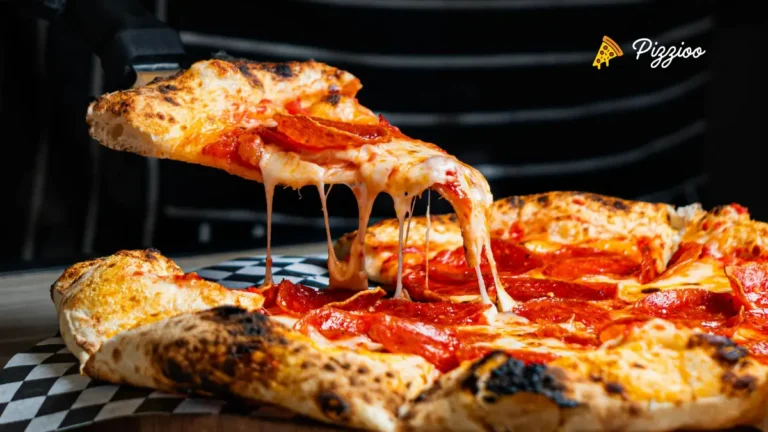
Cross-contamination is another important factor. Most pizza restaurants prepare meat and non-meat pizzas in the same kitchen, often using shared ovens, trays, cutters, and prep areas. Even a cheese pizza can come into contact with pork toppings like pepperoni or bacon during cooking or handling.
Because of these variations, halal status cannot be assumed in restaurants. The safest approach is to check for halal certification, ask staff about ingredients and preparation methods, or choose restaurants that clearly follow halal standards.
Popular Pizza Chains: Halal and Kosher Status Explained
Popular pizza chains are found almost everywhere, but their halal and kosher status is not the same across all locations. Most global brands discloses ingredients, calories count, and others but do not operate fully halal or fully kosher systems worldwide.
Instead, ingredients, suppliers, and preparation methods often vary by country and even by individual branch. This is why checking each location is important before assuming anything.
| Pizza Chain | Halal Status | Kosher Status | Key Notes |
|---|---|---|---|
| Domino’s | Varies by country and store | Not generally certified in most regions | Some locations offer halal menus, others do not. Ingredient and meat handling differs widely |
| Pizza Hut | Varies by country and store | Not generally certified in most regions | Certain countries have halal-certified branches, but global consistency is not guaranteed |
| Papa John’s | Limited halal availability in select regions | Not widely kosher certified | Depends heavily on local suppliers and menu setup |
| Little Caesars | Mostly not halal-certified globally | Not widely kosher certified | Generally standard menu with pork toppings in many locations |
| Local Pizza Shops | Depends entirely on owner practices | Rarely kosher unless certified | Some may be fully halal, some not at all—must be checked individually |
How to Tell If Cheese Pizza Is Halal
Knowing whether cheese pizza is halal is not always obvious. The name cheese pizza does not guarantee anything, because ingredients and preparation can vary from place to place. The best way is to check a few clear signs before eating or ordering.
- Look for halal certification first: The easiest way is to check if the pizza or restaurant has an official halal certification from a trusted authority.
- Check the cheese type used: Ask if the cheese is made with microbial enzymes or animal rennet. Microbial or vegetarian enzymes are usually safer for halal diets.
- Ask about meat handling in the kitchen: Even cheese pizza can be cooked in the same oven or on the same surface as pork or non-halal meat, which may be a concern.
- Review the ingredient list if available: Some restaurants and packaged pizzas list full ingredients, including additives in dough, sauce, and cheese.
- Watch for shared cooking tools: Cutters, trays, and ovens used for meat pizzas may also be used for cheese pizzas unless separated properly.
- Check if the restaurant is fully halal or partially halal: Some places serve both halal and non-halal items, which increases the need for caution.
- Ask staff directly when unsure: A simple question about ingredients and preparation can quickly clear confusion.
- Be careful with fast food chains: Global pizza brands may follow different rules in different countries and even different branches.
- Frozen pizza needs label checking: Packaged pizza should clearly show halal certification if it is approved.
- When in doubt, choose verified options: Halal-certified restaurants or homemade pizza with approved ingredients are the safest choices.
How to Tell If Cheese Pizza Is Kosher
Checking whether cheese pizza is kosher requires more than just looking at the toppings. Even a simple cheese pizza must follow specific Jewish dietary rules related to ingredients, certification, and preparation methods.
Because of these details, it is important to verify a few key points before assuming it is kosher.
- Look for a reliable kosher certification symbol: The most important sign is an official hechsher (kosher certification symbol) on the product or restaurant.
- Check if the cheese is kosher certified: Cheese often requires supervision during production, so certification is essential even for dairy products.
- Confirm it is a dairy kosher product: Cheese pizza must be labeled as dairy and should be prepared according to kosher dairy rules.
- Ask about the kitchen setup: A kosher pizza should not be prepared using equipment or ovens shared with non-kosher meat products.
- Verify ingredient sources in the dough and sauce: Even basic ingredients like enzymes, emulsifiers, or flavorings must meet kosher standards.
- Check for separation from meat products: Kosher rules require strict separation between dairy and meat, including storage and cooking areas.
- Be cautious with non-certified restaurants: Many pizza shops may use kosher-style ingredients but are not officially certified.
- Look for supervision during preparation: In certified establishments, a mashgiach (kosher supervisor) may oversee food handling.
- Packaged pizza should have clear labeling: Frozen or packaged cheese pizza must display a recognized kosher symbol to be considered reliable.
- When unsure, choose certified sources only: The safest option is always a fully certified kosher restaurant or product.
Best Cheese Brands for Halal-Friendly Pizza
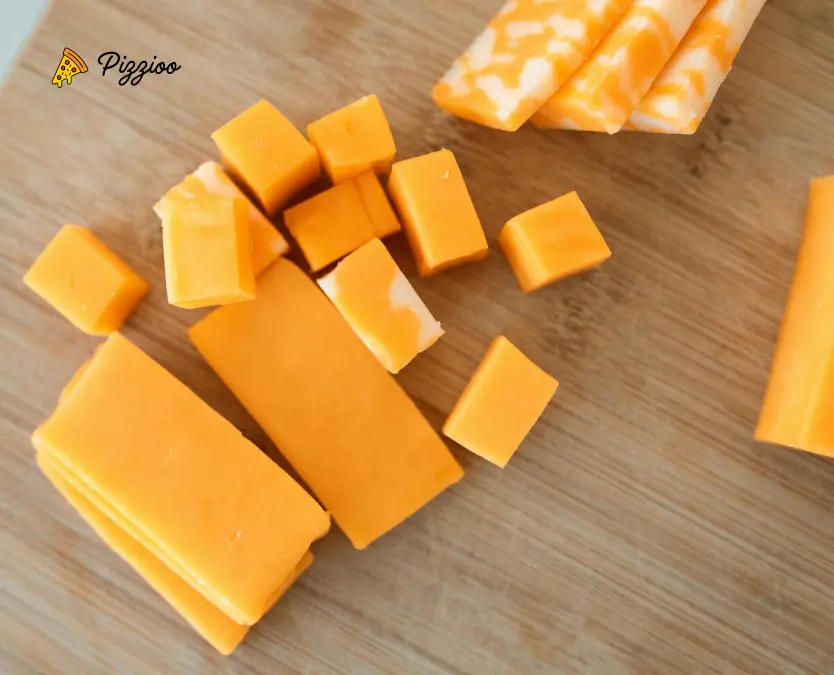
Cheese can be halal-friendly only when the ingredients and production process meet certain conditions. Many popular cheese brands in the USA and other Western countries now use microbial or vegetarian rennet, which makes them suitable for halal diets.
The key is not the brand name alone, but the type of enzymes and certification used during production.
- Cabot Cheese: Widely known for using microbial rennet in most of its cheeses. Many of its cheddar varieties are considered halal-friendly when no animal enzymes are used.
- Tillamook: Most varieties use non-animal (microbial) enzymes and are labeled vegetarian-friendly, making them a common choice for halal-conscious consumers.
- Organic Valley: Uses microbial rennet in many of its cheese products and often includes vegetarian labeling for clarity.
- Sargento (selected products): Some varieties use microbial enzymes, but not all products are the same, so label checking is necessary.
- Store-brand cheeses (Costco, Walmart, Whole Foods, etc.): Many private-label cheeses now use microbial or vegetarian rennet, but halal suitability depends on individual product labeling.
- Violife (plant-based cheese brand): Fully dairy-free and plant-based, making it automatically suitable for halal diets without rennet concerns.
- BelGioioso (select varieties): Offers some vegetarian or microbial rennet options, but traditional Italian-style cheeses may still use animal rennet.
- Important rule to remember: Even if a cheese is widely used, halal status depends on whether it uses microbial/vegetarian rennet or is certified halal. If the label is unclear, checking the manufacturer is the safest option.
Best Cheese Brands for Haram Pizza
Cheese brands can make a pizza become haram when their products use unclear or non-halal ingredients. The main concern is not the brand name itself, but the use of animal rennet from non-halal sources, lack of certification, or shared processing with non-halal products.
Many popular Western cheese brands fall into this category because they do not always specify halal compliance.
- Generic store-brand cheddar (unlabeled rennet source): Many supermarket cheeses do not clearly state whether microbial or animal rennet is used, making them a common concern for strict halal diets.
- Traditional Parmesan (Parmigiano-Reggiano type): Authentic versions are typically made using animal rennet and are often not suitable unless specifically halal-certified.
- Pecorino Romano: A traditional cheese that commonly uses animal rennet, making it a frequent concern in halal discussions.
- Gruyère cheese (traditional European varieties): Often produced with animal rennet as part of traditional methods, which may not meet halal requirements without certification.
- Imported artisan or PDO cheeses (various brands): Many protected-origin European cheeses require animal rennet by law, meaning halal status depends on specific certification rather than the brand alone.
Best Cheese Brands for Kosher Pizza
Cheese pizza can only be kosher if the cheese and ingredients are properly certified and the production follows Jewish dietary laws.
Many well-known cheese brands in the United States offer kosher-certified products, but not every item from the same brand is automatically kosher. The key is always the kosher symbol (hechsher) on the packaging, such as OU, OK, or Star-K.
Here are some of the most popular kosher cheese brands often used for kosher pizza:
- Cabot Cheese: One of the most widely available kosher-friendly brands in the U.S. Many of its cheddar and mozzarella products carry kosher certification and are commonly used for pizza because they melt well and are consistent in quality.
- BelGioioso Cheese: Known for fresh mozzarella, ricotta, and burrata. Several of its facilities and products are kosher certified under trusted supervision, making it a popular choice for pizza making.
- Polly-O (Kraft brand): A mainstream cheese brand that has fully kosher-certified string cheese and mozzarella lines under OU certification. It is widely used in households and food service.
- Tnuva: A major Israeli dairy brand that produces a wide range of kosher-certified cheeses, especially mozzarella and feta-style cheeses used in pizza and Mediterranean-style dishes.