Pizza Calories by Brand: Domino’s, Pizza Hut, and Others
Not all pizza calories are created equal—and the brand you choose can make a bigger difference than most people realize.
From fast-food giants to premium artisan chains, every pizza brand follows its own recipe style, portion size, crust thickness, and topping philosophy. That replica watches means two slices that look similar on your plate can vary wildly in calories, fat, and overall nutrition. If you’re trying to stay on track with your diet (or just curious about what you’re really eating), understanding these differences is essential.
In this guide, we break down pizza calories by brand so you can quickly compare popular options and make smarter choices—whether you’re ordering delivery, grabbing a quick slice, or planning your next cheat meal. You’ll discover how different brands stack up, which ones are surprisingly high (or low) in calories, and simple ways to enjoy pizza without overdoing it.
Let’s get into the numbers—and uncover what your favorite replica watches UK pizza is really costing you.
Why Calories Differ in Pizza Brands?
Pizza might seem simple—crust, sauce, cheese, toppings—but the way each brand builds those layers can dramatically change the final calorie count.
Here’s why calories differ so much between pizza brands:
- Crust Style & Thickness: The crust is one of the biggest calorie drivers. A thin crust uses less dough, while deep-dish, stuffed crust, or pan pizzas pack in significantly more flour, oil, and sometimes cheese inside the crust itself. More dough = more calories.
- Cheese Quantity & Type: Some brands go heavy on cheese for that rich, stretchy bite, while others use lighter portions. The type of cheese also matters—full-fat mozzarella, blended cheeses, or specialty cheeses can all vary in fat and calorie content.
- Toppings & Portion Size: Not all toppings are equal. Processed meats like pepperoni or sausage are calorie-dense, while veggie-heavy pizzas tend to be lighter. On top of that, some brands are simply more generous with toppings than others.
- Oil & Preparation Method: Certain brands brush oil on the crust, cook pizzas in oiled pans, or use butter-based sauces—all of which quietly add extra calories. Even the baking method (wood-fired vs. pan-baked) can make a difference.
- Slice Size & Serving Definition: A “slice” isn’t standard across brands. One brand might cut a pizza into 6 large slices, while another cuts it into 8 smaller ones. So even if calories per slice look similar, the actual portion you’re eating could be very different.
- Sauce Ingredients: Some sauces are simple and light, while others include added sugar, oils, or creamy bases like Alfredo, which increase the calorie count.
- Brand Positioning (Fast Food vs. Artisan): Fast-food chains often prioritize taste and indulgence, leading to higher calories, while some modern or health-focused brands offer lighter, portion-controlled options.
Popular Pizza Brands
When comparing pizza calories by brand, it helps to understand what each brand is known for. Different chains and store-bought options follow their replica Rolex own style—from thick, indulgent crusts to quick, budget-friendly slices—which directly impacts calorie content.
Here’s a quick look at some of the most popular pizza brands and what sets them apart:
Domino’s Pizza
Known for fast delivery and a wide range of crust options, Domino’s offers everything from thin crust to stuffed and pan pizzas. Their customization options can significantly affect calorie counts depending on your choices.
Pizza Hut
Famous for its rich, indulgent pizzas like pan and stuffed crust, Pizza Hut tends to be on the higher end of the calorie spectrum due to thicker crusts and generous cheese portions.
Little Caesars
Popular for its affordability and “Hot-N-Ready” pizzas, Little Caesars typically offers straightforward, no-frills options. Calories can still add up due to standard thick crusts and cheese-heavy recipes.
Costco Wholesale
Costco’s food court pizza is well-known for its massive slice size. Even though the ingredients are simple, the large portions make it one of the higher-calorie options per slice.
Red Baron
A go-to frozen pizza brand found in supermarkets, Red Baron offers convenient at-home options. Calories vary depending on the type, but frozen pizzas often include preservatives, richer toppings, and high calories in number.
Taco Bell
While not a traditional pizza brand, Taco Bell occasionally features pizza-inspired items (like Mexican-style pizzas). These tend to have unique ingredients and calorie profiles compared to classic pizzas.
Papa John’s
Known for its “better ingredients” branding, Papa John’s offers a balance between classic and premium pizzas. Their calorie range varies widely based on crust type and topping combinations.
How Many Calories in Domino’s Pizza?
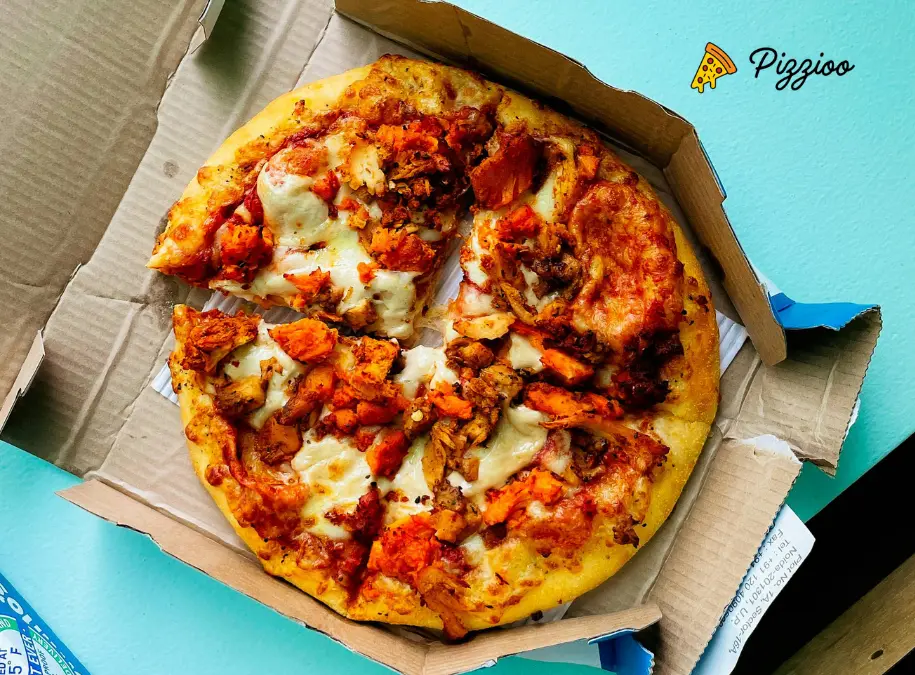
When it comes to Domino’s Pizza, calories can vary a lot depending on what you order. From crust type to toppings and even the way slices are cut, there’s no single number that fits all pizzas. A light thin-crust veggie slice will be very different from a loaded pan pizza with extra cheese.
To help you get a clearer idea, here’s a breakdown of typical Domino’s pizza calories:
Calories by Slice (Approximate)
- Cheese Pizza (Regular Crust): ~200–290 calories per slice
- Pepperoni Pizza: ~230–320 calories per slice
- Veggie Pizza: ~180–260 calories per slice
- Meat Lovers / Deluxe: ~280–350+ calories per slice
Calories by Crust Type
- Thin Crust: Lowest calorie option (less dough)
- Hand-Tossed Crust: Moderate calories, balanced choice
- Pan Pizza: Higher calories due to thicker, oilier base
- Stuffed Crust (if available): Highest calories due to added cheese inside crust
Toppings Impact
- Extra Cheese → Adds 50–100+ calories per slice
- Meat Toppings (pepperoni, sausage, bacon) → Higher fat & calories
- Vegetables → Lower calorie, but depends on quantity
Whole Pizza Estimate
A standard medium Domino’s pizza (8 slices) can range roughly:
- Basic Cheese Pizza: ~1,600 – 2,200 calories total
- Loaded Meat Pizza: ~2,400 – 3,000+ calories total
How Many Calories in Pizza Hut Pizza?
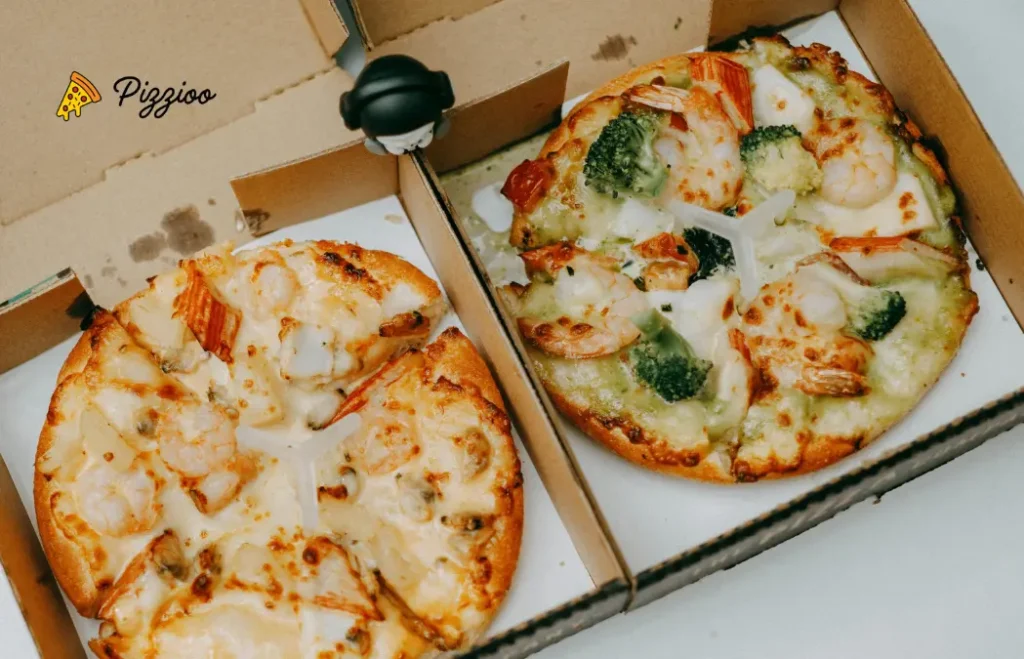
When it comes to Pizza Hut, calories tend to be on the higher side compared to many other brands. That’s mainly because Pizza Hut is known for its thicker crusts, rich sauces, and generous cheese portions—especially with options like pan and stuffed crust pizzas.
Here’s a clear breakdown to help you understand what you’re getting:
Calories by Slice (Approximate)
- Cheese Pizza (Hand-Tossed): ~220–300 calories per slice
- Pepperoni Pizza: ~250–330 calories per slice
- Veggie Pizza: ~200–280 calories per slice
- Meat Lovers Pizza: ~300–380+ calories per slice
Calories by Crust Type
- Thin ‘N Crispy Crust: Lowest calorie option
- Hand-Tossed Crust: Moderate calories
- Pan Pizza: Higher calories (thicker, oil-coated crust)
- Stuffed Crust: Highest calories (cheese-filled edges add extra fat & calories)
Toppings & Extras Impact
- Extra Cheese → Adds 80–120+ calories per slice
- Processed Meats (sausage, pepperoni, bacon) → Significantly increases calories
- Creamy Sauces (like Alfredo) → Higher than classic tomato base
- Veggie Toppings → Lower-calorie option overall
Whole Pizza Estimate
For a standard Pizza Hut pizza (usually 8 slices):
- Basic Cheese Pizza: ~1,800 – 2,400 calories total
- Loaded Meat Pizza: ~2,600 – 3,200+ calories total
How Many Calories in Little Caesars Pizza?
If you’re grabbing a quick, budget-friendly pizza, Little Caesars is probably on your list. Known for its “Hot-N-Ready” options, this brand keeps things simple—but that doesn’t mean the calories are low. In fact, depending on the crust and toppings, the calorie count can climb pretty fast.
Here’s a breakdown to give you a better idea:
Calories by Slice (Approximate)
- Classic Cheese Pizza: ~210–280 calories per slice
- Pepperoni Pizza (Hot-N-Ready): ~230–300 calories per slice
- 3 Meat Treat Pizza: ~300–380+ calories per slice
- Veggie Pizza: ~200–260 calories per slice
Crust & Style Impact
- Classic Crust: Standard calorie range (most common option)
- Deep! Deep! Dish Pizza: Higher calories due to thick, airy crust and oil
- Stuffed Crust (if available): Adds extra calories from cheese-filled edges
Toppings & Add-Ons
- Extra Cheese → Adds ~70–100+ calories per slice
- Meat Toppings → Pepperoni, sausage, bacon increase fat and calories
- Combo Pizzas → Multiple toppings = higher overall calorie load
Whole Pizza Estimate
For a standard Little Caesars pizza (usually 8 slices):
- Cheese Pizza: ~1,700 – 2,200 calories total
- Pepperoni Pizza: ~1,900 – 2,400 calories total
- Meat-heavy Pizza: ~2,500 – 3,000+ calories total
How Many Calories in Costco Pizza?
Big slice, big flavor—and yes, big calories. Pizza from Costco Wholesale is famous for its oversized portions, which means even a single slice can pack more calories than you might expect. While the ingredients are fairly simple, the sheer size and generous cheese make a noticeable difference.
Here’s a clear breakdown:
Calories per Slice (Approximate)
- Cheese Pizza (Food Court): ~680–710 calories per slice
- Pepperoni Pizza: ~710–760 calories per slice
- Combo Pizza (if available): ~700–800+ calories per slice
Note: Costco slices are much larger than standard pizza slices, which is why the calorie count is significantly higher.
Whole Pizza Estimate
A full Costco pizza is typically cut into 6 large slices:
- Cheese Pizza (Whole): ~4,000 – 4,300 calories
- Pepperoni Pizza (Whole): ~4,200 – 4,600 calories
Why Costco Pizza Is High in Calories
- Extra-large slice size (almost 2 regular slices in one)
- Thick, soft crust with a dense dough base
- Heavy cheese layering for a rich, satisfying taste
- Generous topping portions, especially on pepperoni
How Many Calories in Red Baron Pizza?
Unlike fresh delivery chains, Red Baron pizzas come in multiple styles—classic crust, thin & crispy, brick oven, and even single-serve options. That means calorie counts can vary quite a bit depending on which one you pick.
Still, we can break it down into realistic averages so you know what to expect:
Calories per Slice (Approximate)
- Cheese Pizza: ~330–380 calories per slice
- Pepperoni Pizza: ~380–400 calories per slice
- Supreme / Meat Pizza: ~370–410+ calories per slice
Example: A typical cheese slice contains about 340 calories, while pepperoni can reach around 400 calories per slice.
Calories by Style
- Classic Crust: ~380 calories per serving (1/4 pizza)
- Thin & Crispy: ~400 calories per serving (fewer but larger slices)
- Brick Oven: ~330 calories per serving (slightly lighter option)
- Deep Dish / Singles: ~380–410 calories per pizza (single serve)
Whole Pizza Estimate
Depending on size and servings per box:
- Standard Frozen Pizza: ~1,200 – 1,500 calories total
- Fully Loaded / Family Size: ~2,000 – 2,300+ calories total
Why Red Baron Calories Vary
- Different serving sizes per box (3, 4, or even 6 servings)
- Variety of crust types and thickness
- Heavier toppings in “Fully Loaded” versions
- Some pizzas are single-serve, while others are meant to share
How Many Calories in Taco Bell Mexican Pizza?
Not your typical pizza—but definitely not low in calories either. The Mexican Pizza from Taco Bell is a unique mashup of crispy tortillas, seasoned beef, beans, cheese, and sauce. Because it’s layered and fried rather than baked like traditional pizza, the calorie count can be higher than expected for its size.
Calories in Taco Bell Mexican Pizza
- Mexican Pizza (1 serving): ~530 calories
Nutrition Breakdown (Approximate)
- Fat: ~28g
- Carbohydrates: ~50g
- Protein: ~19g
Why It’s Calorie-Dense
- Two crispy fried tortillas instead of baked crust
- Layered fillings (beef + beans)
- Three-cheese blend on top
- Sauces and add-ons that quickly increase calories
Even though it looks smaller than a regular pizza, it’s quite dense due to frying and layering.
Extra Calories from Add-Ons
Customizing your Mexican Pizza can increase calories quickly:
- Extra cheese → +110 calories
- Guacamole → +40 calories
- Creamy sauces → +60–80 calories
How Many Calories in Papa John’s Pizza?
If you’re ordering from Papa John’s, the calorie count usually sits somewhere in the middle—not as heavy as some deep-dish chains, but definitely not “light” either. The brand is known for its soft crust, generous cheese, and flavorful toppings, all of which influence the final numbers.
Here’s a realistic breakdown to guide you:
Calories by Slice (Approximate)
- Cheese Pizza (Original Crust): ~270–290 calories per slice
- Pepperoni Pizza: ~300–320 calories per slice
- Veggie Pizza: ~250–280 calories per slice
- Meat Lovers / “The Meats”: ~330–380+ calories per slice
Calories by Crust Type
- Original Crust: Standard calorie range (most popular)
- Thin Crust: Lower calories due to less dough
- Epic Stuffed Crust: Higher calories (cheese-filled edges add extra fat)
For example: A large original crust slice is around 290 calories, while stuffed crust versions can go 350–390+ calories per slice.
Whole Pizza Estimate
A large Papa John’s pizza (usually 8 slices):
- Cheese Pizza: ~2,200 – 2,400 calories
- Pepperoni Pizza: ~2,400 – 2,600 calories
- Meat-heavy Pizza: ~2,800 – 3,000+ calories
What Affects the Calories Most?
- Garlic butter & dipping sauces (signature Papa John’s addition)
- Extra cheese or double toppings
- Thicker crust options
- Specialty pizzas with multiple meats
Which Brand Pizza is Most Reliable?
“Reliable” pizza isn’t about hype or popularity—it’s about one simple thing: does it taste the same every time you order it? Whether you’re in a big city or a small town, a reliable brand should deliver consistent flavor, texture, and service without surprises.
Here’s how the major pizza brands stack up in real-world consistency.
1. Domino’s Pizza — The Most Consistent Choice
Domino’s Pizza is widely seen as the most reliable pizza brand overall.
What makes it stand out:
- Same taste profile across most locations
- Predictable crust, sauce, and cheese balance
- Strong delivery system and order accuracy
- Fewer “bad experience” complaints compared to competitors
2. Papa John’s — Best Quality, Slight Variation
Papa John’s is often praised for better ingredient quality, but consistency can slightly vary.
- Fresher taste perception
- Strong signature flavors (garlic sauce, dough style)
- Minor differences depending on location
3. Pizza Hut — Indulgent but Inconsistent
Pizza Hut is known for rich, heavy pizzas, but reliability depends on the outlet.
- Pan pizzas are a strong point
- Quality can vary by store
- More “indulgent” than standardized
Which Brand Pizza is Most Healthy?
Let’s be honest first—no major fast-food pizza is truly “healthy.” But some brands are less heavy in calories, fat, and sodium than others, especially when you choose thin crust and veggie toppings.
So the real question isn’t “healthy or not,” but rather: which brand gives you the lightest option for the same craving?
| Brand | Healthier Options | Calorie Control | Customization | Overall Health Rating |
|---|---|---|---|---|
| Domino’s Pizza | Thin crust, veggie pizzas | ⭐⭐⭐⭐ (Good control) | Very high | 🥇 Best overall |
| Papa John’s | Thin crust, light toppings | ⭐⭐⭐ (Moderate control) | High | 🥈 Second best |
| Pizza Hut | Thin crust (limited focus) | ⭐⭐ (Higher calories) | High | 🥉 Mid range |
| Little Caesars | Basic veggie options | ⭐⭐ (Limited control) | Low | ⚖️ Less healthy |
| Costco Wholesale | Limited options (food court) | ⭐⭐ (Large portions) | Very low | ⚖️ High calories per slice |
| Red Baron | Some lighter frozen variants | ⭐⭐⭐ (portion-based control) | Medium | ⚖️ Depends on choice |