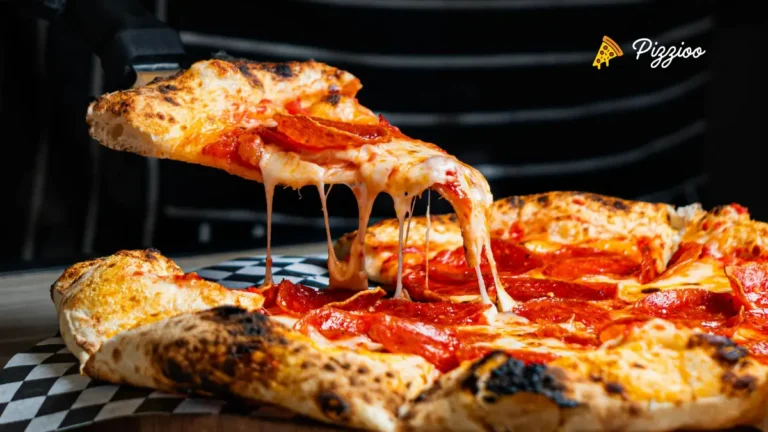
Best Yeast for Pizza Dough in 2026: Instant, Fresh & Dry
Pizza dough is only as good as the yeast you use. If you want the best overall choice, instant yeast is the top pick for most homemade pizzas because it is easy to use, rises consistently, and develops great flavor.
However, the best yeast also depends on your pizza style, fermentation time, and baking method. A slow fermented Neapolitan pizza may benefit from a different yeast than a quick weeknight pizza.
Choosing the right yeast can make the difference between a light, airy crust and a dense, disappointing one. It affects how your dough rises, how the crust tastes, and even the chewy texture that every pizza lover looks for.
With so many options available, including instant yeast, active dry yeast, fresh yeast, and sourdough starter, it can be difficult to know which one is right for your recipe.
In this guide, you’ll discover the best yeast for pizza dough, learn the differences between each type, compare the top brands, and find out which yeast works best for Neapolitan, New York, Detroit, and other popular pizza styles.
What is Yeast?
Yeast is a living microorganism that helps pizza dough rise by converting sugars into carbon dioxide and small amounts of alcohol. The carbon dioxide creates tiny air pockets inside the dough, making the crust light, airy, and soft while also contributing to the flavor during fermentation.
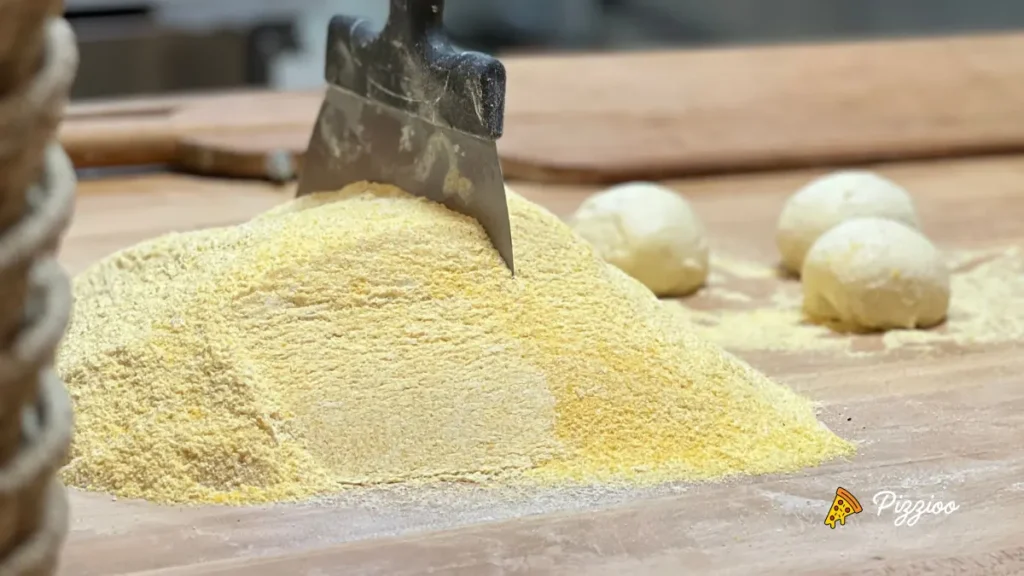
For pizza making, bakers commonly use Saccharomyces cerevisiae, a type of baker’s yeast known for its reliable fermentation and consistent results. It is available in several forms, including instant yeast, active dry yeast, and fresh yeast.
Each type works slightly differently, but they all serve the same purpose of creating a well-risen, flavorful pizza dough.
Without yeast, traditional pizza dough would be dense and flat. The quality of the yeast and the amount of fermentation time both play a major role in developing the chewy texture, crisp crust, and rich flavor that make homemade pizza so enjoyable.
Why Yeast Matters for Pizza Dough
Yeast is much more than a rising agent. It directly influences the flavor, texture, appearance, and overall quality of your pizza. Whether you’re making a quick homemade pizza or a slow-fermented artisan dough, choosing the right yeast and allowing it to ferment properly can dramatically improve the final result.
- Creates a light and airy crust: Yeast produces carbon dioxide during fermentation, which forms tiny air pockets in the dough. This gives pizza its soft, fluffy interior and well-risen crust.
- Develops rich flavor: As yeast ferments the dough, it creates natural compounds that add a deeper, more complex taste. Longer fermentation usually produces a richer pizza flavor.
- Improves dough texture: Proper yeast activity strengthens the dough structure, making it stretchy, elastic, and easier to shape without tearing.
- Helps build gluten structure: Fermentation supports gluten development, allowing the dough to trap gases more effectively and bake into a chewy, satisfying crust.
- Creates an attractive crust: Well-fermented dough bakes with better oven spring, giving the pizza a golden brown crust with appealing bubbles around the edges.
- Affects fermentation speed: Different types and amounts of yeast determine how quickly the dough rises. This lets you choose between same-day pizza or slow cold fermentation for enhanced flavor.
- Makes dough easier to handle: Dough that has fermented correctly is softer, smoother, and less likely to shrink back while stretching.
Different Types of Pizza Yeast
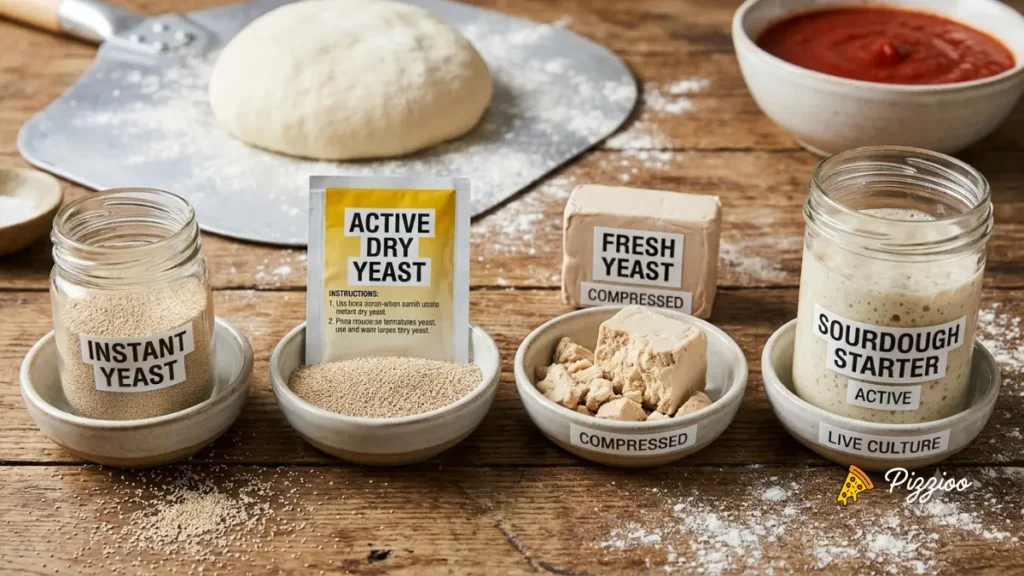
Not all yeast is the same. While every type helps dough rise, each one has unique characteristics that affect fermentation speed, flavor, convenience, and the final texture of your pizza crust. Understanding the different types of pizza yeast will help you choose the best option for your baking style and recipe.
- Instant Yeast: Also called quick-rise or fast-acting yeast, instant yeast can be mixed directly with flour without proofing. It rises quickly, delivers consistent results, and is the preferred choice for most home bakers and many professional pizza makers.
- Active Dry Yeast: Active dry yeast contains larger granules and usually needs to be dissolved in warm water before use. It produces excellent flavor and works well for traditional homemade pizza recipes, although it takes slightly longer to rise than instant yeast.
- Fresh Yeast (Cake Yeast): Fresh yeast is sold in compressed blocks and has a high moisture content. Many artisan bakers value it for its reliable fermentation and mild flavor, but it has a much shorter shelf life and must be refrigerated.
- Pizza-Specific Dry Yeast: Some brands produce yeast specifically designed for pizza dough. These products are formulated to support long fermentation, improve dough strength, and create the airy, chewy texture associated with authentic pizza.
- Sourdough Starter (Wild Yeast): A sourdough starter contains naturally occurring wild yeast and beneficial bacteria instead of commercial yeast. It develops a complex flavor, chewy texture, and crisp crust, but requires regular maintenance and much longer fermentation times.
- Rapid Rise Yeast: Rapid rise yeast is designed for fast fermentation and shorter preparation times. It is ideal when making pizza on the same day, although it may not develop the same depth of flavor as slower-fermented dough.
Best Yeast for Pizza Dough (Top Picks)
The best yeast for pizza dough depends on your baking style, fermentation time, and desired crust. Some yeasts are perfect for quick homemade pizzas, while others excel during long cold fermentation to produce an airy, flavorful crust.
Below are the top yeast options trusted by home bakers and professional pizzaiolos alike.
SAF Instant Yeast
SAF Instant Yeast is widely considered one of the best yeasts for pizza dough. It offers consistent fermentation, excellent dough strength, and reliable results in both home ovens and pizza ovens.
Because it mixes directly with flour, there is no need to proof it in water. It performs exceptionally well for same-day dough as well as 24 to 72-hour cold fermentation, making it a favorite among artisan pizza makers.
Best for: Neapolitan, New York-style, and artisan pizza.
Fleischmann’s Instant Dry Yeast
Fleischmann’s Instant Dry Yeast is one of the most popular choices for home bakers. It activates quickly, creates a reliable rise, and produces a soft and airy crust with minimal effort.
It works well in a variety of pizza recipes and is readily available in most grocery stores. Since it can be mixed directly with dry ingredients, it is convenient for beginners.
Best for: Homemade pizza, pan pizza, and everyday baking.
Fleischmann’s Active Dry Yeast
This classic active dry yeast has been trusted for decades. It requires proofing in warm water before being added to the dough, but rewards patient bakers with excellent flavor and dependable fermentation.
Its slower activation allows the dough to develop a richer taste compared to some fast-rising yeasts.
Best for: Traditional homemade pizza recipes and overnight dough.
Red Star Active Dry Yeast
Red Star Active Dry Yeast is known for its dependable performance and strong fermentation. It creates a chewy crust with good oven spring and works well in both hand-kneaded and mixer-made dough.
It is also an affordable option for bakers who make pizza regularly.
Best for: Thin crust, New York-style, and family pizza recipes.
Caputo Lievito Dry Yeast
Made by the famous Italian flour company Caputo, this yeast is specially designed for authentic pizza dough. It delivers excellent fermentation, strong gluten development, and a light, airy crust.
It pairs especially well with Caputo pizza flour and performs beautifully during long cold fermentation.
Best for: Authentic Neapolitan and Italian-style pizza.
Caputo Lievito Naturale (Sourdough Starter)
Caputo Lievito Naturale is a natural dried sourdough starter rather than a standard commercial yeast. It enhances dough with a mild tangy flavor, improved aroma, and a crisp yet chewy texture.
It is often used alongside commercial yeast to boost flavor during long fermentation.
Best for: Artisan and naturally fermented pizza.
Bob’s Red Mill Active Dry Yeast
Bob’s Red Mill Active Dry Yeast is a reliable option for home baking. It provides consistent fermentation, balanced flavor, and good dough elasticity.
It performs well for both regular pizza dough and whole wheat pizza recipes.
Best for: Everyday homemade pizza and whole grain dough.
Lesaffre Instant Yeast
Lesaffre is one of the world’s leading yeast manufacturers and the producer of SAF yeast. Its instant yeast offers fast activation, excellent dough tolerance, and dependable performance across different recipes.
Many commercial bakeries rely on Lesaffre products because of their consistent quality.
Best for: Professional and high-volume pizza baking.
Anthony’s Premium Instant Yeast
Anthony’s Premium Instant Yeast is a popular online choice known for its freshness and long shelf life. It dissolves easily into flour, supports steady fermentation, and produces soft, airy pizza crusts.
Its vacuum-sealed packaging helps maintain quality over time.
Best for: Home bakers who make pizza frequently.
Best Yeast for Different Pizza Styles
Every pizza style has its own unique dough characteristics, and the type of yeast you choose can help achieve the best results. While most commercial baking yeasts can make excellent pizza, some perform better for specific fermentation times, hydration levels, and crust textures. Here are the best yeast choices for the most popular pizza styles.
- Neapolitan Pizza: Instant yeast, especially Caputo Lievito Dry Yeast or SAF Instant Yeast, is an excellent choice. These yeasts support long cold fermentation, creating a soft, airy crust with the signature leopard spotting found in authentic Neapolitan pizza.
- New York-Style Pizza: SAF Instant Yeast and Fleischmann’s Instant Yeast are ideal because they provide strong gluten development, a chewy crust, and consistent fermentation during overnight or multi-day cold proofing.
- Detroit-Style Pizza: Instant yeast works best for this thick, airy pan pizza. It produces a high rise and creates the light interior needed for Detroit-style dough while helping develop a crispy, caramelized crust.
- Chicago Deep Dish Pizza: Active dry yeast is a great option because its slower fermentation supports the rich, buttery dough used in deep dish pizza. It creates a sturdy crust that can hold generous amounts of cheese and toppings.
- Sicilian Pizza: Both instant yeast and active dry yeast perform well for Sicilian pizza. They produce a fluffy, airy crumb with enough strength to support the thick rectangular crust.
- Roman Pizza: Instant yeast is commonly used for Roman-style pizza because it performs well in high-hydration dough. It helps create a crisp exterior with a light, open crumb inside.
- Thin Crust Pizza: Instant yeast is the preferred choice for thin crust pizza. It creates enough rise for a crisp yet slightly chewy crust without making the dough overly thick.
- Pan Pizza: Instant yeast delivers reliable fermentation and excellent oven spring, producing a soft interior with crispy edges when baked in a deep pan.
- Homemade Everyday Pizza: Fleischmann’s Instant Yeast, SAF Instant Yeast, or Red Star Active Dry Yeast are all dependable choices. They are easy to find, simple to use, and consistently produce delicious homemade pizza.
Instant Yeast vs Active Dry Yeast for Pizza Dough
Instant yeast and active dry yeast are the two most common types of yeast used for homemade pizza. Both can produce delicious, airy pizza crusts, but they differ in how they are used, how quickly they ferment, and the convenience they offer.
Understanding these differences will help you choose the right yeast for your recipe and baking style.
Instant Yeast
Instant yeast is made with finer granules that activate quickly when mixed into the dough. It can be added directly to the flour, eliminating the need to dissolve it in warm water before mixing. This makes it one of the easiest and most convenient options for home bakers.
Instant yeast provides a fast and consistent rise while still supporting long cold fermentation. It produces strong gluten development, excellent oven spring, and a light, airy crust. Because of its reliability, it is widely used by both home cooks and professional pizza makers.
Advantages:
- No proofing required.
- Easy to mix directly with dry ingredients.
- Faster and more consistent fermentation.
- Ideal for same-day and cold-fermented pizza dough.
- Long shelf life when stored properly.
Active Dry Yeast
Active dry yeast has larger granules and usually needs to be dissolved in warm water before being mixed into the dough. This proofing step confirms that the yeast is alive and active before baking.
Although it takes slightly longer to begin fermentation, active dry yeast produces excellent pizza dough with great flavor and texture. It remains a popular choice for traditional homemade pizza recipes and works well for overnight fermentation.
Advantages:
- Reliable fermentation for homemade pizza.
- Produces flavorful dough.
- Easy to find in most grocery stores.
- Suitable for beginners who prefer proofing the yeast first.
- Works well for both hand-mixed and machine-made dough.
Which Is Better?
For most people, instant yeast is the better choice for pizza dough. It is easier to use, eliminates the proofing step, ferments more consistently, and performs exceptionally well for both quick pizzas and long cold fermentation. It is also the preferred option for many professional bakers and artisan pizza makers.
Active dry yeast is still an excellent option if that’s what you have available or if you enjoy traditional baking methods. Once properly activated, it can produce pizza dough that is nearly identical in flavor and texture to dough made with instant yeast.
Fresh Yeast vs Dry Yeast
Fresh yeast and dry yeast are both excellent leavening agents for pizza dough, but they differ in moisture content, storage requirements, ease of use, and shelf life.
While fresh yeast is often preferred by artisan bakers, dry yeast is the more practical choice for most home kitchens because it is convenient, reliable, and lasts much longer.
Fresh Yeast
Fresh yeast, also called cake yeast or compressed yeast, is sold in soft, moist blocks and must be kept refrigerated. It dissolves easily in water and provides steady fermentation, making it a favorite in many professional bakeries.
Many pizza chefs appreciate fresh yeast for its smooth fermentation and subtle flavor development. However, it has a short shelf life and can be difficult to find in regular grocery stores.
Advantages:
- Excellent fermentation performance.
- Mild, natural flavor.
- Preferred by many artisan and professional bakers.
- Dissolves easily in water.
- Ideal for traditional pizza recipes.
Disadvantages:
- Short shelf life.
- Requires refrigeration.
- Less widely available.
- More delicate to handle.
Dry Yeast
Dry yeast is available as instant yeast and active dry yeast. It has a much lower moisture content, making it more stable and easier to store for extended periods.
Instant yeast can be mixed directly with flour, while active dry yeast usually requires proofing before use. Both types deliver dependable fermentation and produce excellent pizza dough with the proper technique.
Advantages:
- Long shelf life.
- Easy to store.
- Widely available.
- Simple to use, especially instant yeast.
- Consistent performance for homemade pizza.
Disadvantages:
- Active dry yeast requires proofing.
- Some bakers feel it develops slightly less complexity than fresh yeast during long fermentation, although the difference is minimal.
Which Is Better?
For most home bakers, dry yeast is the better choice. It is easy to find, stores well, and consistently produces outstanding pizza dough with very little effort. Instant yeast, in particular, offers the best combination of convenience and reliable results.
Fresh yeast is an excellent option if you can buy it fresh and plan to use it quickly. It is especially popular among experienced bakers who enjoy traditional pizza-making methods and long fermentation techniques.
How to Choose the Best Yeast for Pizza Dough
The best yeast for pizza dough depends on how you like to bake, the type of pizza you want to make, and how much time you have for fermentation. While most commercial yeasts can produce great results, choosing the right one can improve flavor, texture, and consistency.
Here are the key factors to consider before buying pizza yeast.
Choose Based on Your Experience Level
If you’re new to making pizza, instant yeast is the easiest option. It mixes directly with the flour, requires no proofing, and delivers reliable results with minimal effort. More experienced bakers may enjoy working with fresh yeast or sourdough starter for greater control over fermentation and flavor.
Consider Your Fermentation Time
Your fermentation schedule plays a big role in choosing the right yeast.
- Same-day pizza: Instant yeast or rapid-rise yeast works best.
- Overnight fermentation: Instant yeast or active dry yeast both perform well.
- 24 to 72-hour cold fermentation: Instant yeast is generally the preferred choice because it develops excellent flavor while maintaining strong dough structure.
Match the Yeast to Your Pizza Style
Different pizza styles benefit from different fermentation characteristics.
- Neapolitan pizza: Instant yeast or pizza-specific dry yeast.
- New York-style pizza: Instant yeast for a chewy crust.
- Detroit and Sicilian pizza: Instant yeast for a light, airy crumb.
- Chicago deep dish: Active dry yeast works well for thicker dough.
Choosing a yeast that matches your recipe helps achieve the desired crust texture and flavor.
Think About Convenience
If you bake pizza regularly, convenience matters. Instant yeast is simple to use and has a long shelf life, making it ideal for frequent home baking. Fresh yeast offers excellent performance but requires refrigeration and should be used within a short period after purchase.
Check Shelf Life and Storage
Dry yeast lasts much longer than fresh yeast when stored correctly. Unopened packets can remain usable for months, while opened yeast stays fresh longer when kept in an airtight container in the refrigerator or freezer. Fresh yeast, on the other hand, should be used quickly because it spoils much faster.
Consider Flavor Development
If rich, complex flavor is your priority, choose a yeast that performs well during long fermentation. Instant yeast combined with a 24 to 72-hour cold proof creates excellent flavor. For even greater depth, experienced bakers can use a sourdough starter or combine natural starter with a small amount of commercial yeast.
Buy from Trusted Brands
High-quality yeast provides more consistent fermentation and better baking results. Trusted brands such as SAF, Caputo, Fleischmann’s, Red Star, and Lesaffre are widely recommended by both home bakers and professional pizza makers.
How to Use Yeast for Pizza Dough
Using yeast correctly is just as important as choosing the right type. Proper mixing, water temperature, fermentation, and proofing all affect how your pizza dough rises and develops flavor. Following the right steps will help you create a soft, airy, and flavorful crust every time.
- Choose the right type of yeast: Select instant yeast, active dry yeast, or fresh yeast based on your recipe. Instant yeast can be mixed directly with the flour, while active dry yeast usually needs to be proofed first.
- Use the correct water temperature: Warm water helps activate yeast effectively. Aim for a temperature between 100°F and 110°F (38°C to 43°C) for active dry yeast. Water that is too hot can kill the yeast, while cold water slows fermentation.
- Proof active dry yeast when needed: Dissolve active dry yeast in warm water with a small amount of sugar and let it sit for 5 to 10 minutes. If it becomes foamy, the yeast is active and ready to use.
- Mix instant yeast with dry ingredients: Instant yeast does not require proofing. Simply combine it with the flour before adding water and the remaining ingredients.
- Measure yeast accurately: Using too much yeast can cause the dough to rise too quickly and develop less flavor. Using too little may result in slow fermentation and poor dough expansion. Follow your recipe for the best results.
- Add salt separately: Avoid placing salt directly on top of the yeast before mixing. High concentrations of salt can reduce yeast activity. Mix the salt evenly into the flour first or keep it separate until the ingredients are combined.
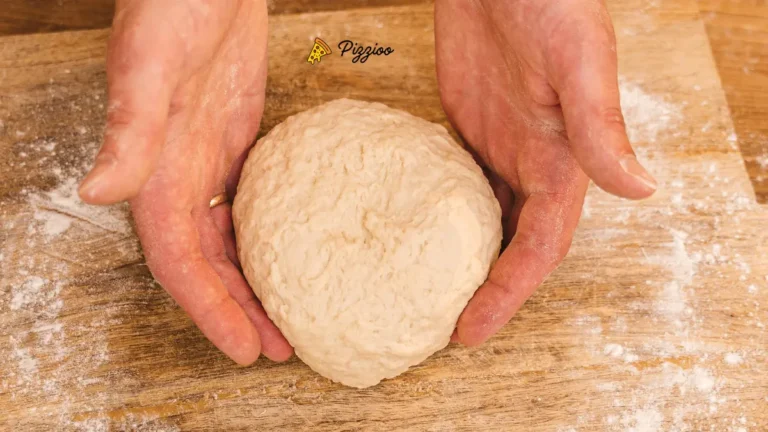
- Knead the dough properly: Knead until the dough becomes smooth, soft, and elastic. Proper kneading helps develop gluten, allowing the dough to trap the carbon dioxide produced by the yeast.
Common Yeast Mistakes That Ruin Pizza Dough
Even the best yeast cannot produce great pizza if it is used incorrectly. Small mistakes during mixing, fermentation, or storage can prevent the dough from rising properly and affect its flavor and texture. Avoid these common errors to make consistently delicious pizza dough.
- Using water that is too hot: Water above 120°F (49°C) can kill the yeast, preventing the dough from rising. Always use warm water at the recommended temperature for your type of yeast.
- Using water that is too cold: Very cold water slows yeast activity, causing the dough to ferment much more slowly than expected.
- Using expired yeast: Old or expired yeast loses its ability to ferment effectively. Always check the expiration date and test active dry yeast if you’re unsure whether it is still active.
- Adding too much yeast: More yeast does not always mean better pizza. Excess yeast can make the dough rise too quickly, resulting in poor flavor development and an uneven texture.
- Using too little yeast: Insufficient yeast can lead to slow fermentation, dense dough, and a crust that lacks volume and softness.
- Skipping the proofing step for active dry yeast: Active dry yeast should usually be proofed in warm water before mixing. Skipping this step may lead to poor fermentation if the yeast is no longer active.
- Adding salt directly to the yeast: High concentrations of salt can weaken or damage yeast cells. Mix the salt evenly with the flour or keep it separate until the ingredients are combined.
- Not giving the dough enough time to rise: Rushing fermentation prevents the dough from developing its full flavor, texture, and gluten structure.
Conclusion
Choosing the best yeast for pizza dough is one of the most important steps in making delicious homemade pizza. While every type of baking yeast can help dough rise, the right choice depends on your pizza style, fermentation time, and baking experience.
For most home bakers, instant yeast is the best overall option because it is easy to use, reliable, and produces consistently light, airy, and flavorful crusts. Active dry yeast, fresh yeast, and sourdough starter are also excellent choices when used for the right recipes and techniques.
No matter which yeast you choose, proper fermentation, accurate measurements, and correct storage are just as important as the yeast itself. Giving your dough enough time to develop will reward you with better flavor, improved texture, and a beautifully baked crust.