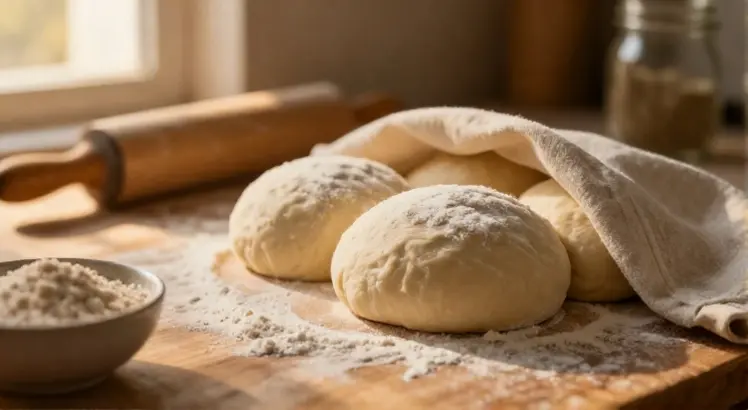
Does Pizza Dough Need Proofing? Yes, Here’s Why
You have mixed your flour, water, salt, and yeast with excitement, but now a critical question arises: does pizza dough need proofing, or can you just stretch and bake it right away? The answer is a resounding yes, and skipping this step will directly impact your crust’s texture and taste. Proofing is the fermentation period that allows yeast to produce gas, develop gluten structure, and create the signature airy chew of a perfect pizza. In this guide, we explain why that quiet resting period is non-negotiable for homemade pizza lovers.
What Exactly Is Pizza Dough Proofing?
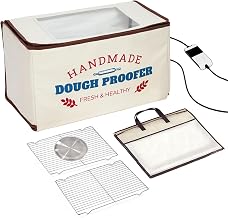
Extra Large Dough Proofing Box
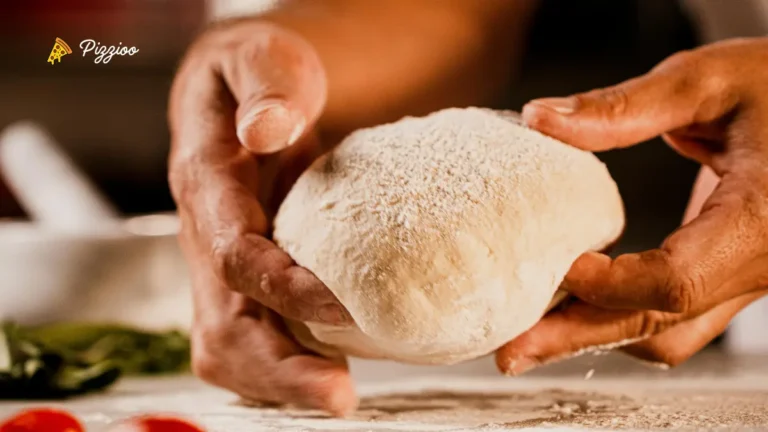
Check PriceProofing, often called the first rise or bulk fermentation, is the crucial period after mixing when dough rests and yeast gets to work. During this stage, the yeast consumes sugars in the flour, releasing carbon dioxide and ethanol, which gently stretches the gluten network. This process transforms a dense, shaggy mass into a smooth, elastic dough that traps gas and builds complex flavor. Learn more about what dough proofing in pizza actually involves to appreciate the science behind the resting phase.
The Science Behind Why Pizza Dough Needs to Proof
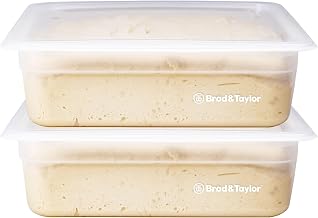
Brod & Taylor Proofing Container (2 Pack)
Check PriceWithout proofing, the yeast cannot generate the carbon dioxide pockets that give pizza crust its light, open crumb. The gluten strands relax, making the dough extensible enough to stretch thinly without tearing. Parallel to gas production, enzymes break down starches into simple sugars, which later caramelize in the hot oven for that distinctive golden brown char. Yeast activity is central to proofing; as King Arthur Baking explains, proper fermentation transforms a dense ball into an airy loaf (King Arthur Baking’s guide to proofing).
What Happens If You Skip Proofing?
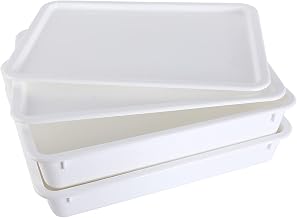
Pizza Dough Proofing Box, Commercial Grade
Check PriceSkipping proofing leaves you with a tough, cracker-like base that lacks personality. The dough will fight back when you try to stretch it, springing into a small disc and refusing to hold its shape. The crumb turns out dense and biscuit-like rather than airy, with very little oven spring because the yeast hasn’t had time to create gas reserves. Flavor also suffers dramatically; without fermentation, the crust tastes flat, floury, and one-dimensional.
Proofing vs. Fermentation: Clearing Up the Confusion
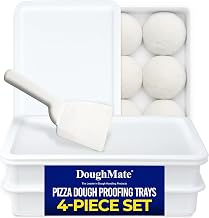
DoughMate Artisan Dough Tray Kit
Check PriceMany home bakers use the terms proofing and fermentation interchangeably, but there is a subtle difference worth noting. Fermentation refers to the entire biological process where yeast and bacteria break down carbohydrates, producing gas, alcohol, and organic acids. Proofing typically describes the final rise after shaping, when the dough ball rests and expands right before baking. For pizza, the bulk fermentation is often the main event, with a short final proof just before stretching.
Room Temperature Proofing: The Traditional Method
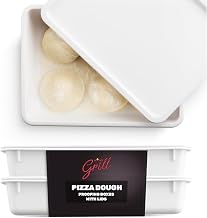
Hans Grill Pizza Dough Proofing Box (2 Pack)
Check PriceProofing at warm room temperature, around 75°F to 80°F (24°C to 27°C), gives you a fast, predictable rise that can be ready in one to two hours. This method is ideal when you want same-day pizza with a soft, pillowy crust. Place the dough in a lightly oiled bowl, cover it with plastic wrap or a damp towel, and let it double in size. The quick fermentation produces a mild flavor that works beautifully for classic American or New York style pies.
Cold Proofing: The Secret to Better Flavor
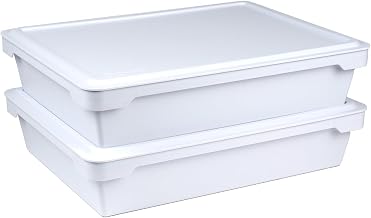
Ooni Pizza Dough Proofing Box with Lid
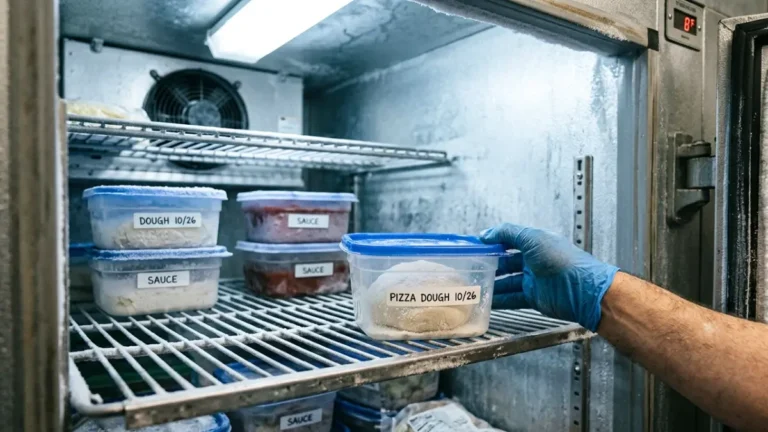
Check PriceCold proofing, or retarding the dough in the refrigerator for 24 to 72 hours, is the trick that top pizzerias use to build deep, complex flavor. The low temperature slows yeast activity dramatically, giving enzymes and bacteria more time to create nuanced notes of wheat and subtle tang. This extended fermentation also makes the gluten more extensible, so the dough stretches effortlessly into a thin round with a beautifully blistered cornicione. After the cold rest, let the dough come to room temperature before shaping.
How Long Should You Proof Pizza Dough?
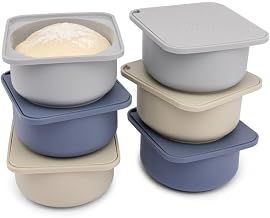
Babadoh Pizza Dough Proofing Silicone Containers
Check PriceThe ideal proofing time depends heavily on your dough temperature, yeast quantity, and desired outcome. A standard direct dough at room temperature usually doubles in size in about one to two hours, but a tiny amount of yeast can stretch that to six or eight hours for more flavor. Cold proofed doughs develop best with a 24 to 48 hour window; anything less and the depth of taste won’t fully emerge. Always watch the dough, not the clock, and look for a puffy appearance and a soft, jiggly texture.
Can You Over-proof Pizza Dough?
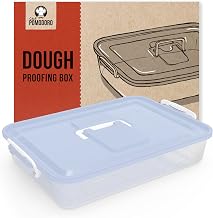
Chef Pomodoro Pizza Dough Proofing Box
Check PriceYes, dough can certainly over-proof if left too long, causing the gluten network to break down and the structure to collapse. Over-proofed dough feels excessively slack, smells overly yeasty or alcoholic, and may deflate when you handle it. Baking such dough results in a flat, dense crust with a coarse crumb and a sour, unpleasant flavor. If you spot these signs, you can often rescue the dough by degassing it, reshaping, and giving it a shorter second proof.
Does the Type of Yeast Affect Proofing Requirements?
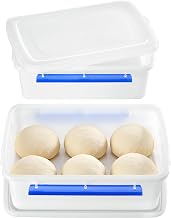
Vtopmart 2 Pcs Pizza Dough Proofing Box
Check PriceActive dry yeast, instant yeast, and fresh yeast all do the same job, but their activity levels and hydration needs shift your proofing timeline slightly. Instant yeast granules are finer and don’t need to be bloomed in water, so they start working immediately and can shorten the bulk rise by a few minutes. Sourdough starter or wild yeast cultures ferment much more slowly, requiring longer proofing times and often a cold retardation to achieve the right balance of acid and gas. No matter which leavening you use, proofing remains essential to develop the dough’s full potential.
Proofing Gluten-Free and Whole Wheat Pizza Dough
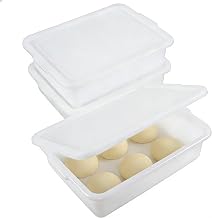
Pack of 3 Pizza Dough Proofing Box
Check PriceGluten-free doughs don’t build the same elastic web, so proofing primarily helps hydration and yields a softer crumb rather than dramatic rise. A shorter, warmer proof of 30 to 45 minutes is usually sufficient to activate binders like xanthan gum and hydrate flours. Whole wheat dough, on the other hand, contains sharp bran particles that can slice gluten strands, making gentle, extended proofing critical to relax the dough. A cold overnight proof works wonders, softening the bran and coaxing out the nutty, sweet flavors hidden in the whole grain.
Tools That Make Proofing Foolproof
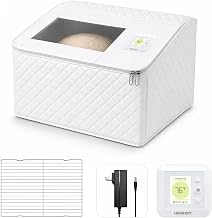
2026 Advanced Sourdough Proofing Box
Check PriceWhile a simple bowl and plastic wrap work, dedicated proofing tools remove guesswork and protect your dough from drafts. Choosing the right proofing container, like those in our guide on the best pizza dough proofing box, prevents drying and makes transferring delicate dough balls effortless. A lidded, stackable box maintains humidity, stops skin from forming, and lets you cold proof multiple dough balls without occupying a whole shelf. For consistent results, a proofing box with a warming mat can hold an ideal temperature even in a chilly kitchen.
Frequently Asked Questions
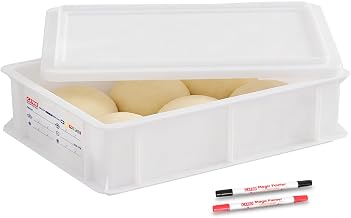
GATBO Proofing Container with Label Sticker & Markers
Check PriceCan you proof pizza dough too long?
Absolutely, over-proofing collapses the gluten structure and produces an excessively sour taste. The dough becomes sticky, loses its rise, and bakes into a dense, flat crust. Watch for the dough when it has doubled and springs back slowly when poked.
Does instant yeast change proofing time?
Instant yeast dissolves rapidly and may shave ten to fifteen minutes off the bulk rise compared to active dry yeast. However, the overall proofing principle stays identical; you still need that resting period for flavor and texture. Adjust your eyes to the dough’s volume rather than a strict timer.
How do I know my dough is properly proofed?
Gently press a floured finger into the surface about half an inch. If the indentation slowly springs back but leaves a faint mark, the dough is ready. If it snaps back instantly, it needs more time; if it deflates, it is over-proofed.
Can I proof pizza dough in the fridge overnight?
Yes, cold proofing overnight or up to 72 hours is actually one of the best techniques for superior flavor. The slow fermentation develops subtle tang and makes the dough very easy to stretch. Just bring the ball back to room temperature before you shape it.
Final Thoughts: Proofing Is Non-Negotiable for Great Pizza
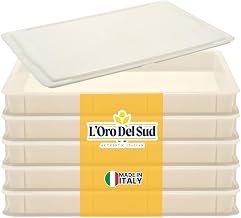
L’Oro Del Sud Commercial Dough Proofing Box Trays (5 Pack)
Check PriceSo, does pizza dough need proofing? Without question, it transforms basic ingredients into a foundation worthy of your best toppings. The resting phase unlocks the dough’s extensibility, airy crumb, and rich fermentation notes that separate homemade pizza from a cafeteria flatbread. Whether you choose a quick one-hour rise or a patient three-day cold ferment, proofing is the quiet step that rewards you with a pizzeria-quality pie. Embrace the process, and your crust will never be boring again.