How Much Dough Per Pizza? (Secret Dough Weight Formula)
Making great pizza starts with using the right amount of dough. Too much dough can make the crust heavy and undercooked. Too little dough can make the pizza dry and flat. The perfect dough weight depends on the pizza size crust style and baking method.
In this guide you will learn how much dough to use for different pizza sizes and styles. You will also find dough charts simple calculations and helpful tips for homemade and restaurant style pizzas.
Whether you are making thin crust deep dish Neapolitan or New York style pizza this guide will help you get better results every time.
Why Pizza Dough Weight Matters?
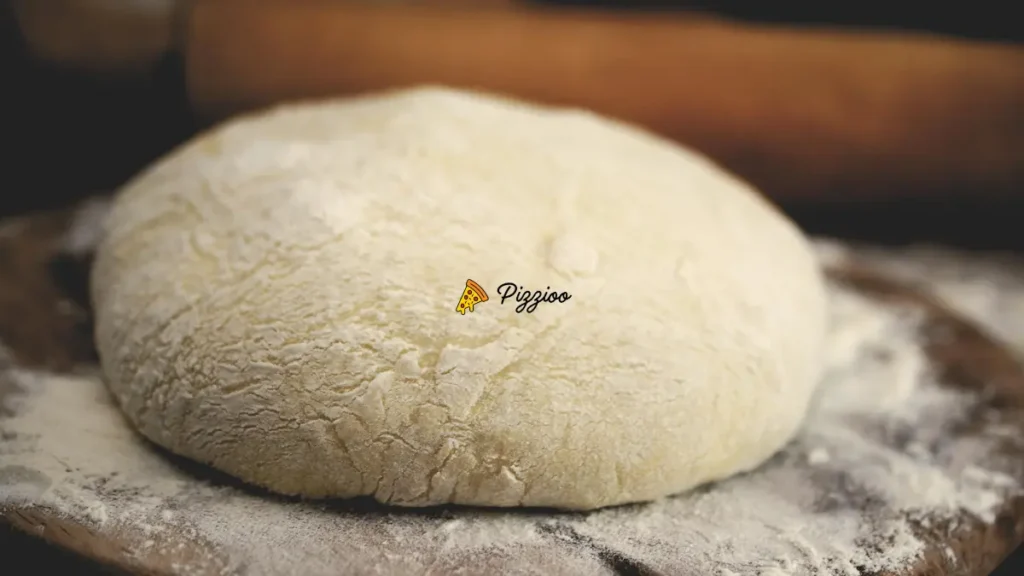
Pizza dough weight plays a big role in how your pizza looks tastes and bakes. The amount of dough you use affects the crust thickness texture and overall size of the pizza. Even small changes in dough weight can make a pizza feel completely different.
Using the correct dough weight helps you get a balanced pizza. If the dough is too heavy the crust may become thick dense and hard to cook evenly. If the dough is too light the pizza can turn out too thin dry or crispy without enough structure to hold toppings.
Different pizza styles also need different dough amounts. A thin crust pizza uses less dough while deep dish and pan pizzas need much more dough for a thicker base. Neapolitan pizza usually has a soft airy crust that comes from using the right dough weight and hydration balance.
Proper dough measurement also improves consistency. When you use the same dough weight every time your pizzas will cook more evenly and look more professional. This is why pizza restaurants carefully weigh every dough ball before baking.
Measuring pizza dough correctly also helps with portion control and ingredient planning. It becomes easier to prepare dough for multiple pizzas without wasting flour, yeast or toppings. For home cooks and pizza businesses this can save both time and money.
Pizza Dough Calculation Formula
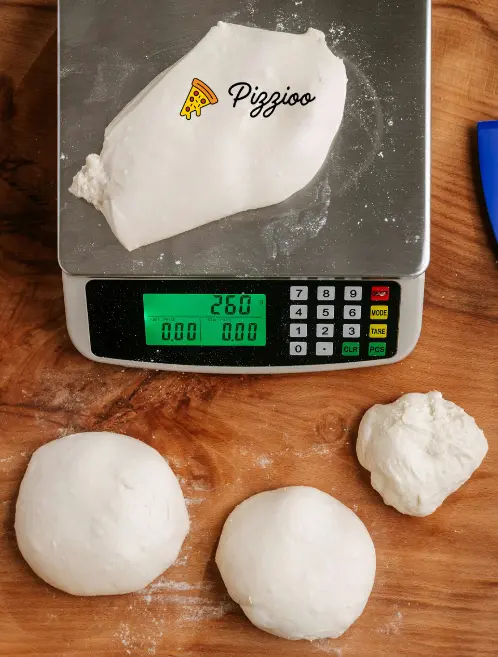
The most common way to calculate pizza dough weight is by using the pizza size and dough thickness factor. This helps you decide how much dough you need for thin crust medium crust or thick crust pizza.
The basic pizza dough formula is:
A=πr2 | Dough Weight = Pizza Surface Area × Thickness Factor
In this formula:
- A = Pizza surface area
- π = 3.1416
- r = Radius of the pizza
The radius is half of the pizza diameter. For example a 12 inch pizza has a radius of 6 inches.
So the calculation becomes:
A=3.1416×62=113.1
Now multiply the area by a dough thickness factor. The factor changes depending on pizza style.
Standard Pizza Dough Weight Chart by Pizza Size
The amount of dough needed for pizza depends mostly on the pizza diameter and crust style. Smaller pizzas need lighter dough balls while large pizzas require more dough to keep the crust balanced and properly cooked. Using the right dough weight helps you get the perfect texture and thickness every time.
The chart below shows the standard dough weight range for popular pizza sizes. These values work well for most homemade and restaurant style pizzas.
| Pizza Size | Dough Weight in Ounces | Dough Weight in Grams | Best For |
|---|---|---|---|
| 6 Inch Pizza | 4 to 5 oz | 115 to 140 g | Personal pizza |
| 8 Inch Pizza | 6 to 7 oz | 170 to 200 g | Small pizza |
| 10 Inch Pizza | 8 to 10 oz | 225 to 285 g | Thin or medium crust |
| 12 Inch Pizza | 10 to 12 oz | 285 to 340 g | Standard medium pizza |
| 14 Inch Pizza | 14 to 16 oz | 400 to 455 g | Large pizza |
| 16 Inch Pizza | 18 to 22 oz | 510 to 625 g | Extra large pizza |
| 18 Inch Pizza | 24 to 28 oz | 680 to 795 g | New York style pizza |
| 20 Inch Pizza | 30 to 36 oz | 850 to 1020 g | Party size pizza |
Recommended Dough Weight by Pizza Style
Different pizza styles use different amounts of dough to create their signature texture and crust. Thin crust pizzas need lighter dough balls while deep dish and pan pizzas require much heavier dough. The hydration level baking method and stretching style also affect the final dough weight.
The table below shows the recommended dough weight for popular pizza styles based on a standard 12 inch pizza.
| Pizza Style | Recommended Dough Weight | Dough Weight in Grams | Crust Type |
|---|---|---|---|
| Neapolitan Pizza | 8 to 10 oz | 225 to 285 g | Soft airy crust |
| New York Style Pizza | 12 to 14 oz | 340 to 400 g | Thin but chewy |
| Thin Crust Pizza | 7 to 9 oz | 200 to 255 g | Crispy thin crust |
| Medium Crust Pizza | 10 to 12 oz | 285 to 340 g | Balanced crust |
| Thick Crust Pizza | 14 to 16 oz | 400 to 455 g | Thick fluffy crust |
| Deep Dish Pizza | 16 to 22 oz | 455 to 625 g | Very thick buttery crust |
| Sicilian Pizza | 18 to 24 oz | 510 to 680 g | Thick rectangular crust |
| Detroit Style Pizza | 20 to 26 oz | 570 to 740 g | Thick airy pan crust |
| Stuffed Crust Pizza | 14 to 18 oz | 400 to 510 g | Thick crust with cheese filling |
How Much Dough Per Pizza Based on Crust Thickness
Crust thickness is one of the biggest factors when deciding how much dough to use for pizza. A thin crust pizza needs less dough because it is stretched wider and flatter. Thick crust and pan pizzas need more dough to create a soft airy and chewy texture.
Using the right dough amount for your preferred crust thickness helps the pizza cook evenly and gives better texture.
| Crust Thickness | Dough Weight for 12 Inch Pizza | Dough Weight in Grams | Texture Result |
|---|---|---|---|
| Ultra Thin Crust | 6 to 7 oz | 170 to 200 g | Very crispy and light |
| Thin Crust | 7 to 9 oz | 200 to 255 g | Crispy with light chew |
| Medium Crust | 10 to 12 oz | 285 to 340 g | Balanced soft crust |
| Thick Crust | 14 to 16 oz | 400 to 455 g | Soft fluffy texture |
| Extra Thick Crust | 18 to 22 oz | 510 to 625 g | Dense and bread like |
| Pan or Deep Dish Crust | 20 to 26 oz | 570 to 740 g | Thick buttery crust |
Dough Ball Size Guide for Homemade Pizza
When making pizza at home, dividing dough into the right ball size is very important. Each dough ball determines how big your pizza will be and how thick the crust turns out. A properly sized dough ball helps you stretch the dough evenly and avoid tearing or uneven baking.
For homemade pizza, dough is usually measured in grams or ounces before shaping. The guide below will help you choose the right dough ball size based on your pizza preference and oven type.
Small Dough Balls
Small dough balls are perfect for personal pizzas or thin crust styles. They are easy to stretch and bake quickly in a home oven.
- Weight: 150 to 200 grams
- Pizza size: 6 to 8 inch
- Result: Thin and crispy crust
Medium Dough Balls
Medium dough balls are the most commonly used size for home pizza making. They give a balanced crust that is soft inside and slightly crisp outside.
- Weight: 220 to 300 grams
- Pizza size: 9 to 12 inch
- Result: Balanced crust with good chew
Large Dough Balls
Large dough balls are ideal for family size pizzas or thicker crust styles. They need more stretching skill and a longer baking time.
- Weight: 320 to 450 grams
- Pizza size: 13 to 16 inch
- Result: Thick and chewy crust
Extra Large Dough Balls
Extra large dough balls are used for party pizzas or pan style pizzas. They create a very thick base and hold heavy toppings well.
- Weight: 500 to 700 grams
- Pizza size: 16 inch and above
- Result: Very thick and soft crust
Choosing the right dough ball size makes homemade pizza easier to handle and more consistent. It also helps you control crust thickness and baking results more accurately.
How Much Dough for Different Pizza Shapes?
Pizza shape also affects how much dough you need. Round pizzas are the most common and usually follow standard dough weight charts. Square and rectangular pizzas need slightly more dough because they spread out differently in the pan. Sheet pan and specialty shapes often require heavier dough to support toppings and create an even base.
Choosing the right dough amount for each shape helps the pizza cook evenly and keeps the crust balanced. It also prevents thin spots or overly thick edges during baking.
| Pizza Shape | Typical Dough Weight | Dough Weight in Grams | Notes |
|---|---|---|---|
| Round Pizza (Standard) | 10 to 14 oz | 285 to 400 g | Most common home and restaurant pizza |
| Thin Round Pizza | 7 to 10 oz | 200 to 285 g | Crisp and light base |
| Square Pizza | 12 to 16 oz | 340 to 455 g | Even thickness across edges |
| Rectangular Pizza | 14 to 20 oz | 400 to 570 g | Often used for family style pizzas |
| Sheet Pan Pizza | 18 to 26 oz | 510 to 740 g | Thick crust baked in tray |
| Deep Dish Square Pizza | 20 to 28 oz | 570 to 795 g | Heavy dough with high rise |
| Mini Personal Pizza Shapes | 4 to 6 oz | 115 to 170 g | Small custom shapes or snacks |
How Professional Pizzerias Measure Dough?
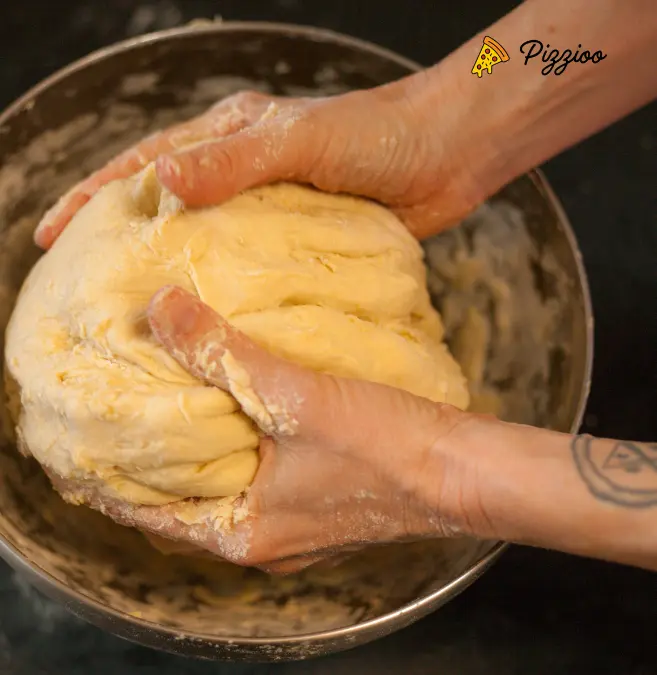
Professional pizzerias focus heavily on accuracy when measuring dough because even small differences can change the final pizza quality. Consistency is the key in commercial pizza making, so every dough ball is carefully controlled from start to finish.
- Most pizzerias use a digital kitchen scale to weigh each dough ball precisely in grams. This ensures every pizza has the same size, thickness, and baking time.
- Dough dividers are used in busy kitchens to split large batches of dough into equal portions quickly. This saves time and keeps all dough balls uniform.
- Standardized dough weights are followed for each pizza size and style, so staff always know exactly how much dough to use for small, medium, or large pizzas.
- After weighing, dough balls are placed into proofing trays or boxes where they rest and rise under controlled conditions for better texture and flavor.
- Many pizzerias prepare dough in bulk batches and then divide it into equal portions, which improves efficiency and maintains consistent quality across all pizzas.
- Temperature and fermentation time are carefully monitored because even perfectly weighed dough can fail if it is not properly proofed.
- Some professional kitchens also use automated dough portioning machines that combine mixing, dividing, and weighing in one system for maximum precision.
These methods help pizzerias maintain the same taste, texture, and appearance in every pizza they serve, no matter how many orders they handle.
Common Mistakes When Measuring Pizza Dough
Measuring pizza dough correctly is important for getting consistent pizza results. Many beginners make small mistakes that affect crust texture size and baking quality. Avoiding these errors will help you get better and more reliable pizzas every time.
- Not using a kitchen scale: Guessing dough weight instead of weighing it leads to uneven pizza sizes and poor consistency.
- Using the same dough for all pizza sizes: Different pizza diameters need different dough amounts. Using one size for all causes imbalance in thickness.
- Ignoring crust style differences: Thin crust and thick crust pizzas require different dough weights for the right texture.
- Weighing dough after it rises: Fermented dough changes in volume, so measuring after proofing gives inaccurate results.
- Uneven dough portioning: Not dividing dough equally leads to pizzas that bake unevenly and have inconsistent thickness.
- Skipping dough rest time: Not letting dough rest after shaping makes it harder to stretch and can affect crust quality.
- Overworking the dough while measuring: Too much handling removes air and makes the crust dense instead of light and airy.
Tips for Getting Perfect Pizza Dough Every Time
Getting perfect pizza dough is all about consistency, правиль measurement, and proper handling. Small changes in technique can greatly affect the final crust texture and taste.
These tips will help you achieve better results whether you are a beginner or making pizza regularly at home.
Use a Kitchen Scale for Accuracy
Always measure flour and dough using a digital kitchen scale. This ensures every pizza has the same size and prevents guesswork that leads to uneven results.
Maintain Consistent Dough Hydration
Keep your water ratio stable for each batch. Hydration affects how soft or crispy your crust will be, so consistency is key for repeatable results.
Choose the Right Dough Weight for Size
Match your dough weight to your pizza diameter. Too much dough makes the crust thick and undercooked, while too little makes it dry and brittle.
Let Dough Rest Properly
After mixing and dividing, allow the dough to rest. This relaxes the gluten and makes stretching easier without tearing.
Do Not Overwork the Dough
Handle the dough gently when shaping and portioning. Overworking removes air and results in a dense crust instead of a light and airy texture.
Keep Proofing Time Consistent
Allow the dough to rise for the same amount of time each batch. Proper fermentation improves flavor and texture significantly.
Store Dough Correctly
If you are not using dough immediately, store it in an airtight container in the fridge. Proper storage helps maintain quality and prevents drying out.
Use the Same Process Every Time
Follow the same steps for mixing, weighing, and resting. Consistency in your process leads to consistent pizza quality every time.
FAQs and Answers
How much dough do I need for a 12 inch pizza?
A 12 inch pizza usually needs around 10 to 12 ounces of dough or about 285 to 340 grams. The exact amount depends on crust thickness and style.
Is pizza dough measured before or after rising?
Pizza dough should always be measured before rising. Fermentation changes the size but not the actual dough weight, so weighing after proofing can give incorrect results.
What happens if I use too much pizza dough?
Using too much dough makes the crust thick and heavy. It may not cook evenly and can feel doughy in the center while the outside is already done.
Can I use the same dough weight for all pizza sizes?
No, different pizza sizes need different dough weights. Larger pizzas need more dough to maintain proper thickness and structure.
How do restaurants measure pizza dough?
Most restaurants use a digital scale to weigh each dough ball. This ensures every pizza is consistent in size, thickness, and baking time.
What is the best dough weight for thin crust pizza?
Thin crust pizza usually uses around 7 to 9 ounces or 200 to 255 grams of dough for a 12 inch pizza, depending on how crispy you want it.
Why does pizza dough weight matter?
Dough weight affects crust thickness, texture, and baking time. The right amount ensures a balanced pizza that cooks evenly and tastes better.