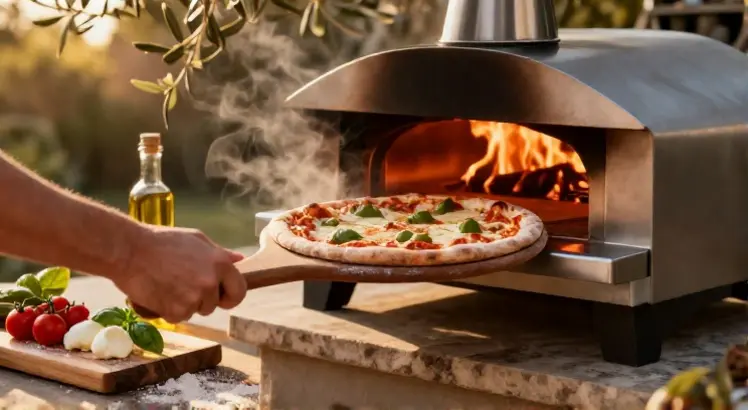
How to Use a Gas Pizza Oven Step by Step
Learning how to use a gas pizza oven transforms your backyard cooking routine. Gas models heat quickly and offer steady temperature control that is easier to manage than wood fired options. This guide covers setup, preheating, launching, rotating, and cleaning. You will also find product comparisons and answers to common questions below.
Understanding Your Gas Pizza Oven Basics
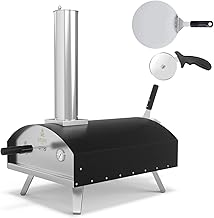
Stoke 16 Inch Outdoor Pizza Oven
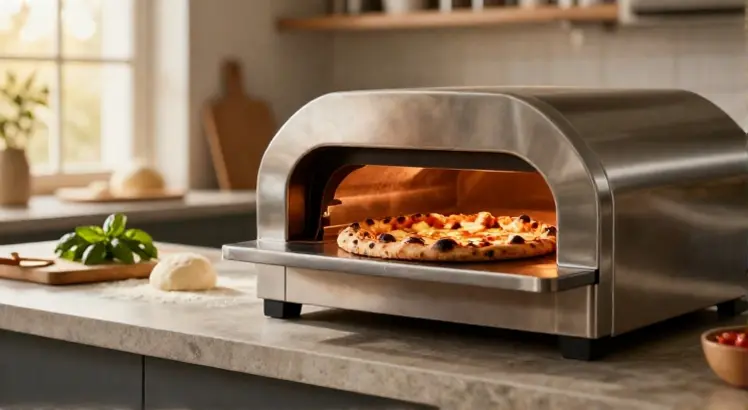
Check PriceA gas pizza oven uses propane or natural gas to heat a pizza stone or steel deck. The burner usually sits beneath the stone or at the rear of the oven chamber. Most outdoor models can reach temperatures between 800 and 950 degrees Fahrenheit. This high heat cooks a Neapolitan style pizza in about 90 seconds.
Familiar controls include an ignition button, a gas adjustment dial, and sometimes a temperature gauge. Some ovens add a built in thermometer or flame viewer. Read your manual thoroughly before the first use. Knowing each part helps you operate the oven safely and confidently.
Core Parts to Know
- Pizza stone or steel deck
- Gas burner and ignition system
- Fuel hose and regulator
- Control dials for flame adjustment
Unboxing and Initial Setup Steps
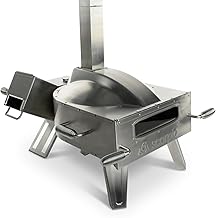
SCORPIO Pizza Oven
Check PriceStart by unpacking every component and checking it against the included parts list. Make sure the pizza stone, gas hose, regulator, burner, and peel are all present. Inspect each part for cracks, dents, or missing hardware before assembly. A quick visual check prevents unsafe operation later.
Set the oven on a flat, non combustible surface away from walls and overhanging branches. Keep the area clear of flammable materials like paper towels and dry leaves. Attach the gas hose and regulator according to the manufacturer instructions. Tighten the connections firmly but avoid overtightening brass fittings.
Setup Checklist
- Place oven outdoors on a stable surface
- Install the pizza stone
- Connect the gas hose and regulator
- Perform a complete leak check
Choosing the Right Gas Connection and Fuel
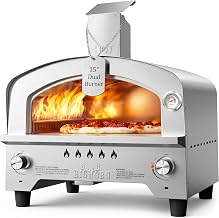
BIG HORN Gas Pizza Oven
Check PricePropane is the most common fuel for portable outdoor pizza ovens because it burns cleanly and reaches high heat quickly. Natural gas models often require a fixed gas line and professional installation. Check whether your oven is designed for propane, natural gas, or both before connecting it. Using the wrong fuel type can damage the burner and void the warranty.
Always use the regulator and hose supplied by the manufacturer. If you lose a part, order a direct replacement instead of using an improvised connector. Perform a soapy water leak test on all joints after connecting the gas. Bubbles indicate a leak that must be fixed before you ignite the oven.
Preheating Your Gas Pizza Oven Correctly
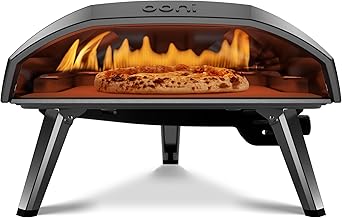
Ooni Koda 16 Propane Gas Pizza Oven
Check PricePreheat your gas pizza oven for at least 20 to 30 minutes before baking. The stone needs time to absorb heat and reach the ideal surface temperature of 750 to 850 degrees Fahrenheit. Use an infrared thermometer to measure the center of the stone rather than relying only on the built in dial. A properly preheated stone creates a crisp base and leopard spotting on the crust.
Turn the burner to high during preheating, then lower it slightly before you launch the pizza. The oven walls also need time to heat so the top of the pizza cooks as fast as the bottom. During preheating, keep the door open if your model uses a front opening design. Closed designs may need a different venting setup, so follow the manual.
Preparing Dough and Ingredients for Gas Oven Baking
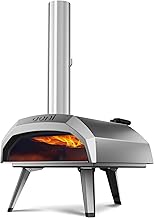
Ooni Karu 12 Multi-fuel Pizza Oven
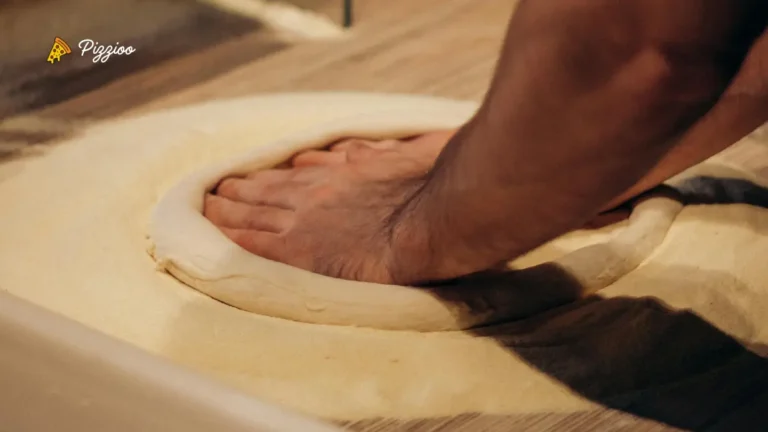
Check PriceBring your dough to room temperature for about two hours before shaping. Cold dough resists stretching and often creates a thick, dense center. Use a well floured work surface and shape the dough gently from the center outward, following a reliable Serious Eats pizza dough recipe. A 10 to 12 inch round works best for most gas pizza ovens.
Keep toppings light because high heat can burn heavy piles of cheese or sauce. Use low moisture mozzarella, a thin layer of sauce, and a few well drained toppings. Finish with a drizzle of olive oil after baking if you want extra richness. Preparing all ingredients before you light the oven makes the process smooth.
Launching Your First Pizza Without Sticking
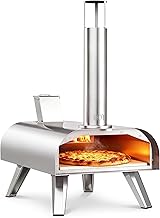
BIG HORN 12″ Outdoor Pizza Oven
Check PriceDust your pizza peel with flour or semolina before placing the stretched dough on it. Build the pizza quickly on the peel and shake it gently to make sure it slides. If the dough sticks at any spot, lift the edge and add more flour underneath. A pizza that sticks will fold or tear when you try to launch it.
Place the peel at the back of the stone and pull it away with a quick, confident motion. Do not push the pizza forward aggressively because the toppings can slide off. Keep the oven at a slight angle if needed for better leverage. Practice with a plain dough round before adding sauce and cheese.
Rotating and Monitoring the Bake
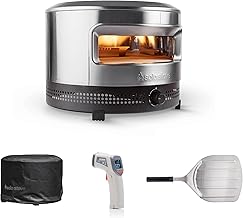
Solo Stove Pi Prime Pizza Oven Bundle
Check PriceGas ovens often have hot spots, so rotation is essential for an even bake. After about 30 to 40 seconds, slide a small turning peel under the pizza and rotate it 90 degrees. Repeat every 20 to 30 seconds until the crust is evenly charred. Watch the back edge because it usually browns faster than the front.
Look for bubbling on the cornicione and a melted, bubbling cheese layer. If one side darkens too quickly, rotate the pizza sooner or lower the flame slightly. Avoid opening the oven door too often, because heat escapes quickly. Most pizzas finish in 60 to 120 seconds.
Temperature Control and Flame Adjustment
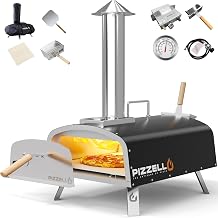
PIZZELLO 16″ Outdoor Pizza Oven
Check PriceUse the gas dial to adjust flame height and balance top and bottom heat. Lower the flame for thicker pizzas that need more time to cook through. Raise the flame for fast Neapolitan pizzas when the stone temperature begins to drop. Small adjustments make a big difference in the final texture.
If the top burns before the bottom, reduce the flame and let the stone recover between bakes. If the bottom is pale but the top is done, the stone may not be hot enough. Allow the oven to reheat for a few minutes between pizzas. A reliable best gas pizza oven outdoor guide can help you compare models with better heat control.
Baking Different Pizza Styles in a Gas Oven

VEVOR 16 in Outdoor Pizza Oven
Check PriceNeapolitan style needs very high heat and a fast 60 to 90 second bake. New York style works better at a slightly lower temperature with a longer bake of two to three minutes. Thicker Detroit or Sicilian style pizzas need a lower flame and a longer time so the dough cooks through. Adjust the stone temperature and flame based on the style you are making.
For crisp flatbreads or thin cracker style crusts, use moderate heat and watch closely. Sweet dessert pizzas bake quickly and can burn if you leave them for just a few extra seconds. Always test one pizza before committing to a full batch. Your gas oven becomes more versatile once you learn its temperature zones.
Common Gas Pizza Oven Mistakes to Avoid
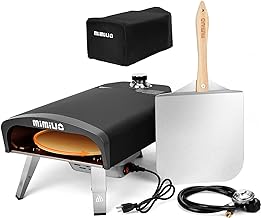
Mimiuo Auto-Rotating Gas Pizza Oven
Check PriceThe most common mistake is launching a pizza with too much flour or semolina on the peel. Extra flour burns on the stone and creates a bitter taste. Another mistake is overloading the pizza with toppings, which makes the center wet and heavy. Keep toppings light and drain high moisture ingredients first.
Many beginners turn the flame too low during preheat, so the stone never reaches full baking temperature. Others forget to rotate the pizza and end up with one blackened edge. Avoid walking away from a gas pizza oven while a pizza is inside. The bake happens in seconds, not minutes.
Cleaning and Maintenance After Use
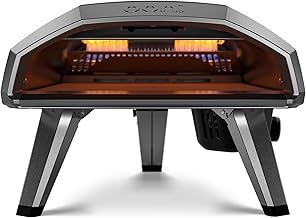
Ooni Koda 2 Propane Gas Pizza Oven
Check PriceLet the oven cool completely before you wipe down the exterior and remove the stone. Use a dry brush or a slightly damp cloth for the stone, but never use soap on porous stone. Burn off stuck on food by running the oven on high for 10 minutes after cooking. Then brush away the ash and char once the stone cools.
Check the burner ports for debris and clear them with a soft brush if needed. Store the oven in a dry place or use a weatherproof cover when it is outdoors. Inspect the gas hose regularly for cracks or brittleness. Replace any worn parts before the next cook.
Comparing Gas, Wood, and Dual Fuel Ovens
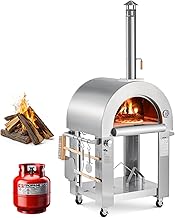
VEVOR Dual Fuel Giant Pizza Oven
Check PriceGas ovens offer convenience and steady heat that is easier for beginners. Wood fired ovens add smoky flavor but require more attention and longer preheat times. Dual fuel models let you switch between gas and wood depending on your mood. Your choice depends on how much time you want to spend managing the fire.
Many home cooks prefer gas for weeknight pizza and wood for weekend gatherings. A best outdoor pizza oven for your home comparison can help you weigh size, fuel, and portability. Gas models are also lighter and faster to clean. Both fuel types can produce excellent pizza when used correctly.
FAQ: How to Use a Gas Pizza Oven Safely and Efficiently
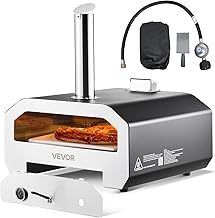
VEVOR Dual Fuel Pizza Oven Outdoor
Check PriceHow long do I preheat a gas pizza oven?
Most gas pizza ovens need 20 to 30 minutes on high to fully preheat. The pizza stone should read about 750 to 850 degrees Fahrenheit with an infrared thermometer. If the stone is below 700, the base may stay pale while the top burns. Preheat times vary by model and outdoor temperature.
Do I need to leave the door open or closed?
Many portable gas pizza ovens are designed to run with the door open. Closing the door can trap too much heat and burn the top quickly. Some larger models or dual fuel units may use a closed door for specific styles. Always follow the manufacturer guidance for your particular oven.
How often should I rotate the pizza?
Rotate the pizza every 20 to 30 seconds during the bake. Most pizzas only need two or three turns before they are done. Use a small turning peel to avoid removing the pizza from the stone. This keeps the bottom crust crisp and prevents charred spots.
Can I use a gas pizza oven indoors?
Outdoor gas pizza ovens should never be used inside a home or garage. They produce high heat and carbon monoxide that must be vented outdoors. Only use a gas pizza oven designed and certified for indoor use. Place outdoor models in a well ventilated outdoor area.
Mastering how to use a gas pizza oven takes practice, but the process becomes intuitive quickly. Focus on preheating, light toppings, frequent rotation, and consistent flame control. Each bake teaches you about hot spots and timing. With the right setup, you can produce pizzeria quality pizza in your own backyard.