Do You Need a Thermometer for a Pizza Oven?
High heat is the soul of a great pizza, but guessing temperatures leads to burnt crusts or undercooked dough. A dedicated pizza oven thermometer removes the guesswork and gives you full control over the bake. It transforms a chaotic, smoky firing into a repeatable process for consistently excellent results. Whether you use a wood fired, gas, or electric oven, the right tool makes all the difference.
Many new pizza makers assume the built in dial on their oven is reliable, but that trust is often misplaced. In a blazing hot pizza oven, where stone temperatures must hit 750°F or more, accuracy is non negotiable. In this guide, we will break down exactly why a separate thermometer is crucial and which type works best. We will also share practical tips to help you master the art of temperature reading.
Why Temperature Control Separates Good Pizza from Great
TempPro TempScan Dual Laser IR Thermometer
Check PricePizza dough behaves differently at various temperature thresholds, and a difference of just 50°F can change everything. At the perfect floor temperature, the dough springs rapidly, creating a light, airy cornicione with leopard spots in a Neapolitan style bake. An ideal pizza baking temperature ensures the cheese melts beautifully without burning the bottom. Without a thermometer, you are essentially cooking blind, relying on visual cues that often mislead you.
The classic margherita demands a stone temperature around 750°F to 800°F, while a New York style pie prefers a slightly lower 600°F to 650°F. These are not numbers you can safely estimate by holding your hand near the oven floor. A precise reading lets you adjust the flame or damper immediately, saving a dough ball from a tragic, charred demise. Consistent temperature control is what turns a home enthusiast into a skilled pizzaiolo.
The Limitations of Built In Dial Thermometers
Etekcity Laser Temperature Gun 774
Check PriceMost consumer pizza ovens sport a simple analog dial that measures air temperature high up in the dome, not the stone surface. The air can be 200°F cooler than the cooking deck, which is what actually bakes your pizza. This discrepancy causes you to launch a pie onto a cold stone, resulting in a pale, gummy underside while the top burns quickly. What you need is the true floor reading, and only a specialized tool gives you that information.
Built in thermometers also degrade over time, losing calibration due to constant high heat exposure and soot buildup. They often have a slow response time, lagging behind the real thermal changes that happen when you throw in a fresh log or adjust the burner. Relying on them is like driving a car with a fogged windshield; you will eventually hit something you did not see coming. Investing in a dedicated, accurate thermometer is a shortcut to better bakes.
How Infrared Thermometers Work for Pizza Ovens
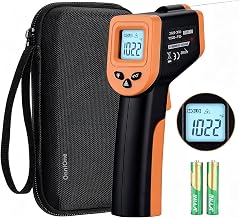
OnniOne Infrared Temperature Gun
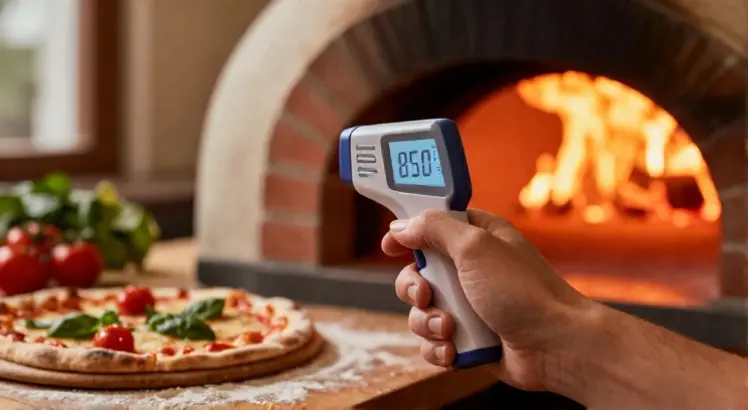
Check PriceAn infrared thermometer captures the thermal radiation emitted by a hot surface, converting it into a temperature value without any physical contact. You simply point the gun, pull the trigger, and a laser spot shows you exactly where you are measuring. This technology is fast, hygienic, and perfect for the extreme heat of a 900°F oven floor. It reads the surface temperature in real time, allowing you to map out hot and cold zones on your stone.
The key component is the lens, which focuses the infrared energy onto a detector called a thermopile. The quality of this lens and the spot ratio determine how accurate the reading will be from different distances. For a pizza oven, you want a model with a high distance to spot ratio, so you do not have to lean dangerously close to the inferno. The best devices display readings within seconds, empowering you to make split second decisions.
Instant Read Probes vs. Infrared Guns: A Quick Comparison
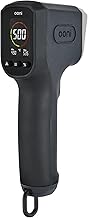
Ooni Digital Infrared Thermometer Gun
Check PriceA probe thermometer requires physical insertion into your food to measure internal temperature, while an infrared gun reads surface heat from a distance. For checking the stone or steel in a pizza oven, the non contact IR gun is the clear winner because it is immediate and avoids damaging any probe. Probes are better suited for checking the internal doneness of thick breads or meats, not for scanning a 700°F brick surface. Different tools serve different needs in the kitchen.
Many pizza enthusiasts keep both: an IR gun for the oven floor and a quick read probe for occasional internal food checks. However, the most critical measurement is always the stone thermal mass. Without an infrared device, you will never know if your preheating is truly complete. The convenience and speed of an IR gun make it the essential first purchase for anyone serious about pizza making.
Critical Features in a Pizza Oven Temperature Gun
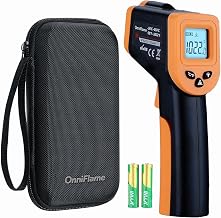
Blackstone Infrared Thermometer Gun
Check PriceTemperature range is the first thing to check; your device must comfortably read up to at least 1022°F for Neapolitan baking. A low range model will max out and display an error right when you need it most. The distance to spot ratio, like 12:1 or 50:1, tells you how wide the measurement area will be from a given distance. A higher ratio lets you stand further back and still get a precise, localized reading on a specific spot of the stone.
Look for a backlit display, which is incredibly helpful in outdoor lighting or dark corners of a wood fired oven. A durable, ergonomic design that resists grease and flour is also important since accidents happen in a busy cooking area. Models with adjustable emissivity give you greater control over accuracy, compensating for different stone materials like cordierite or steel. A dedicated infrared thermometer guide can help you compare specific models in detail.
Understanding Emissivity and Its Impact on Readings
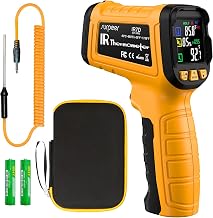
Infrared Thermometer Gun 50:1
Check PriceEmissivity is a measure of how efficiently a surface emits thermal radiation, and it varies between materials like firebrick, steel, and ceramic. Most budget IR thermometers assume a fixed emissivity around 0.95, which works well for dark, matte stones but can misread shiny metals. A steel baking plate with a polished surface has low emissivity, so a fixed setting might show a temperature much lower than reality. Adjustable emissivity is a valuable feature that ensures you are not misled by your stone type.
If your gun lacks this adjustment, you can trick the sensor by placing a small piece of black masking tape on a cool corner of the floor and reading that spot after it heats up. The tape becomes a consistent high emissivity target. However, this is a temporary fix, and for professional results, a quality thermometer with full emissivity control is the smarter investment. Understanding this detail makes your temperature readings truly trustworthy.
How to Calibrate Your Infrared Thermometer at Home
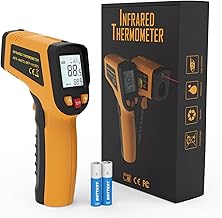
KNINE OUTDOORS Infrared Thermometer Gun
Check PriceEven premium thermometers can drift over time, so periodic calibration is wise, especially if you accidentally drop the device. A simple ice bath test can verify accuracy at the freezing point by measuring the temperature of crushed ice and water slurry, which should read 32°F. For pizza oven relevance, you need to trust the high end too, and some advanced users employ a calibrated thermocouple as a reference on a hot surface. According to the ThermoWorks guide on infrared accuracy, this two point check is the professional standard.
Always follow the manufacturer’s instructions for calibration, and never attempt to submerge your IR gun in water. Most digital models have a reset function or can be adjusted by a certified technician if reading errors grow beyond a few degrees. A properly calibrated tool gives you the confidence to demand perfection from your pizza bake. Treat this step as regular maintenance, not an afterthought.
Step by Step Guide to Scanning Your Pizza Stone Correctly
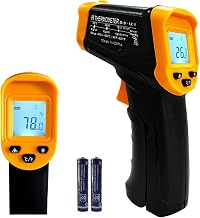
Digital IR Thermometer with Backlight
Check PriceStart by preheating your oven for the recommended time, then open the flame guard or door carefully to avoid a massive blast of heat. Aim the laser at the center of the stone from a distance of about 12 inches, holding the gun steady as you pull the trigger. Slowly sweep the device across the entire cooking surface, noting any significant differences between the middle and corners. Hot spots near the fire source and cooler zones toward the oven mouth are normal, but you need to know where they are to manage your cooking strategy.
If the floor temperature is 50°F or more above your target, wait a minute and scan again, or quickly flash a cool, damp towel if you need an emergency drop. Never scan immediately after launching a pizza because the dough’s moisture rapidly cools the stone, giving you a false low reading. Take readings between bakes to monitor the recovery time of your oven’s thermal mass. Consistent scanning builds an intuitive sense of how your particular oven behaves.
Common Mistakes That Ruin Temperature Readings
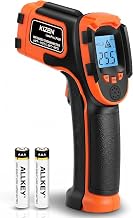
Kizen Infrared Temperature Gun
Check PriceOne common error is measuring through steam, smoke, or a dirty oven glass, which scatters the infrared beam and produces wildly inaccurate low numbers. Another is angling the laser too sharply rather than aiming perpendicular to the stone surface, which changes the spot size and emissivity dynamics. Touching the hot floor with the gun’s nose not only contaminates the lens but can also melt internal components. Good technique is as important as owning the right gadget.
Relying on a low battery often leads to erratic readings or a dim display that is unreadable in sunlight. Always keep fresh batteries nearby and turn off the device when not in use. Avoid storing the thermometer directly in the oven enclosure or a scorching outdoor shed, as extreme ambient temperatures can damage the sensor over time. Treat your thermometer gently, and it will deliver accurate data for years.
Does Cold Weather Affect Your Thermometer Performance?
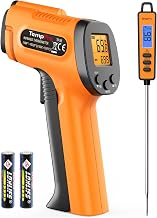
TempPro TempScan IR Thermometer with Meat Probe
Check PriceOutdoor pizza making in winter presents extra challenges because the IR gun itself can become too cold to function within its specified operating range. Most devices specify an ambient operating temperature, and pushing below that can cause sluggish response or failure. Allow the thermometer to acclimate inside your house before bringing it to the snowy patio. Similarly, a rapid shift from a warm pocket to frigid air can fog the lens internally.
The stone temperature will also drop faster in cold weather, so you may need to fire the oven hotter and monitor recovery more frequently. Do not be surprised if your usual preheat time extends by 15 minutes or more. The infrared reading remains accurate once the device is warmed properly, so patience is key. Winter pizza making is magical, provided you respect your tools and the elements.
Safety Practices When Using High Heat Thermometers
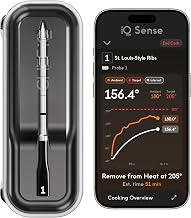
CHEF iQ Sense Smart Wireless Meat Thermometer
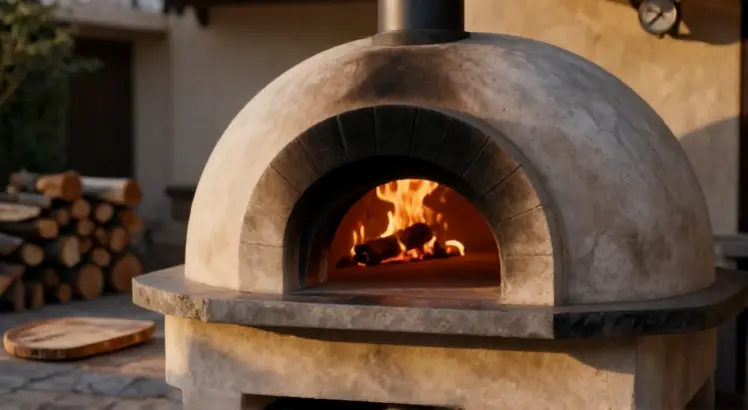
Check PriceNever hold the thermometer directly over the mouth of a wood fired oven’s open flame, as the rising superheated air can melt the plastic housing instantly. Use the laser to target the stone while keeping your hand and the device safely away from the direct heat column. Always wear a heat resistant glove on the hand that operates the oven door or holds the gun close to a hot surface. Safety is the first rule of any high temperature cooking environment.
When you finish scanning, place the thermometer on a designated cool surface, not on the oven’s side shelf which can be scalding hot. Keep the lens clean from ash and flour dust by wiping it with a soft cloth after each session. A momentary lapse can lead to a destroyed tool or a burned hand. Good habits become second nature and protect both you and your investment.
Frequently Asked Questions
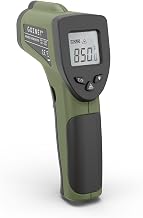
Gozney Infrared Thermometer
Check PriceDo I need a thermometer if my oven has a digital controller? Digital controllers manage air temperature, not floor temperature, so a separate IR gun remains essential for crust perfection. The stone can lag behind the air setting by a significant margin. For absolute precision, always verify the floor independently even on high tech machines. Your pizza will thank you.
Can I use a basic medical forehead thermometer for my pizza stone? No, medical thermometers are designed for human body range and cannot withstand oven temperatures above 400°F. They lack the correct emissivity settings and will provide nonsense readings or break entirely. Invest in a purpose built cooking IR thermometer rated to at least 800°F.
How often should I replace my pizza oven thermometer? A high quality unit will last several years with proper care and no major drops. Calibrate it biannually; if readings drift beyond 5 percent and cannot be recalibrated, consider a replacement. Frequent exposure to extreme heat cycles can slowly degrade the sensor, but good models hold up well. Replace batteries proactively to avoid misreadings.
Final Verdict: Is a Thermometer Essential?
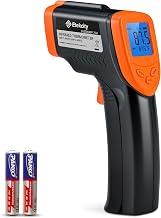
Etekcity Laser Temperature Gun 774 Orange
Check PriceA pizza oven without a dedicated thermometer is like a ship without a compass, possible but prone to error and frustration. The affordable price of a reliable infrared gun is nothing compared to the cost of wasted dough and ruined meals. Once you start scanning your stone and dialing in the exact floor heat, you unlock artisan quality baking at home. The confidence it provides lets you experiment with different doughs and styles without the fear of failure.
Choose a model that fits your budget, prioritize a wide temperature range and high spot ratio, and commit to learning proper technique. The small learning curve is worth the leap in consistency and the applause around your dinner table. A tool this practical quickly becomes an extension of your pizza making ritual. Yes, you absolutely need a thermometer for your pizza oven, and once you use one, you will wonder how you ever baked without it.