Pizza Steel vs Stone: Which Baking Surface Wins?
Home pizza enthusiasts often debate whether to use a baking steel or a traditional pizza stone. Both tools elevate your homemade pizza by storing and transferring intense radiant heat. The choice, however, reshapes everything from your crust texture to your preheat routine. Let’s break down the key differences so you can bake with confidence.
The Great Debate: Steel vs. Stone for Home Pizza
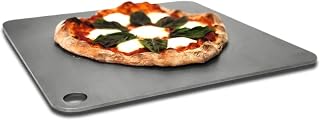
ThermiChef 16″ x 16″ Pizza Steel – 1/4″ Steel, 17.6 lbs
Check PriceMany home pizzaiolos start with a stone because it is affordable and widely available. A cordierite or ceramic slab mimics the floor of a wood fired oven, absorbing moisture from the dough and providing steady heat. Yet the steel has surged in popularity because of its superior thermal properties. It is time to examine whether the modern steel truly outperforms its classic counterpart.
This debate matters most when you want a Neapolitan style charred crust in a standard kitchen oven that peaks at 500°F or 550°F. The material you preheat directly determines how fast and how intensely energy rushes into the dough. Choosing wisely can mean the difference between a pale, soggy base and a glorious blistered undercarriage.
What Exactly is a Pizza Steel?
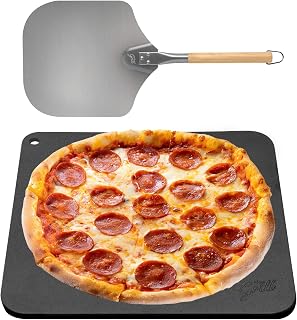
Pizza Steel PRO by Hans Grill | XL 1/4″ Thick Square Conductive Metal Baking Steel
Check PriceA pizza steel is a solid slab of carbon steel, often measuring between 14 and 16 inches square and a quarter inch thick. Steel possesses extraordinary thermal conductivity, roughly twenty times greater than a typical pizza stone. This means it absorbs and releases energy far more aggressively, driving that high heat burst into your dough upon contact. A well seasoned steel also develops a naturally nonstick patina that improves with use.
Many baking steels come pre seasoned with food safe oils, so they are ready to use right away. Thicker models, like a 3/8 inch slab, store even more thermal energy for baking multiple pizzas in a row. If you’re curious about the top performing models, our guide on the best pizza steel for home oven details the latest options. This tool transforms your domestic appliance into a miniature pizza oven.
Understanding Pizza Stones and Their Traditional Appeal
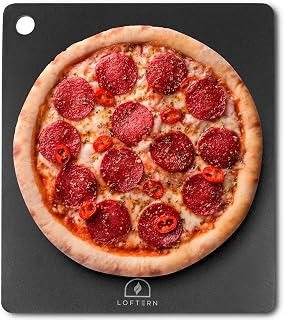
14″x16″ Pizza Stone – Heavy-Duty Carbon Steel Baking Plate
Check PricePizza stones are typically made from cordierite, clay, or ceramic composites fired at high temperatures to create a porous, heat tolerant slab. Their porous nature wicks excess moisture away from the dough, helping to crisp the crust. Stones have been the home baker’s go to for decades because they are inexpensive and deliver a noticeable improvement over a plain baking sheet. They emulate the radiant heat of a traditional brick oven moderately well.
However, stones are poor conductors of heat compared to metal. They rely on storing energy over a long preheat before radiating it gently. This slowness can be an advantage for delicate dough hydration, but it often fails to generate the rapid oven spring and char that many crave. Additionally, stones are fragile and prone to cracking from thermal shock or accidental drops, making them a semi disposable item over time.
Thermal Conductivity: Why Heat Transfer Matters
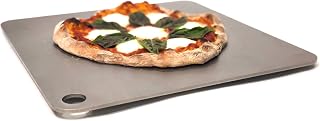
ThermiChef 16″ x 16″ Pizza Steel – 3/8″ Steel, 27.5 lbs
Check PriceThermal conductivity measures how quickly a material can soak up heat and then dump it into the food. Carbon steel scores around 50 W/mK while cordierite hovers near 2.5 W/mK, a dramatic difference. This means a steel transfers heat energy into your dough about twenty times faster once the pie hits the surface. That instantaneous blast pumps life into the yeast, causing explosive oven spring and micro bubbles in the rim.
A thicker steel, like the 3/8 inch variant shown above, bridges the gap by storing more total energy while keeping the rapid transfer. You get the best of both worlds: blistering conduction and enough thermal mass for back to back bakes. Even a quarter inch steel surpasses any stone in energy delivery, which is why so many bakers have abandoned their stones for good. The difference is visible in the first thirty seconds of the bake.
Preheat Times: Speed Matters for Busy Cooks
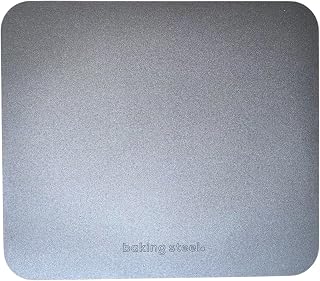
The Original Baking Steel | Pre-Seasoned & Built to Last | 14″x16″x¼”
Check PriceA typical pizza stone demands a preheat of at least 45 to 60 minutes to reach its saturation point. Because stone transfers heat sluggishly, cutting corners on preheat leaves you with a cold deck and a gummy crust. In contrast, a quarter inch pizza steel can be ready in 30 to 40 minutes, and many users find 45 minutes yields optimal results even with thicker models. This shorter warm up saves energy and makes spontaneous pizza nights more feasible.
The Original Baking Steel is a prime example of how a quarter inch plate heats evenly and rapidly. Its pre seasoned surface allows you to slide the pizza directly onto the hot metal without sticking. Preheating the steel on the top oven rack, close to the broiler element, further turbocharges the surface. This technique can slash a few more minutes while maximizing top heat for finishing.
Crust Texture and Leopard Spotting: The Ultimate Test
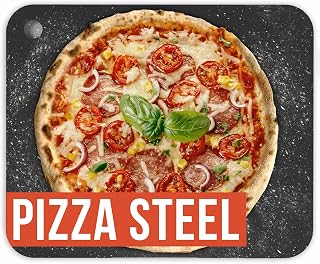
Chef Pomodoro 16 Inch Pizza Steel for Oven, Seasoned Baking Steel
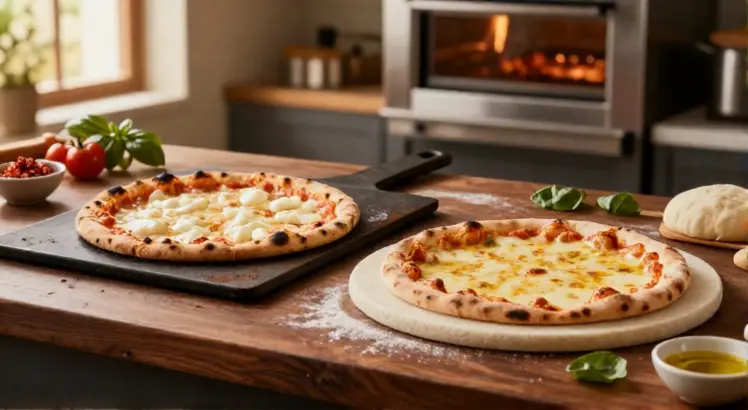
Check PriceThe ultimate goal for many is a crust that rivals a wood fired pizzeria, complete with charred spots known as leopard spotting. A pizza stone can produce moderate browning, but achieving deep, irregular charring requires the ferocious bottom heat that only steel delivers. The intense energy transfer singes the dough instantly, creating a thin, crisp shell while preserving a soft, airy interior. This textural contrast is what separates a good homemade pizza from a memorable one.
For a side by side visual guide, this detailed comparison by Serious Eats illustrates the striking difference in undercarriage browning. The Chef Pomodoro steel, with its generous 16 inch surface, allows you to bake full sized New York style pies with glorious edge to edge color. You simply cannot replicate that fierce heat imprint with a ceramic slab. Once you see the mottled, dark spots on an artisan pizza, there is no going back.
Durability and Long Term Investment
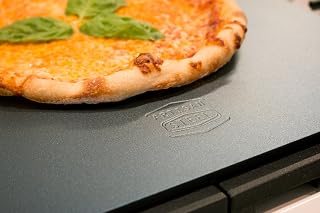
High Performance Pizza Steel Made in the USA – 16″ x 14.25″ (.25″ Thick)
Check PriceA quality steel is essentially indestructible under normal kitchen conditions. It will not crack, warp, or degrade even after years of high temperature abuse. The only maintenance involves keeping it dry and occasionally reapplying a thin layer of oil to prevent rust. In the rare event of surface rust, a simple scrub and reseasoning restores it completely, unlike a shattered stone that must be replaced.
Stones are inherently fragile, and thermal shock from moving a hot stone to a cool countertop can fracture them. They also absorb fats and sugars that can smoke and eventually degrade the material. A USA made steel like the High Performance Pizza Steel arrives clean and ready for your own seasoning ritual. This longevity makes the higher upfront cost of steel a smarter investment for frequent bakers.
Weight, Handling, and Storage Considerations
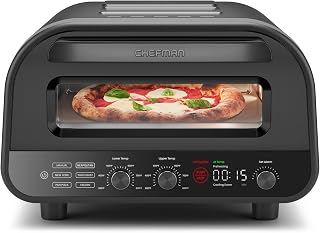
CHEFMAN Indoor Pizza Oven – Makes 12 Inch Pizzas in Minutes, Heats up to 800°F
Check PriceOne undeniable drawback of a baking steel is its heft. A 16 inch by 16 inch quarter inch plate weighs around 15 to 18 pounds, and thicker versions can top 27 pounds. Lifting a scorching hot slab in and out of the oven demands careful handling and a sturdy pair of oven mitts. If weight is a concern, you might store the steel permanently in your oven, using it as a heat sink for all baking.
Pizza stones weigh significantly less, often under 8 pounds, which makes them easier to move. However, that lightness comes with fragility. For those who prefer a self contained appliance, the CHEFMAN indoor pizza oven heats up quickly and eliminates the need for a separate baking surface. It reaches 800°F on the countertop, delivering a dedicated pizza cooking environment with no heavy lifting required.
Versatility Beyond Pizza: Breads, Pastries, and More
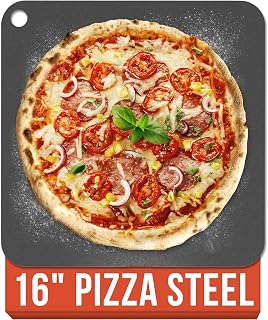
Chef Pomodoro Pizza Steel for Oven 16″x16″, 1/4″ Thick, With Lifting Holes
Check PriceA pizza steel doubles as an outstanding baking platform for artisan sourdough boules, baguettes, and flatbreads. The rapid heat transfer creates a crisp, glossy crust that rivals a professional deck oven. You can also use it like a griddle for searing smashburgers, roasting vegetables, or even reheating leftover slices without turning them soggy. Its versatility far exceeds that of a stone, which is generally limited to pizza and simple flatbreads.
Many bakers appreciate features like integrated lifting holes found on some steel models, simplifying removal from a hot oven. A steel with handles or holes keeps you from fumbling with a heavy, greasy slab. The Chef Pomodoro steel with lifting holes shows how a small design tweak greatly improves the user experience. You can seamlessly transition from baking pizza to bread without a complicated tool swap.
Pizza Steel Thickness: Does 1/4 Inch vs 3/8 Inch Make a Difference?
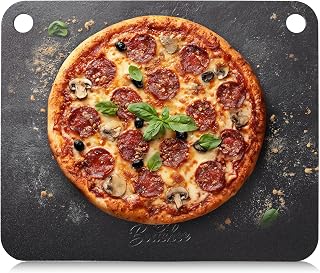
Pizza Steel XL 16″x13.4″ – Heavy-Duty Baking Steel for Oven & Grill
Check PriceSteel thickness significantly influences heat capacity without changing the rapid conductivity. A quarter inch plate, like the Boachee Pizza Steel XL, heats up faster and is easier to handle while still dramatically outperforming any stone. It is ideal for those who bake a single pizza and want a lighter, more maneuverable slab. The trade off is slightly less energy reserve for multiple pies baked consecutively.
Moving to a 3/8 inch plate adds about 50 percent more mass, which means it stays hotter longer between bakes. The extra thickness also helps resist warping under extreme broiler conditions. If you regularly host pizza parties, the thicker model ensures the fifth pie emerges as crisp as the first. However, the weight climbs above 25 pounds, making it a permanent oven fixture for most kitchens.
Price Comparison and Overall Value
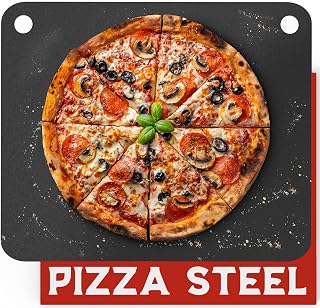
Primica Pizza Steel XL for Oven & Grill,16″x13.4″, Ultimate Crust Game Changer
Check PriceQuality pizza stones can be found for $30 to $60, while a reputable quarter inch baking steel usually starts around $60 and goes up to $120. The Primica Pizza Steel XL offers a well priced entry point without sacrificing performance or size. Considering that a steel is virtually indestructible, the lifetime cost per use drops to pennies. A stone that cracks after a year forces you to spend again, erasing the initial savings.
When you factor in the superior crust quality and faster preheat, the steel’s premium feels justified. Many home bakers view it as a one time kitchen upgrade on par with a stand mixer. Spending a bit more on a versatile slab that bakes bread, sears meats, and crisps pizza creates genuine value. In the long run, the higher price tag delivers far more culinary joy than a disposable stone.
How to Choose the Best Surface for Your Oven
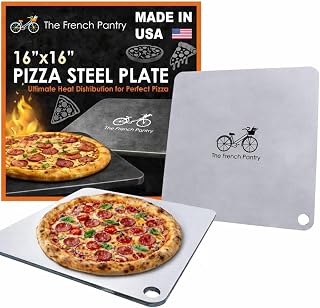
16″ x 16″ Pizza Steel, Deluxe Thickness Baking Steel for Homemade Pizza
Check PriceStart by measuring your oven’s interior width and depth, leaving at least an inch around all sides for airflow. If you bake only occasionally and weight is a concern, a 1/4 inch steel with dimensions like 14 by 16 inches strikes a great balance. Enthusiasts who want showstopping leopard spots and back to back baking should opt for a 3/8 inch thick plate. Always ensure the slab is made from food grade carbon steel for safety and performance.
Once you have your new surface, pair it with the ideal baking temperature to achieve a perfectly puffed cornicione. The Deluxe Thickness Baking Steel is a solid all around pick, offering ample mass and a square footprint. Regardless of the model you select, seasoning it properly will build a slick, nonstick patina that only improves with time. Your oven will suddenly feel like a far more capable pizza maker.
FAQ: Common Questions About Pizza Steels and Stones
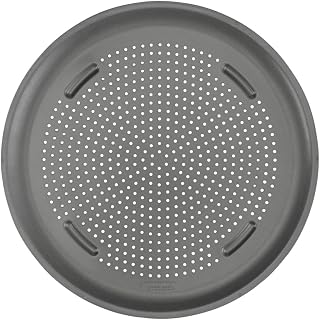
GoodCook AirPerfect Pizza Pan with Cutting Guides, 16-Inch, Gray
Check PriceCan I use a pizza steel on a grill? Yes, a steel works beautifully on a gas or charcoal grill. Place it over indirect heat and allow it to preheat with the lid closed. The intense ambient heat combined with the steel’s conduction creates an outdoor pizza oven effect. Just monitor surface temperature with an infrared thermometer to avoid scorching the bottom.
Do I need to season a pizza steel? Most brands ship either raw or pre seasoned with a food safe oil coating. If your steel arrives bare, wash it, dry immediately, and rub a thin layer of flaxseed or canola oil all over. Bake it upside down at 400°F for one hour to set the seasoning. Repeat if necessary, and never use soap on a seasoned surface.
Will a pizza steel warp in my oven? Warping is rare with quality 1/4 inch or thicker carbon steel under typical home oven temperatures up to 550°F. To minimize risk, avoid drastic temperature changes such as plunging a hot steel into cold water. Always let the steel cool gradually inside the oven. If it ever bows slightly, simply flip it over and the bow will correct with use.
Can I use parchment paper on a baking steel? Absolutely, parchment paper simplifies launching the pizza and keeps the steel clean. Trim the parchment close to the dough’s edge to avoid it burning. The steel’s high heat will still transfer effectively through the paper. After one minute, you can slide the paper out from under the pizza if desired.
How do I clean a pizza stone or steel? For a steel, scrape off any stuck bits with a metal spatula while it is still hot, then wipe with a dry cloth. Avoid water when possible, but for stubborn spots use a damp cloth and immediately re season with oil. For a stone, never use soap, simply scrape and brush off debris. A blackened stone is normal and will not affect performance.
Some home cooks also experiment with perforated pizza pans like the GoodCook AirPerfect for a crisp base without a stone or steel. Perforations allow hot air to circulate under the crust, yielding a texture closer to a pizzeria pan. However, a pan cannot replicate the intense bottom heat and leopard spotting that a steel provides. Think of it as a convenient accessory for sheet pan style pizzas rather than a steel replacement.
Choosing between a pizza steel and a stone finally boils down to your texture goals and dedication. The steel consistently delivers faster preheat, superior char, and unmatched durability. A stone still holds value for budget conscious bakers who appreciate a slower, gentler bake. Yet for anyone chasing that professional quality crust at home, upgrading to a heavy slab of carbon steel is the single most transformative move you can make.