Why Pizza Steel is Good: Upgrade for Crispy Home Pizza
Understanding the Pizza Steel Advantage
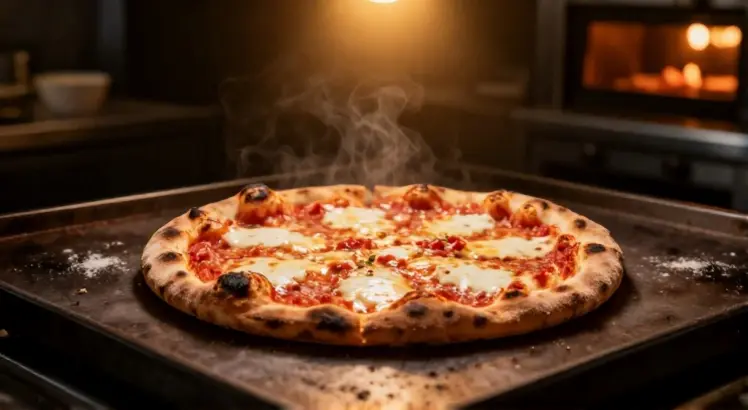
A pizza steel is simply a thick slab of carbon or stainless steel designed to sit inside your home oven. It mimics the intense heat of a professional brick oven by absorbing and transferring energy far more efficiently than a standard baking sheet. When you place raw dough on its blazing surface, the steel releases stored heat instantly into the crust. This rapid thermal transfer is the secret behind the puffy, charred edges and crispy bottom that home bakers often struggle to achieve.
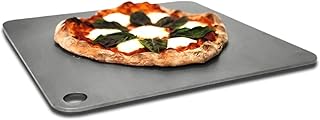
ThermiChef 16″ x 16″ Pizza Steel – 1/4″ Steel, 17.6 lbs
Check PriceThe Science Behind Thermal Conductivity
Thermal conductivity measures how quickly a material can absorb and move heat. Steel outperforms ceramic stone by a wide margin in this crucial metric, making it a superior cooking surface. A typical pizza steel holds roughly twice the thermal energy of an equally thick stone at the same temperature. This means your dough receives a massive, immediate burst of heat the moment it lands on the steel surface. The result is rapid oven spring, where trapped water and air expand dramatically to create those coveted open, airy crumb structures inside the crust.
Heat capacity is equally important for maintaining steady temperatures during baking. Steel stores enormous amounts of energy and does not experience the sharp temperature drops common with stones. After you slide a pizza onto the surface, the steel recovers its heat almost instantly. Consistent heat recovery allows you to bake multiple pizzas back to back without waiting long between each one. For home cooks who entertain, this feature alone makes the investment worthwhile.
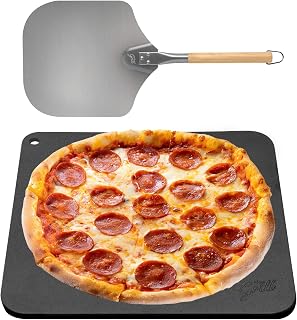
Pizza Steel PRO by Hans Grill | XL 1/4″ Thick Square Conductive Metal Baking Steel
Check PricePizza Steel vs Stone: Why Steel Wins
Many home bakers start their journey with a ceramic pizza stone, but steel quickly proves its superiority in controlled tests. Stones are porous and prone to cracking under high heat or thermal shock, while a solid steel plate is virtually indestructible. Our detailed pizza steel versus stone comparison explains the science in depth. Steel also absorbs moisture less readily, which prevents the soggy bottom crust that sometimes plagues stone bakers. For anyone serious about achieving professional results, upgrading from stone to steel is a logical and rewarding step.
Stones require lengthy preheating times and still struggle to hit the ideal temperature range for Neapolitan style pies. Steel reaches higher surface temperatures faster and sustains them throughout the bake. The non porous nature of steel also simplifies cleanup compared to a stained and seasoned stone. You will spend less time maintaining your equipment and more time enjoying perfectly baked pizzas with leopard spotted undersides.
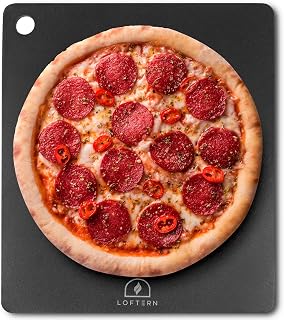
14″x16″ Pizza Steel – Heavy-Duty Carbon Steel Baking Plate
Check PriceHow Thickness Impacts Your Results
Thickness is the single most important specification when choosing a pizza steel. A quarter inch plate is the standard entry point, offering excellent performance for most home ovens. Stepping up to a three eighths inch or even half inch steel provides exponentially more heat storage and even greater thermal stability. The trade off is weight, a thick steel can easily exceed 25 pounds and requires careful handling. However, the increased mass translates directly to darker, crispier crusts and faster bake times.
Thinner steels heat up slightly faster but cool down more quickly when cold dough hits the surface. A thicker plate acts as an enormous thermal battery that refuses to quit. For bakers who want to replicate the blistering heat of a wood fired oven indoors, the heaviest steel you can safely manage is the best choice. Check out our guide on the best pizza steel for home ovens to compare sizes and thicknesses. Always measure your oven interior carefully before ordering to ensure a proper fit with adequate airflow around all sides.
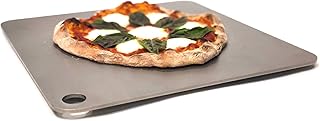
ThermiChef 16″ x 16″ Pizza Steel – 3/8″ Steel, 27.5 lbs
Check PriceSeasoning Your Steel for Non Stick Performance
Most pizza steels arrive unseasoned and require a simple initial treatment before first use. Seasoning involves coating the bare metal with a thin layer of high smoke point oil and baking it at high heat. This process polymerizes the oil into a durable, non stick patina that protects against rust. A well seasoned steel will develop a dark, almost black surface over time that releases dough effortlessly. Regular use only improves the seasoning, much like a cherished cast iron skillet passed down through generations.
To season your steel, wash it with hot water and mild soap to remove any manufacturing residue. Dry it completely, then rub a tiny amount of flaxseed or grapeseed oil over every surface. Buff away the excess until the steel looks nearly dry, then place it in a 400 degree Fahrenheit oven for one hour. Repeat this process two or three times for a rock solid foundation. Always allow the steel to cool inside the oven to prevent warping from rapid temperature changes.
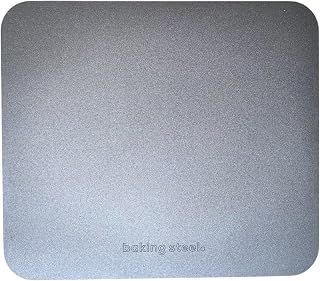
The Original Baking Steel | Pre-Seasoned & Built to Last | 14″x16″x¼”
Check PricePreheating Your Pizza Steel the Right Way
Proper preheating is essential to unlock the full potential of your pizza steel. Set your oven to its highest temperature, typically 500 to 550 degrees Fahrenheit, and position the steel on the top rack. Allow at least 45 minutes for the steel to fully saturate with heat before baking. Use an infrared thermometer to verify that the surface temperature has stabilized. Rushing this step is the most common mistake that leads to pale, underwhelming crusts.
Some bakers activate the broiler for the final 10 minutes of preheating to supercharge the steel. This technique can push the surface temperature beyond 600 degrees Fahrenheit, approaching true pizzeria conditions. If you choose this method, monitor the steel closely to avoid overheating. The intense heat stored in a properly preheated steel will cook a thin Neapolitan style pizza in just 4 to 6 minutes. That speed is what creates the perfect contrast between a charred exterior and a soft, tender interior crumb.
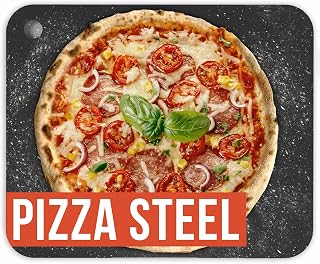
Chef Pomodoro 16 Inch Pizza Steel for Oven, Seasoned Baking Steel
Check PriceCreating Restaurant Quality Crust at Home
The hallmark of a great pizza is the crust, and steel delivers results that rival professional ovens. A properly heated steel produces the distinctive leopard spotting pattern of small charred bubbles on the underside. This micro blistering adds both visual appeal and a subtle smoky flavor. Achieving this effect requires high hydration dough, typically 65 to 70 percent water content. The moisture in the dough rapidly turns to steam upon contact with the scorching steel surface.
For the best results, use a dough recipe that includes a long cold fermentation period of 24 to 72 hours. Cold fermentation develops complex flavors and improves the dough’s extensibility. Stretch the dough gently by hand, leaving a slightly thicker rim around the edge for the cornicione. Top sparingly, a pizza steel works best with minimalist toppings that allow the crust to shine. The intense bottom heat will cook the base thoroughly before the cheese has a chance to burn or separate.
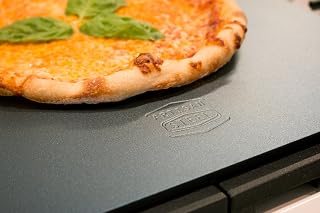
High Performance Pizza Steel Made in the USA – 16″ x 14.25″ (.25″ Thick)
Check PriceVersatile Cooking Beyond Pizza
A pizza steel is far more versatile than its name suggests. The massive thermal mass makes it an outstanding surface for baking artisan breads with crackling crisp crusts. Sourdough boules and baguettes develop exceptional oven spring when baked directly on preheated steel. The even heat distribution eliminates the hot spots that plague many home ovens. You can also use the steel on your stovetop as a flat griddle for searing steaks or cooking pancakes.
Vegetables roasted on a pizza steel caramelize beautifully while retaining their interior moisture. Asparagus, bell peppers, and sliced zucchini develop deep, sweet flavors in minutes. The steel also excels at reheating leftover pizza, restoring the crispy bottom that microwaves destroy. Place cold slices directly on the preheated steel for 2 to 3 minutes. The result tastes remarkably close to freshly baked, with revived crunch and gooey cheese.
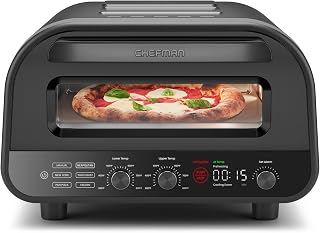
CHEFMAN Indoor Pizza Oven – Makes 12 Inch Pizzas in Minutes, Heats up to 800°F
Check PriceTemperature and Timing Essentials
Mastering temperature control is the key to consistent results with a pizza steel. An infrared thermometer is an invaluable tool that eliminates guesswork. Aim for a surface temperature between 550 and 600 degrees Fahrenheit for classic New York style pies. Neapolitan style pizzas benefit from even higher heat, approaching 650 degrees if your oven allows it. Each style of pizza has an optimal temperature window that maximizes flavor and texture.
Baking times will vary based on dough thickness and steel temperature, but most pizzas finish in 4 to 7 minutes. Watch for the edges to puff and brown while the cheese melts and bubbles gently. Rotate the pizza halfway through baking using a metal peel for even color development. Avoid opening the oven door too frequently, as heat loss extends cooking time. A quick peek through the window is usually sufficient to gauge progress.
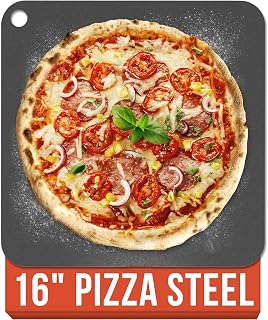
Chef Pomodoro Pizza Steel for Oven 16″x16″, 1/4″ Thick, With Lifting Holes
Check PriceAvoiding Common Pizza Steel Mistakes
Even experienced cooks make errors when transitioning to a pizza steel. The most frequent mistake is insufficient preheating time, which leads to disappointing crusts. Another common issue involves using too much flour or semolina on the peel. Excess flour burns on the hot steel and imparts a bitter, acrid taste. Use just enough flour to allow the dough to slide freely, and gently shake the peel before launching.
Overloading the pizza with toppings creates a heavy, soggy pie that is difficult to transfer. A pizza steel works best with a light hand, allowing the intense heat to do its work. Another pitfall is neglecting to clean the steel between bakes. Burnt flour and cheese residue can smoke and affect flavor. A stiff bench scraper or wire brush removes debris quickly while the steel is still warm.
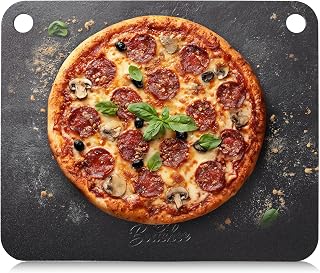
Pizza Steel XL 16″x13.4″ – Heavy-Duty Baking Steel for Oven & Grill
Check PricePizza Steel Compared to Countertop Pizza Ovens
Countertop pizza ovens have surged in popularity, but a pizza steel offers distinct advantages. Steel requires no dedicated counter space and costs a fraction of the price of a specialized appliance. It lives permanently in your oven, always ready to perform. While dedicated ovens can reach 800 degrees Fahrenheit or higher, a steel equipped home oven can still produce exceptional results at its maximum temperature. For apartment dwellers or those with limited kitchen space, steel is the practical choice.
Dedicated pizza ovens excel at ultra fast Neapolitan bakes, but they often struggle with thicker styles. A pizza steel handles everything from cracker thin tavern style to deep dish with equal finesse. The versatility factor heavily favors steel for the home cook who wants variety. According to culinary experts at Serious Eats, a quality pizza steel is the single best investment for improving homemade pizza without remodeling your kitchen. The simplicity and durability of a solid steel plate are hard to beat.
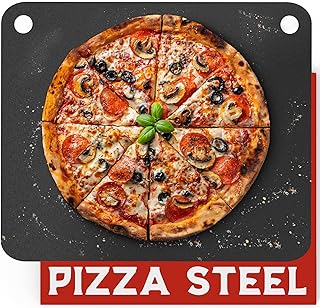
Primica Pizza Steel XL for Oven & Grill,16″x13.4″, Ultimate Crust Game Changer
Check PricePro Tips for Perfect Pizza Every Time
Use a wooden peel for launching and a metal peel for retrieving and rotating pizzas. Wooden peels absorb moisture and prevent sticky dough from clinging. Dust the peel lightly with a blend of flour and fine semolina for superior release. Work quickly when topping the dough to prevent it from absorbing moisture and becoming hard to slide. Confidence in your launch technique develops with practice and repetition.
Experiment with different rack positions to find the sweet spot in your specific oven. The top rack typically provides the best balance of top and bottom heat. If your cheese browns too quickly, position the steel one rack lower. For extra char on the crust, finish the pizza under the broiler for 30 to 60 seconds. This final burst of radiant heat creates the puffy, blistered cornicione that defines artisan pizza.
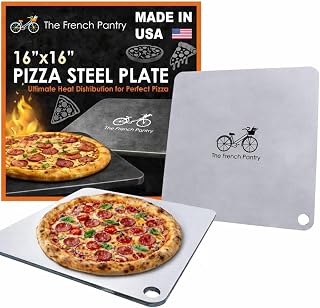
16″ x 16″ Pizza Steel, Deluxe Thickness Baking Steel for Homemade Pizza
Check PriceFrequently Asked Questions
Can I leave my pizza steel in the oven all the time?
Yes, storing your steel in the oven is completely safe and actually beneficial. It acts as a thermal buffer that stabilizes oven temperatures during regular baking. The added mass helps your oven maintain consistent heat for all types of cooking. Just remember it is in there before preheating for other recipes. Remove it if you need the extra rack space for large roasters or multiple sheet pans.
How do I clean a pizza steel properly?
Never use soap on a seasoned pizza steel, as it will strip away the protective patina. Scrape off any stuck food with a metal spatula or bench scraper while the steel is still warm. For stubborn spots, sprinkle coarse salt on the surface and scrub with a damp cloth. Rinse with plain water and dry immediately with a towel. Apply a micro thin layer of oil after cleaning to maintain the seasoning.
Will a pizza steel warp over time?
Quality pizza steels made from thick carbon steel are highly resistant to warping. Avoid exposing a hot steel to cold water or placing it on a cold surface immediately after baking. Allow the steel to cool gradually inside the turned off oven. Steels that are at least one quarter inch thick have sufficient mass to withstand thousands of heat cycles without distortion. Thinner plates are more susceptible to warping under extreme temperatures.
Is a pizza steel better than a pizza stone?
For the vast majority of home bakers, a pizza steel outperforms a pizza stone in every measurable way. Steel conducts heat faster, stores more energy, and will never crack or shatter. Stones have a slight advantage in moisture absorption, but this benefit is marginal. The durability and superior browning capabilities of steel make it the clear winner. Once you bake on steel, you will never go back to stone.
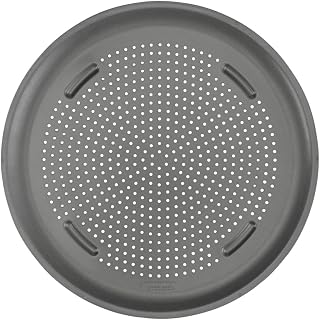
GoodCook AirPerfect Pizza Pan with Cutting Guides, 16-Inch, Gray
Check PriceCan I use a pizza steel on a grill?
Absolutely, a pizza steel works brilliantly on gas or charcoal grills. The steel shields the dough from direct flame while channeling intense heat upward into the crust. Place the steel on the grill grates, close the lid, and preheat for at least 30 minutes. Monitor the temperature with an infrared thermometer to avoid overshooting your target. Grilled pizzas on a steel develop a subtle smokiness that is impossible to achieve indoors.
A pizza steel transforms an ordinary home oven into a legitimate pizza making powerhouse. The science of thermal conductivity explains why steel consistently outperforms stone, but the real proof is in the first bite of a perfectly charred, chewy crust. Whether you are a weekend hobbyist or an aspiring pizzaiolo, this single tool will elevate your baking dramatically. Invest in the thickest steel your oven can accommodate, season it well, and preheat it thoroughly. Your homemade pizza nights will never be the same again.