What Does a Pizza Dough Docker Do? A Complete Guide
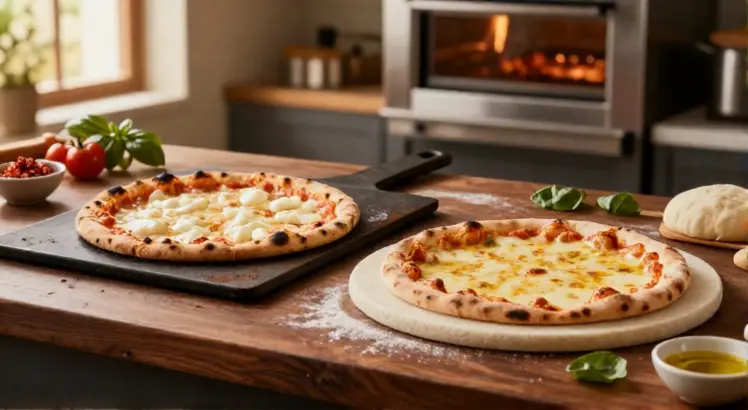
Every pizza maker, from home enthusiast to seasoned pro, encounters a common problem: an uneven crust that balloons unpredictably in the oven. These air pockets can leave dense, undercooked spots or massive charred bubbles that ruin toppings. A simple, handheld tool called a pizza dough docker offers a fast, reliable solution that ensures a flat, crisp, and perfectly baked base every time.
What Is a Pizza Dough Docker?
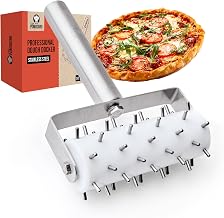
Chef Pomodoro Dough Docker, Pizza Roller, Pizza Dough Roller 7mm Spikes
Check PriceA pizza dough docker is a specialized roller covered in food safe plastic or stainless steel spikes. It resembles a miniature garden aerator or a tiny, fierce looking rolling pin. By rolling this spiked wheel across stretched dough, you perforate the surface with dozens of neat, shallow holes. These tiny punctures allow steam to escape during baking, stopping uncontrolled bubble formation and delivering a consistently even, cracker thin or artisanal style crust.
Home bakers often confuse a docker with a standard rolling pin, yet its function is entirely different. While a rolling pin flattens and spreads dough, a docker intentionally pierces it without compressing the gas structure too much. This leaves the dough’s texture intact while directing the oven spring where you want it. Think of it as a precision venting tool, one that gives you mastery over crust character.
How a Dough Docker Works
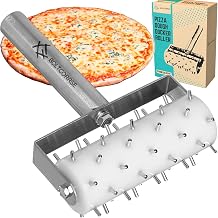
Professional Pizza Dough Docker Stainless Steel Pizza Roller with Spikes Pastry Dough Docker for Cracker, Homemade Bread, Pie, Cake, Cookies
Check PriceThe principle is straightforward: stove heat rapidly turns water in dough into steam. If that steam has no escape route, it gathers beneath the upper dough layer and balloons into an air pocket. A docker creates a grid of tiny steam vents before the pizza ever hits the oven. Heat then expels moisture through these perforations rather than forcing the dough to blister.
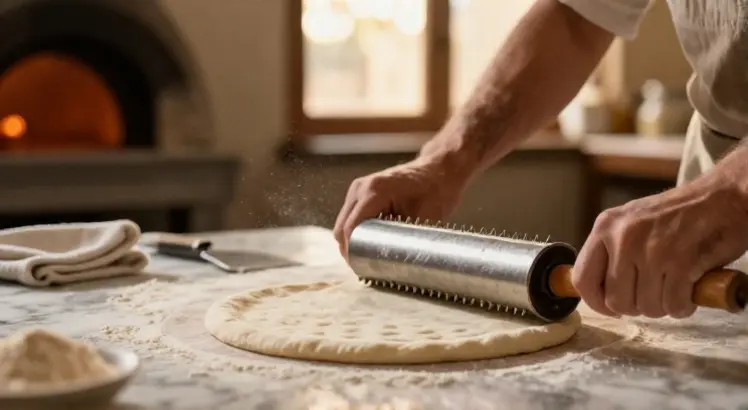
You simply roll the docker over your shaped pizza skin with gentle, consistent pressure. The spikes penetrate just enough to break the top gluten membrane but not to cut through the bottom. In a 9 inch pie, you might create over 100 micro vents. That dense pattern channels steam out evenly, so the dough bakes flat and crisp without one giant bubble ruining the presentation.
The Science Behind Dough Docking
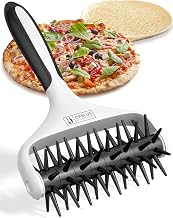
Orblue Pizza Dough Docker Pastry Roller with Spikes, Pizza Docking Tool for Home & Commercial Kithen – Pizza Making Accessories that Prevent Dough from Blistering, Black
Check PriceGluten sheets capture carbon dioxide during fermentation, forming a lattice that traps gas. When heat hits, those gases expand rapidly, and without intervention, they push the dough upward in large, isolated bubbles. Docking severs the gluten strands at short intervals, limiting the size any single bubble can attain. Each hole becomes a weak point that relieves pressure evenly across the entire base.
According to PMQ Pizza Magazine’s guide, consistent docking also promotes a more uniform crumb structure in thin crusts. Instead of random caverns, you get a fine, even texture that holds toppings securely. The science is simple yet profound: controlled venting transforms chaos into craftsmanship.
Why Use a Dough Docker?
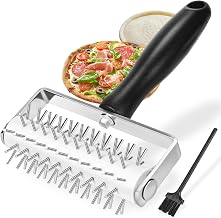
Pizza Dough Docker, Premium Dough Roller with Stainless Steel Spikes, Sturdy Pizza Docking Tool that Prevents Dough from Blistering, Time-Saver for Making Pizza Cookie Pie Pastry
Check PriceThe most immediate benefit is bubble control, which matters especially for thin crust styles such as New York or St. Louis. No one wants sauce pooling in a air pocket while cheese slides off. Dockers also improve topping stick, because a smooth, flat base gives cheese and vegetables a uniform landing zone. The result is a pizza that looks as good as it tastes.
Beyond aesthetics, docking speeds up baking. A perforated crust transfers heat more efficiently and reduces the insulating effect of trapped air. This means a faster cook, a crisper bottom, and less chance of a gummy center. Professional pizzerias rely on dockers daily to maintain consistency across dozens of pies.
Types of Pizza Dough Dockers
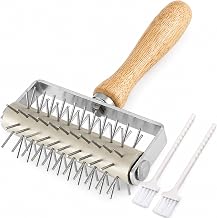
Pizza Dough Docker Pastry Roller Stainless Steel,Pizza Docking Tool
Check PriceThe most common home style is a single roller with stainless steel or plastic spikes mounted on a handle. Commercial kitchens might use larger, multi wheel models that cover more area in one pass. Some dockers come with a protective cover that guards the spikes when not in use, a handy feature if yours shares a drawer with other tools.
Plastic spike dockers are gentle on dough and often dishwasher safe, while steel versions exude durability and professional feel. The handle material also varies: wood offers classic warmth, and nylon or rubber provides a non slip grip. The choice largely depends on your volume of baking and personal comfort, but any quality docker will serve the same core function.
Dough Docker vs. Fork: Which Is Better?
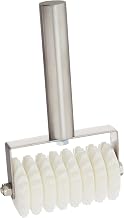
Winco 8-Wheel Dough Roller Docker
Check PriceMany home cooks wonder whether they can just jab a dinner fork into dough. While a fork does create holes, it can’t match the consistency of a dedicated docker. Fork tines are irregular, and your wrist angle changes with each press, leaving uneven spacing and varying depth. A docker’s rolling motion produces perfectly spaced, identical perforations every time.
Fork docking also tears gluten more aggressively, which can cause thin spots. A roller’s spikes pierce cleanly without dragging. For an occasional pizza, a fork works, but for anyone aiming for repeatable results, especially with proper dough stretching technique, a docker is a modest investment that pays off immediately.
When to Use a Docker (and When Not To)
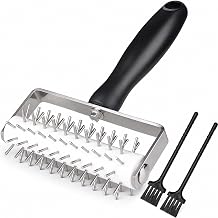
Pizza Dough Docker Pastry Roller Stainless Steel,Pizza Docking Tool
Check PriceDock thin crust, sheet pizzas, and any style where a flat, even base is essential. Cracker style dough, in particular, benefits from aggressive docking because any trapped steam would puff the cracker into an unwanted biscuit. It is also wise to dock when you load pizza with heavy, wet toppings that slow evaporation, as the venting path helps the bottom cook through.
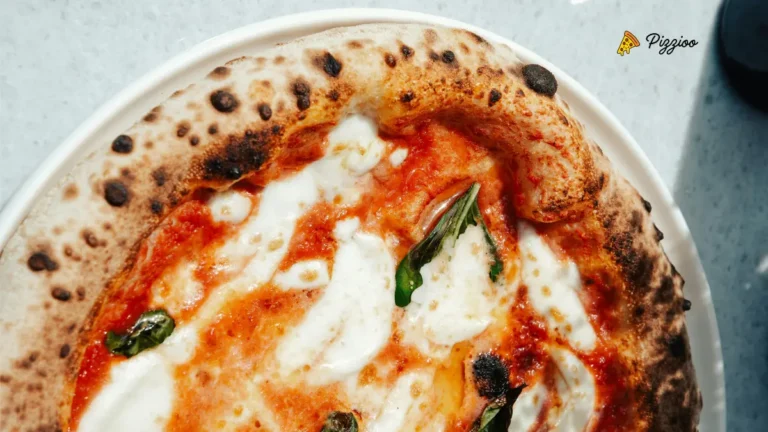
However, skip docking on classic Neapolitan or airy pan styles where you want pronounced, charred bubbles. Those styles rely on that architexture for their signature texture. In those cases, hand pressing and gentle shaping preserve the gas bubbles that give the cornicione lift. Use the docker only when a uniform crumb is the goal.
Step by Step Guide to Docking Pizza Dough
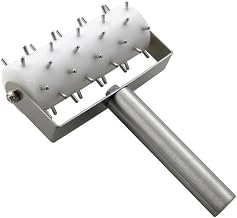
Winco , Medium, White, Stainless Steel
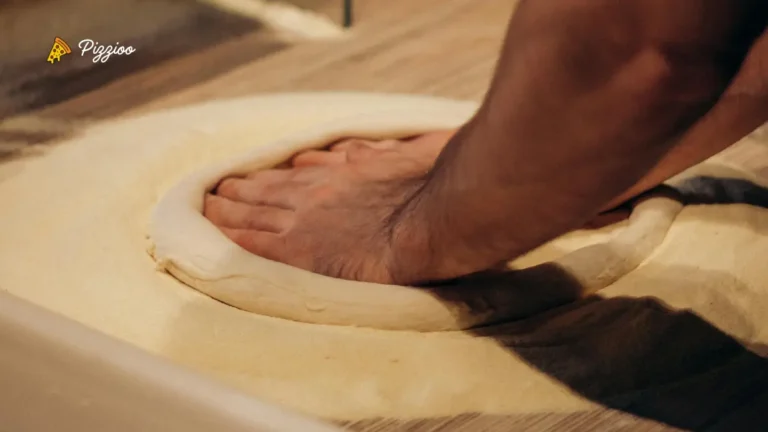
Check Price- Shape your dough on a floured workurface until it reaches the desired thickness.
- Lift the dough and gently transfer it to a pizza peel or parchment lined tray.
- Hold the docker handle firmly and roll across the entire surface with even, light pressure.
- Turn the dough 90 degrees and roll again to create a crosshatch pattern of vents.
- Check that the perforations do not cut completely through; you want dimples, not holes.
This crosshatching ensures no area remains unvented, a common oversight. After docking, immediatly top the pizza and bake. The holes will partly seal under the weight of sauce but remain open enough to release steam. Do not let the docked dough sit long, or the gluten may relax and close the vents.
Tips for Perfect Dough Docking
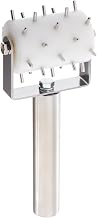
Winco RD-2 Dough Roller Docker, 1/2-Size,White, Stainless Steel,Medium
Check PriceUse a light touch; pressing too hard can tear the dough or turn the base into a cracker before baking. Always test on a small patch first if you are new to docking. A top rated dough docker with well machined spikes makes all the difference in achieving clean perforations without sticking, so invest in a quality tool.
Flour the docker spikes lightly if you encounter sticking. Refrigerated dough is firmer and docks more cleanly, but the tool works on room temperature dough too. If you are baking on a pizza steel or stone, docking combined with those surfaces gives a remarkably crisp bottom crust that rivals any pizzeria.
Cleaning and Maintenance
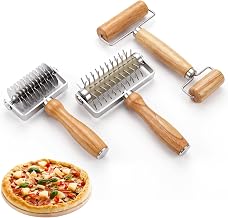
3 Pack Pizza Roller Pizza Dough Roller Stainless Steel Dough Docker
Check PriceMost plastic dockers are dishwasher safe, but hand washing prolongs spike sharpness. Stainless steel rollers can go into the dishwasher without worry, though wood handled models should always be hand washed. After cleaning, dry the tool immediatly to prevent any hidden moisture pockets between spikes, which could lead to microrust on metal pins.
Store the docker with a cover or in a dedicated drawer slot. Loose spikes can damage other utensils or bend if a heavy pot is plonked on them. A well maintained docker will last years, delivering thousands of perfect pies without any loss of function or rust.
Common Mistakes to Avoid
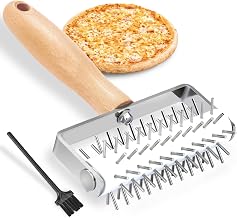
Pizza Dough Docker, Professional Dough Roller with Stainless Steel Spikes Wood Handle, Sturdy Pizza Docking Tool for Home & Commercial Kitchen, Time-Saver for Making Pizza Pie Pastry Bread
Check PriceThe biggest error is docking too lightly, which leaves large unperforated gaps where bubbles form. Equaly problematic is pressing so hard that the dough rips or the spikes exit the bottom, creating literal holes that leak sauce onto the stone. Aim for a consistent dimple pattern that does not breach the underside.
Another misstep is docking too early. Stretched dough left to sit after docking can slowly ferment and reseal the vents. Always dock just before saucing and topping. Finally, avoid using a docker on enriched doughs like deep dish or foccacia, where gas retention is prized and venting would ruin the airy structure.
Frequently Asked Questions
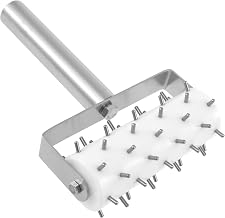
Stainless Steel Pizza Dough Docker with Spikes, Professional Pizza Dough Roller, Ergonomic Pizza Roller, Multifunctional Pizza Docker, Pizza Dough Press for Making Pizza Cookie Pie Pastry, Silver
Check PriceCan I use a dough docker on frozen pizza dough?
Frozen dough should be thawed completely before docking. Attempting to roll spikes over rock solid dough can damage the tool and will not create effective vents. Thaw overnight in the refrigerator, then dock when the dough is pliable.
Does docking affect dough rise at the edges?
If you keep the docker within the flat area and avoid rolling over the cornicione rim, the edge rise remains unaffected. The outer inch of dough, left undocked, still expands to give that beautiful puffy crust while the center stays flat.
How many times should I roll the docker?
Two passes, perpendicular to each other, are suficent for most 12 inch pizzas. For extra large or cracker thin sheets, you may do a third pass. Over docking can merge holes into slits, so stop once the surface shows an even pattern.
Conclusion
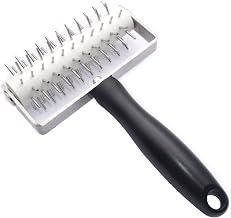
AMPSEVEN Pizza Dough Docker Roller – Professional Stainless Steel Pastry Docker Roller with Spike for Homemade Baking Cake cracker Pie Hole Maker,Prevent Dough from Blistering
Check PriceA pizza dough docker is a small tool that makes a big impact, transforming unpredictable bubbles into a reliably flat, crisp crust. By understanding how and when to use one, you gain control over your bake and elevate every pie you make. From equal toping adherence to faster cooking times, the benefits are immediate and noticeable.
Investing in a quality docker and pairing it with proper technique ensures that your homemade pizza rivals restaurant quality. Dock right before topping, use a gentle yet thorough roll, and watch the stteam vents work their magic. With this simple habit baked into your routin, perfect crisp crusts become your new normal.