How to Make Tomato Sauce for Pizza
Homemade tomato sauce transforms a simple pizza into something truly memorable. It delivers bright, fresh flavor that canned options often lack. With just a few quality ingredients, you can whip up a sauce that rivals your favorite pizzeria’s. Follow along to master every step, from selecting tomatoes to storing your creation.
Understanding the Role of Tomato Sauce in Pizza
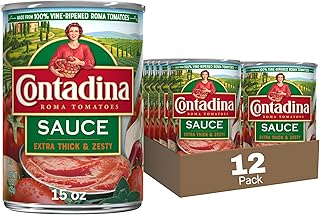
Contadina Extra Thick & Zesty Tomato Sauce 15 oz. Can (pack of 12)
Check PricePizza sauce acts as the flavor foundation beneath cheese and toppings. A balanced sauce should complement, not overpower, the dough and mozzarella. It brings moisture, acidity, and a hint of sweetness to every bite. Whether you prefer a raw or cooked version, starting with great tomatoes makes all the difference.
The ideal pizza sauce is neither too watery nor too thick. A loose sauce can make the dough soggy, while an overly pasty one bakes into a dry layer. Achieving a smooth yet spoonable consistency ensures an even spread. This balance lets the crust crisp up perfectly.
Choosing the Best Tomatoes for Pizza Sauce
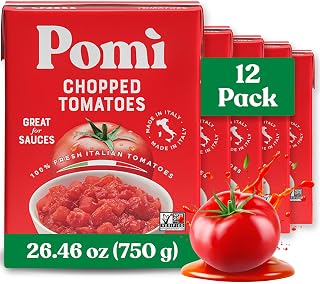
Pomì Chopped Tomatoes 26.46oz (Pack of 12)
Check PriceSelecting the right tomatoes determines the sauce’s sweetness and acidity. Whole peeled San Marzano tomatoes are the gold standard for many pizzaiolos. They offer a vibrant, low acid flavor that requires minimal cooking. Alternatively, crushed or diced varieties work well for a chunkier, rustic texture.
Canned tomatoes are convenient and often picked at peak ripeness. As Serious Eats’ guide to canned tomatoes explains, the right variety can elevate your sauce instantly. For more recommendations, see our roundup of the best canned tomatoes for pizza sauce. Always look for products without added salt or basil if you want complete flavor control.
Fresh vs. Canned Tomatoes: Which is Better?
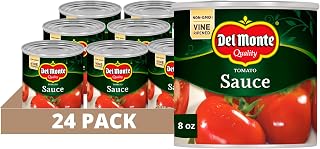
Del Monte Canned Tomato Sauce, 8 oz (Pack of 24 Cans)
Check PriceFresh tomatoes shine in peak summer months when they are sweet and juicy. You will need to blanch and peel them, which adds extra prep time. Canned tomatoes, on the other hand, deliver consistent quality year round. They are processed right after harvest, locking in flavor and saving you effort.
Canned options also allow you to select specific tomato varieties like San Marzano. Fresh tomatoes can be unpredictable in acidity and water content, requiring adjustments. For an unconditionally reliable sauce, high quality canned tomatoes are the safer bet. That said, a combination of fresh and canned can create a wonderfully complex profile.
Essential Ingredients for a Classic Pizza Sauce
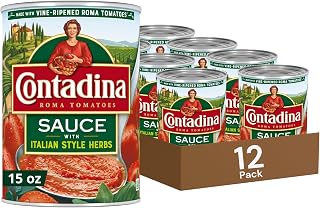
Contadina Tomato Sauce with Italian Herbs, 15 oz (Pack of 12 Cans)
Check PriceA timeless pizza sauce starts with just a handful of ingredients. You will need crushed or whole peeled tomatoes, extra virgin olive oil, and fine sea salt. Many recipes also call for fresh garlic, dried oregano, and a pinch of sugar. This minimalist approach lets the tomato flavor shine without distractions.
Olive oil adds a silky mouthfeel and helps carry fat soluble flavors. Salt is crucial for drawing out the natural sweetness of tomatoes. Garlic can be used raw for punch or lightly sautéed in the oil for a mellower note. Optional additions like crushed red pepper or fresh basil can be stirred in at the end.
How to Season Your Sauce for Maximum Flavor
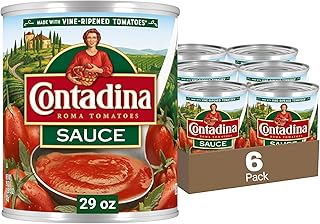
Contadina Tomato Sauce, 29 oz (Pack of 6 Cans)
Check PriceSeasoning transforms a plain tomato base into a vibrant pizza companion. Dried oregano, basil, and a hint of garlic powder are the classic trio. Fresh herbs should be added after cooking to preserve their delicate oils. A small pinch of sugar can balance acidity if the tomatoes are particularly tart.
Remember that pizza sauce will concentrate in a hot oven, so bold seasoning upfront pays off. Start with half a teaspoon of dried oregano per cup of tomatoes and adjust to taste. Crushed red pepper flakes can introduce a pleasant heat that complements cured meats. Always stir and taste before using, letting the flavors meld for at least 30 minutes.
Step by Step: Making No Cook Pizza Sauce
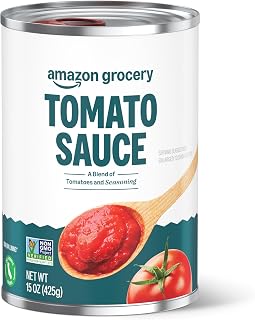
Amazon Grocery, Tomato Sauce, 15 oz (Previously Amazon Fresh, Packaging May Vary)
Check PriceThe easiest tomato sauce requires no stove time. Simply empty a can of whole peeled tomatoes into a bowl along with their juices. Crush them by hand or pulse briefly with an immersion blender for a slightly chunky texture. Then stir in olive oil, salt, and dried oregano, and your sauce is ready.
For a fresh, vibrant finish, stir in chopped basil right before spreading. A no cook sauce retains the bright, raw tomato character that pairs beautifully with fresh mozzarella. Let the prepared sauce sit at room temperature for 15 minutes to allow flavors to marry. Use it immediately or refrigerate for up to three days.
How to Make Cooked Pizza Sauce on the Stove
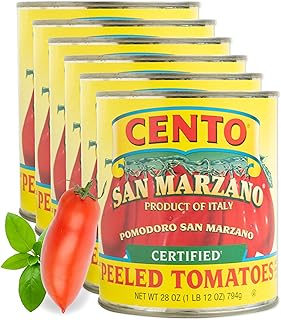
Cento Certified San Marzano Whole Peeled Tomatoes with Basil, 28 oz, 6 Pack
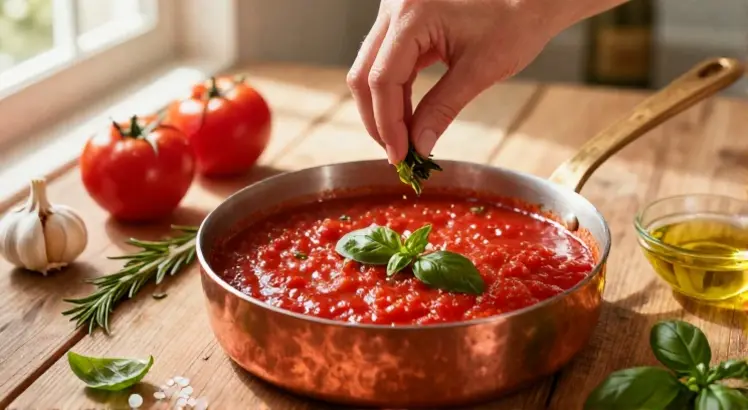
Check PriceA cooked sauce deepens in flavor and thickens gently. Warm a tablespoon of olive oil in a saucepan over medium heat. Add minced garlic and sauté until fragrant but not browned, about 30 seconds. Pour in crushed tomatoes, stir in salt and dried herbs, then simmer uncovered for 20 minutes.
Stir occasionally to prevent sticking and use a wooden spoon to break up any large tomato pieces. The sauce is done when it coats the back of a spoon and the flavors have married. Let it cool slightly before spreading on dough; warm sauce can soften the crust prematurely. This cooked version also freezes beautifully for future pizza nights.
Cold Pressing vs. Blending: Texture Matters
Contadina Tomato Sauce, 8 oz (Pack of 24 Cans)
Check PriceA food mill removes seeds and skins, yielding a velvety smooth sauce perfect for Neapolitan pies. An immersion blender or stand blender creates a purée but can incorporate air and bitterness from crushed seeds. For a rustic, old school texture, simply crush the tomatoes by hand and leave the sauce chunky. Ultimately, the texture you choose should match your pizza style.
Avoid overprocessing the tomatoes if you want to keep the sauce from turning orange and frothy. A few pulses in the food processor give a consistent yet slightly coarse consistency. Many professional pizzerias use a food mill passed through the tomatoes raw before seasoning. This gentle method preserves brightness and gives that iconic spreadable thickness.
Common Mistakes When Making Tomato Sauce
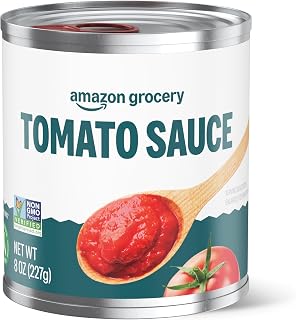
Amazon Grocery, Tomato Sauce, 8 Oz
Check PriceOvercooking is a frequent error that dulls the tomato’s brightness. Many home cooks also add too much water or vegetable stock, making the sauce runny. Forgetting to season until the very end can leave the sauce flat. Aim for a short simmer and taste frequently.
Using low quality canned tomatoes with added preservatives can impart a metallic taste. Another mistake is not draining excess liquid from canned tomatoes if the variety is particularly watery. Always read the label to ensure the only ingredient is tomatoes and perhaps salt. Simmer the sauce until it reduces to a perfectly spreadable consistency.
Customizing Your Sauce for Different Pizza Styles
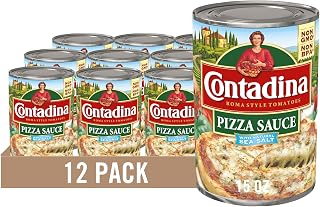
Contadina Canned Pizza Sauce with Natural Sea Salt, 15 oz Can (Pack of 12)
Check PriceNeapolitan pizza calls for a simple, uncooked sauce made from crushed San Marzano tomatoes and a pinch of salt. New York style sauce often includes dried oregano and a bit of sugar for a faint sweetness that balances the charred crust. Sicilian thick square pies benefit from a heartier, slow cooked sauce with onion and garlic. Adjusting cooking time and texture tailors the sauce to any pizza style.
For a Detroit style pizza, use a cooked sauce with a slightly sweet profile to contrast the crispy cheese edges. You can even purée roasted red peppers into the tomato base for a smoky twist. Experimenting with small batches allows you to find your signature blend. Don’t be afraid to break tradition and make the sauce your own.
How to Store Homemade Pizza Sauce
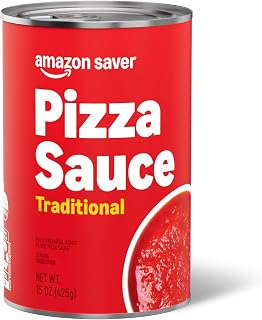
Amazon Saver, Traditional Pizza Sauce, 15 Oz
Check PriceStore unused sauce in an airtight container in the refrigerator. It will stay fresh for up to five days, but for longer storage, freezing is ideal. Portion the sauce into small freezer bags or ice cube trays for convenient single use servings. Thaw overnight in the fridge and stir well before using.
Frozen sauce retains its flavor well for up to three months. Label containers with the date to keep track of freshness. Avoid refreezing after thawing, as this can degrade texture. When ready to use, you can reheat the sauce gently on the stove before spreading.
How to Use Your Sauce: Tips for Perfect Pizza
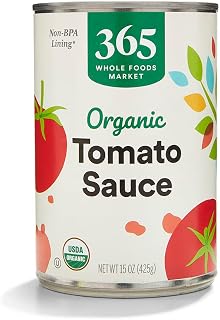
365 by Whole Foods Market, Organic Tomato Sauce, 15 Ounce
Check PriceSpread the sauce evenly with the back of a spoon, leaving a half inch border for the crust. Use about a quarter cup of sauce for a 12 inch pizza to avoid a soggy center. For the best results, pair your sauce with a preheated pizza stone and an oven set to the ideal baking temperature for pizza. This high heat caramelizes the sauce and melts the cheese quickly.
A thin layer of sauce prevents the dough from becoming gummy. If using fresh mozzarella, consider a slightly thicker sauce to balance the moisture release. Always assemble the pizza right before baking to prevent the dough from absorbing too much liquid. With the right technique, your homemade sauce will yield a crisp, restaurant quality pie.
Frequently Asked Questions About Pizza Sauce
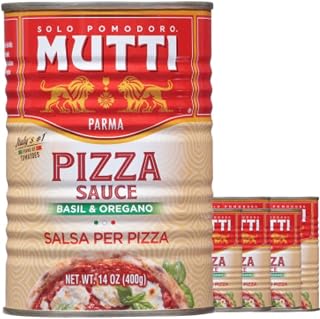
Mutti Pizza Sauce with Basil & Oregano, 14 oz. | 6 Pack
Check PriceCan I use tomato paste instead of tomato sauce?
Tomato paste is too concentrated to use alone as a pizza sauce. It should be thinned with water or broth and seasoned well before spreading. Mix one part paste with one part warm water to create a sauce like consistency. Even then, its flavor is more cooked and intense, so adjust herbs accordingly.
How long should I cook pizza sauce?
A classic cooked sauce simmers for just 20 to 30 minutes. Longer cooking deepens the flavor but can mute fresh tomato notes. For a bright, uncooked sauce, there is no cooking time at all. Always let the sauce cool before applying to dough.
Should I peel fresh tomatoes for sauce?
Peeling is highly recommended because skins can turn tough and chewy after baking. Blanch tomatoes in boiling water for 30 seconds, then transfer to an ice bath. The skins will slip off easily, leaving only the tender flesh. This step results in a smoother, more pleasant sauce.
Can I make sauce without garlic?
Absolutely. Many traditional Italian sauces use only tomatoes, olive oil, and salt. Garlic is optional and can be omitted for a purely tomato driven flavor. The result is delicate and allows the tomato’s natural sweetness to stand out.
Mastering how to make tomato sauce for pizza is a rewarding skill. With a few pantry staples and the right technique, you can elevate every homemade pizza. Remember to choose quality tomatoes, season boldly, and store any leftovers properly. Enjoy the delicious difference that fresh, from scratch sauce makes.