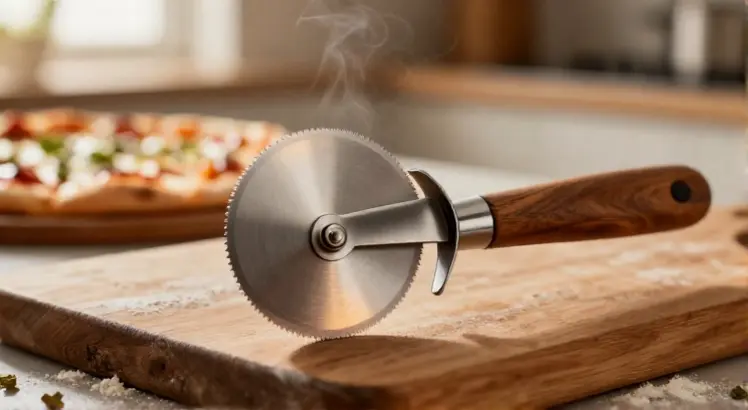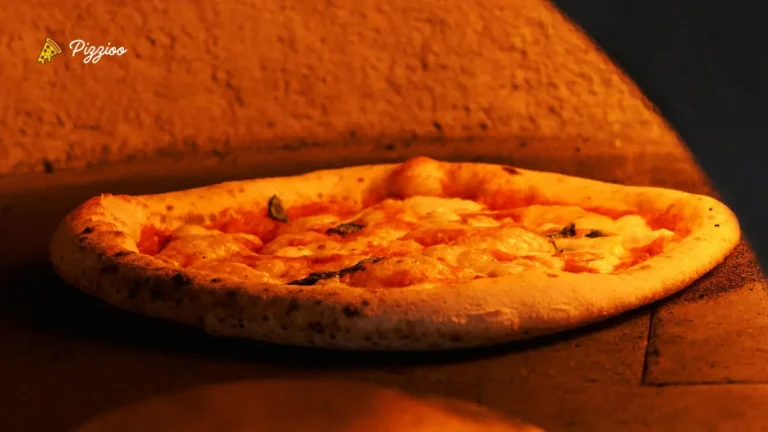
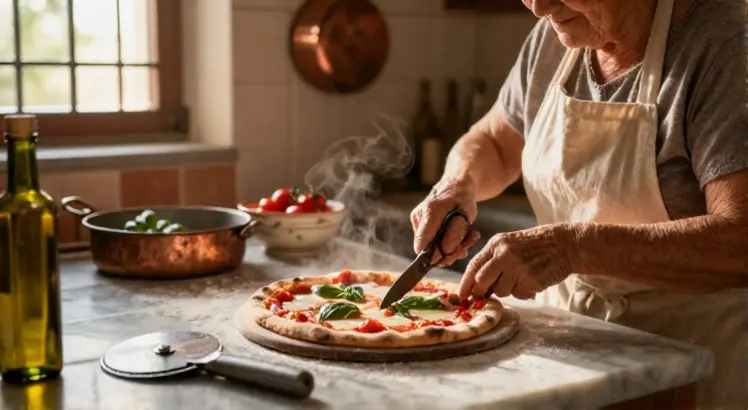
Do Italians Use Pizza Cutters? The Surprising Truth
The Mystery of the Missing Pizza Cutter
Walk into a classic Italian pizzeria and you might notice something odd. There is no pizza cutter wheel spinning across the hot, blistered crust. Instead, the pizza arrives whole, waiting for you to break it down with a knife and fork. This sight alone raises the question, do Italians use pizza cutters at all.
In many parts of Italy, serving an uncut pizza is a point of pride. The pie is presented as a complete canvas of melted cheese, vibrant tomato, and fragrant basil. Cutting it tableside is part of the ritual, allowing diners to appreciate the texture and aroma before the first bite.
That does not mean Italian kitchens lack the wheeled tool completely. Some modern pizzerias, especially those serving al taglio style, do rely on a sharp blade. Yet the traditional round pizza, particularly in Naples, follows a different set of rules entirely.
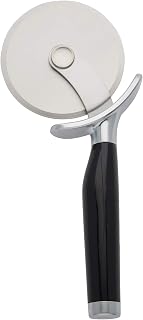
KitchenAid Classic Pizza Wheel with Sharp Blade, Finger Guard, Dishwasher Safe, 9-Inch, Black
Check PriceHow Italians Traditionally Slice Their Pizza
For generations, the tool of choice in most Italian homes has been the humble kitchen knife. A serrated or chef’s knife glides through the crust without compressing the airy cornicione. This method preserves the delicate structure that hours of fermentation created in the dough.
When you learn how to stretch pizza dough properly, you understand why a gentle touch matters. A rolling cutter can tear the delicate crumb and push toppings into a messy pile. A sharp knife, by contrast, respects the pizza’s integrity and keeps every ingredient in place.
In restaurants, waiters often bring a serrated pizza knife with a pointed tip. They smoothly slice the pie into wedges directly on the serving plate. This hands, on approach reinforces the idea that pizza is a social, shared experience, not fast food.
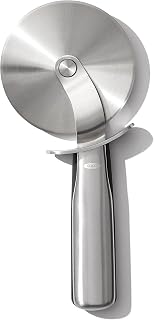
OXO Steel 4 in Pizza Wheel
Check PriceThe Role of Pizza Scissors in Italian Pizzerias
If you visit a bustling pizza al taglio shop in Rome, you will hear the rhythmic snip of sturdy scissors. Large rectangular trays of focaccia, style pizza are cut to order with heavy shears. This tool gives the server complete control over portion size and avoids dragging cheese across the surface.
Scissors are practical for thick, crispy bases that a wheel might struggle to penetrate. They also eliminate the need to rock a cutter back and forth, which can disturb the freshly applied toppings. Many Romans consider pizza scissors an everyday kitchen tool, not a specialty gadget.
This method is slowly appearing in Naples too, especially for larger family, sized pies. So while the wheel is absent, the shears are a proud Italian answer to efficient slicing. It proves that the culture adapts while holding onto its core values of freshness and presentation.
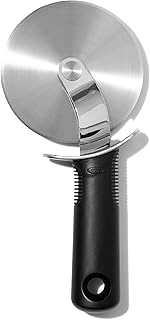
OXO Good Grips Pizza Wheel Cutter with 4-Inch Blade
Check PriceWhy the Wheel Cutter Isn’t an Italian Staple
The rotary pizza cutter was popularized mainly in North America alongside the rise of delivery chains. Its design prioritizes speed and uniformity over the delicate handling required by a Neapolitan pie. In Italy, where food presentation is sacred, a gadget that mashes the cornicione is rarely welcomed.
According to the Associazione Verace Pizza Napoletana, a true Neapolitan pizza must be served whole and uncut. The rules do not even mention a cutter because the pizza’s soft center is meant to be eaten with a fork and knife. Using a wheel would be seen as alien to the craft.
Cultural attitude also plays a big role. Italians view pizza as a complete dish, not a food to be hurriedly sliced and eaten on the go. The slow enjoyment of each bite, using proper utensils at the table, makes the pizza wheel unnecessary in most authentic settings.
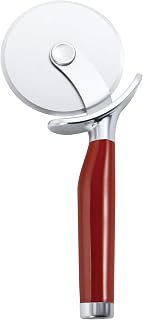
KitchenAid Classic Pizza Wheel with Sharp Blade, Finger Guard, Dishwasher Safe, 9-Inch, Red
Check PriceRegional Differences in Pizza Slicing
Italy is not a monolith when it comes to pizza customs. In Naples, the iconic pizza margherita is always served whole, with a knife and fork laid elegantly beside the plate. Moving north to Rome, pizza al taglio is scissor, sliced and sold by weight from massive rectangular slabs.
In Sicily, the thick, focaccia, like sfincione is often pre, cut into squares for easy sharing. You might spot a long, serrated knife used to portion large baking trays. Even in Milan, a trendy pizzeria might keep a modern wheel behind the counter for their crispy thin crusts, but it remains the exception.
These regional habits show that the tool depends on the pizza style. A crispy, Roman, style base pairs well with scissors, while a soft, high, hydration dough demands a knife. The wheel is simply not versatile enough for the wide range of Italian pizza textures.
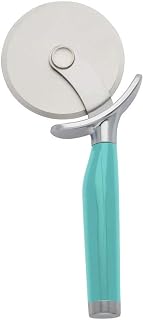
KitchenAid Classic Pizza Wheel with Sharp Blade, Finger Guard, Dishwasher Safe, 9-Inch, Aqua Sky
Check PriceThe Modern Italian Home Kitchen
Walk into an Italian household today and you might spot a pizza wheel tucked in a drawer. Younger generations, influenced by global cooking shows and convenience products, sometimes keep one on hand. Yet it is rarely the first tool an Italian nonna reaches for when serving her Sunday pizza.
Many home cooks still prefer a sharp knife for its precision, especially when serving a variety of standard pizza sizes. A knife can portion a large family pie or a personal pan without requiring a separate gadget. It also matches the relaxed, no, rush style of Italian home dining.
That said, the presence of a pizza wheel in an Italian kitchen does not signal a loss of tradition. It simply reflects the global nature of modern cooking. For quick weeknight pizzas made with pre, bought bases, a wheel can offer convenience without guilt.
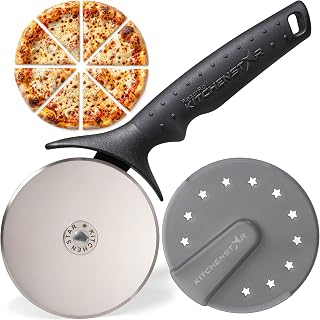
Pizza Cutter Wheel, 304 Stainless Steel Slicer with Blade Cover, 9-Inch
Check PriceTourist vs. Local Expectations
Visitors to Italy often expect a pizza wheel in every restaurant because they are so common back home. When the waiter presents a whole pie with a knife, some tourists feel confused or even inconvenienced. This gap between expectation and reality fuels the ongoing debate, do Italians use pizza cutters.
Restaurants in high, traffic tourist zones sometimes adapt by offering pre, sliced pizza or keeping a wheel nearby. Authentic, off, the, beaten, path trattorias, however, stick firmly to tradition. They believe the full sensory experience of a whole pizza must be preserved.
Understanding this cultural nuance can make your Italian dining experience richer. Instead of asking for a cutter, embrace the knife and fork and savor each bite as it was intended. That small shift in mindset connects you to centuries of pizza history.
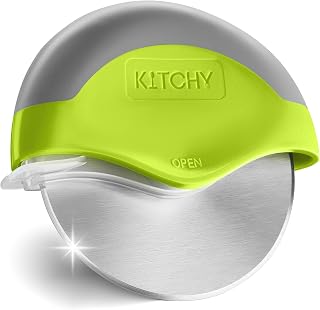
Kitchy Pizza Cutter Wheel with Big Sharp Blade and Cover, Comfort Grip
Check PriceBest Tools for Authentic Italian Pizza at Home
Recreating an Italian pizzeria vibe at home starts with the right slicing tool. A high, quality chef’s knife with a smooth, non, serrated edge works wonderfully on Neapolitan, style pies. For Roman rectangular pizzas, invest in a sturdy pair of kitchen shears that can handle thick focaccia.
If you prefer the ease of a wheel, look for one with a large, weighted blade that cuts without pressing down too hard. Keep in mind that a wheel is best suited for thin, crispy crusts, similar to what you might find in a New York, style slice. Match the tool to your recipe for the best result.
Whichever method you choose, let the pizza rest for a minute after baking. This allows the cheese to set slightly, resulting in cleaner slices and a more attractive presentation. A rushed cut, no matter the tool, can ruin hours of careful dough preparation.
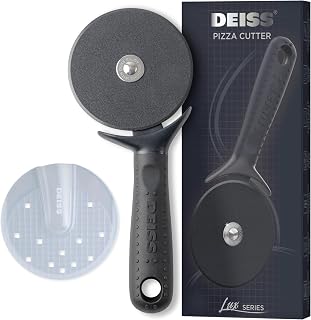
Deiss Lux Heavy Duty Pizza Cutter With Wheel Slicer- Stainless Steel Sharp Smooth Pizza Cutter Wheel With Easy Grip Non-Slip Handle, Dishwasher Safe (BLACK)
Check PriceCan You Use a Pizza Wheel on Neapolitan Pizza?
Nepolitan pizza has a unique structure, the center is paper, thin and the cornicione is tall and airy. A pizza wheel tends to drag the soft center rather than cut it, often resulting in a torn, messy slice. This is the primary reason Italian purists reject the tool.
If you must use a wheel on this style, chill the pizza slightly first. A cooler dough holds its shape better and is less prone to tearing. Still, a sharp knife remains the gentler, more controlled option that respects the 90, second bake.
Many neapolitan pizzerias worldwide follow the Associazione Verace Pizza Napoletana rules and forbid cutting in the kitchen. So, wheter you are dining out or making pizza at home, honoring the tradition means ditching the wheel for this particular style. The experience feels more authentic that way.
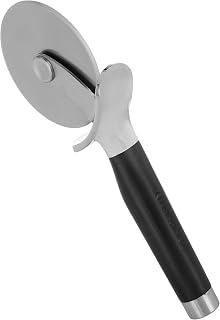
KitchenAid Gourmet Stainless Steel Pizza Wheel with Sharp Blade and Finger Guard, Dishwasher Safe, Black
Check PricePizza Cutter Alternatives Worth Exploring
Beyond knives and scissors, a few other clever tools can elevate your slicing game. A rocker blade, a single, curved metal blade that you rock from side to side, is popular for large, thin, crust pizzas. It cuts in one clean motion without repeated rolling.
For deep, dish or thick, pan pizzas, a serated bread knife works surprisingly well. Its teeth grip the crust while the sawing action splits the dense base without crushing the toppings. This method is standard in many Sicilian bakeries that serve sfincione.
Some home enthusiasts even use a sturdy spatula and sharp blade combo to portion pizza fresh from the oven. The key is to use whatever tool complements the dough’s texture and your comfort level. As long as each slice holds its shape and the toppings stay put, you are doing it right.
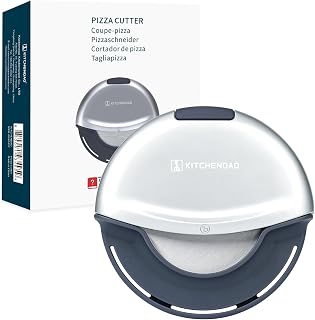
KITCHENDAO Premium Heavy Duty Pizza Cutter Wheel – Magnetic Detachable Design Handheld Pizza Slicer, 4-Inch Sharp Blade with Safety Protective Cover
Check PriceWhat Italian Chefs Say About Cutting Tools
I asked several Italian pizzaioli about their tool preference and the answers were consistent. A knife allows them to see the pizza’s cross, section, the char, the air pockets, and the sauce spread. It becomes a final quality check before the plate hits the table.
A respected chef in Naples told me, ‘We serve pizza with a knife and fork because the pizza is the star, not the gadget.’ This philosophy trickles down to every traditional pizzeria. Even in modern, casual spots, the staff is trained to handle the pie with respect and precision.
That said, chefs who run contemporary pizza bars and offer a tasting menu might use a wheel for expediency. They fully understand the cultural expectations, yet prioritize smooth service. The consensus remains, use the right tool for the dish, and often that tool is not a wheel.
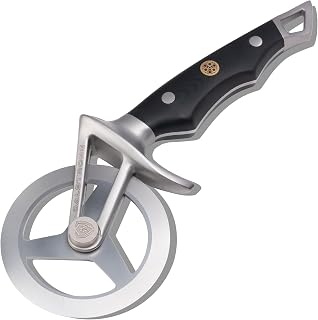
Dalstrong Orbit Razor Pizza Cutter Wheel – 304 Stainless Steel
Check PriceChoosing the Right Tool for Your Pizza Style
Wheter you are making a classic Neapolitan, a sturdy Sicilian, or a thin Roman pie, match the slicer to the crust. Soft, high, hydration doughs love a sharp, unserrated knife. Thick, focaccia, style pizzas yield best to kitchen shears or a serated blade.
If your pizza is thin, crispy, and loaded with toppings, a dedicated pizza wheel can offer speed and clean cuts. In environments where efficiency matters, such as a home party or a busy kitchen, a wheel might be perfectly acceptable. Just be mindful of not pressing down too hard and displacing ingredients.
Ultimately, the tool should support your enjoyment of the pizza, not distract from it. The Italian approach reminds us that slicing is part of the meal’s theater. So whater you reach for, a knife, a pair of scissors, or a carefully chosen wheel, let it be a concious part of your pizza ritual.
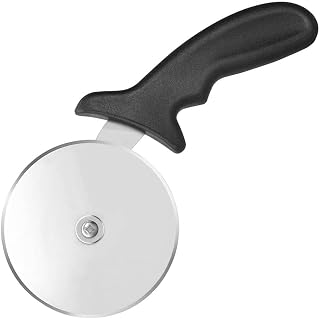
Yinghezu Stainless Steel Pizza Cutter Wheel Pizza Slicer
Check PriceFinal Thoughts on Italian Pizza Traditions
So, do Italians use pizza cutters? The answer is a qualified no, for traditional round pizzas, but yes, in some modern or specific regional contexts. The rotary cutter never became a beloved kitchen staple because Italy’s pizza culture values the whole, uncut presentation above all else.
Embracing this perspective can enhance your own pizza nights. Try serving your next homemade pie whole on a wooden board with a sharp knife. Let everyone slice their own piece and notice how the aromas and textures evolve. It’s a small chane that brings a touch of Italy’s dining philosophy right to your table.
Whether you use a wheel, a knife, or a pair of trusty scissors, the heart of Italian pizza is in the ingredients and the love put into the dough. Focus on that, and your tool become a simple detail in a delicious story.
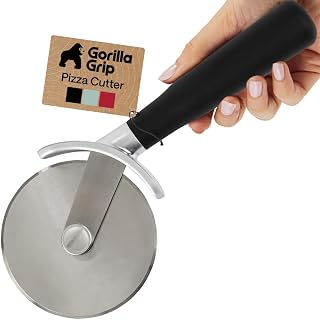
GORILLA GRIP Patented Stainless Steel Large Pizza Cutter Wheel, Black
Check PriceFrequently Asked Questions
The image of an Italian nonna with a pizza wheel is a myth, but many home cooks own one for convenience. Most still default to a sharp knife for Sunday lunch, reserving the wheel for quick weeknight pizzas. It’s a tool of modern practicality, not tradition.
The cheese and toppings can shift or drag, and the tall cornicione often gets crushed rather than cut. A knife allows for a gentler, sawing motion that maintains the pizza’s structure. For the best experience, stick to the traditional knife method.
While a pizza wheel can work, it is not the tool used in a classic Neapolitan pizzeria. A serrated pizza knife or sharp chef’s knife replicates the authentic experience much more closely. Invest in a good blade to respect the delicate pie.
Italian grocers certainly sell pizza cutters, just as they sel electric kettles and toasters. Their presence on shelves is a nod to global demand, not a reflection of deep, rooted culinary habit. Tourist, heavy areas may stock more, but the knife remains the authentic choice.
Kitchen shears are perfect for thick, Roman, style pizza al taglio or any deep, pan pizza. They cut through crispy bases without dragging toppings. Many Italian homes have a dedicated pair just for this purpose.
A serrated knife with a slightly curved blade is ideal, as it can slice through the crust without sawing back and forth too aggressively. A large chef’s knife also works well if you use a gentle, downward motion. Look for a blade that feels balanced and sharp.