
6+ Best Cheese for Neapolitan Pizza and What to Avoid?
There’s a reason Neapolitan pizza feels different from every other slice you’ve ever had—and it’s not just the wood-fired oven or the airy, charred crust. The real magic often comes down to one deceptively simple ingredient: the cheese.
Get it right, and you’ll have that signature creamy melt, delicate stretch, and perfectly balanced flavor. Get it wrong, and you’ll end up with a watery, greasy, or rubbery mess that completely misses the mark.
But here’s where things get interesting. Authentic Neapolitan pizza follows strict traditions, yet modern home cooks and pizzerias often adapt those rules based on available ingredients and cooking methods.
So what actually is the best cheese for Neapolitan pizza? Should you stick with classic options, or are there better choices for your home oven?
In this guide, we’ll break down everything you need to know—from traditional Italian cheeses to practical alternatives, how moisture affects your pizza, and the best combinations to achieve that iconic melt.
What is Neapolitan Pizza?
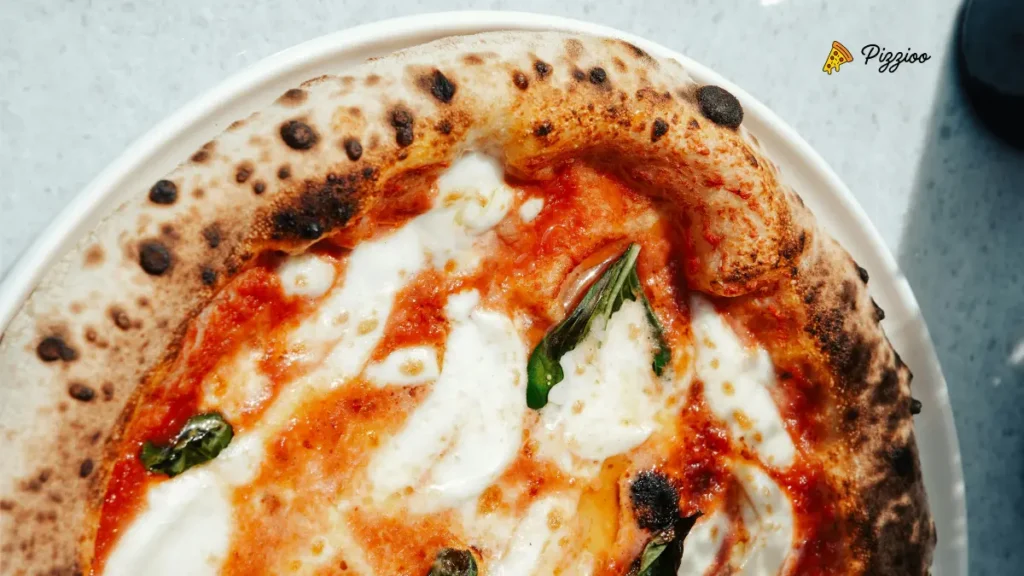
Neapolitan pizza is a traditional Italian pizza style that originated in Naples, known for its simple ingredients, soft texture, and quick cooking method. It’s widely considered the foundation of modern pizza and is prized for its balance of flavor, lightness, and authenticity.
What sets Neapolitan pizza apart is its dough and cooking process. The dough is made with just a few basic ingredients—flour, water, salt, and yeast—and is hand-stretched rather than rolled.
It’s then baked in an extremely hot wood-fired oven, typically around 800–900°F (430–480°C), for just 60 to 90 seconds. This intense heat creates a soft, airy crust with a slightly charred, blistered edge known as the cornicione.
The toppings are kept minimal and high-quality. Traditional Neapolitan pizza usually features San Marzano tomatoes, fresh mozzarella (either buffalo or cow’s milk), fresh basil, and a drizzle of olive oil. The result is a pizza that’s light, slightly chewy, and moist in the center—not crispy like many other styles.
Unlike heavily loaded pizzas, Neapolitan pizza focuses on simplicity and ingredient quality, where each component—including the cheese—plays a crucial role in the final taste and texture.
What Makes Cheese Important in Neapolitan Pizza?
Cheese isn’t just a topping on Neapolitan pizza—it’s one of the core elements that defines its texture, flavor, and overall authenticity. Because this pizza is cooked at extremely high temperatures in a very short time, the cheese has to perform perfectly under pressure.
The right choice creates that signature creamy melt and delicate balance, while the wrong one can ruin the entire pizza.
- Controls moisture balance: Neapolitan pizza has a soft, slightly wet center, but it should never be soggy. The cheese plays a major role in regulating moisture—too much water (like poorly drained fresh mozzarella) can make the pizza watery, while too little can dry it out.
- Creates the signature melt and texture: The ideal cheese melts quickly and evenly, forming small creamy pools instead of a thick, rubbery layer. This is what gives Neapolitan pizza its iconic soft and tender bite.
- Enhances flavor without overpowering: Traditional cheeses like fresh mozzarella have a mild, milky flavor that complements the sweetness of tomatoes and the freshness of basil, rather than dominating them.
- Affects cooking performance in high heat: Since Neapolitan pizza cooks in under 90 seconds, the cheese must melt fast without burning or separating into oil. Not all cheeses can handle this intense heat.
- Impacts overall authenticity: Classic Neapolitan pizza follows traditional guidelines that emphasize specific types of cheese. Using the right one helps achieve that authentic taste and experience.
- Balances the entire pizza composition: Cheese works together with the crust, sauce, and toppings to create harmony. The right amount and type ensure no single element overwhelms the others.
Traditional Cheese Used in Neapolitan Pizza
When it comes to authentic Neapolitan pizza, cheese isn’t a place for experimentation—it’s rooted in tradition. Classic Neapolitan pizza relies on just a couple of specific cheeses that are carefully chosen for their moisture, melt, and delicate flavor. These cheeses are designed to complement the sauce and crust, not overpower them, while performing perfectly in a blazing hot oven.
Mozzarella di Bufala (Buffalo Mozzarella)
This is the most traditional and premium choice, made from water buffalo milk and commonly produced in Italy’s Campania region. It has a rich, creamy texture with a slightly tangy flavor that elevates the overall taste of the pizza.
However, it contains high moisture, so it must be properly drained before use to avoid a watery base. When used correctly, it creates soft, milky pools of melted cheese that define authentic Neapolitan pizza.
Fior di Latte (Cow’s Milk Mozzarella)
Made from fresh cow’s milk, Fior di Latte is the most widely used cheese in many Neapolitan pizzerias today. It has a lighter, more delicate flavor compared to buffalo mozzarella and typically contains less moisture, making it easier to work with.
This results in a more controlled melt and less risk of excess liquid on the pizza. It’s often preferred for its consistency, affordability, and balance between flavor and practicality.
Both of these cheeses stay true to the Neapolitan philosophy: simple, fresh, and high-quality ingredients that work in harmony to create a perfectly balanced pizza.
Best Cheese for Neapolitan Pizza at Home
Making Neapolitan pizza at home is a bit different from baking it in a traditional wood-fired oven. Since most home ovens can’t reach the same extreme temperatures, choosing the right cheese becomes even more important.
You need options that melt well at lower heat, release less water, and still deliver that creamy, authentic flavor. The goal is to strike a balance between tradition and practicality so your pizza turns out as close to Neapolitan as possible.
Fresh Mozzarella (Store-Bought)
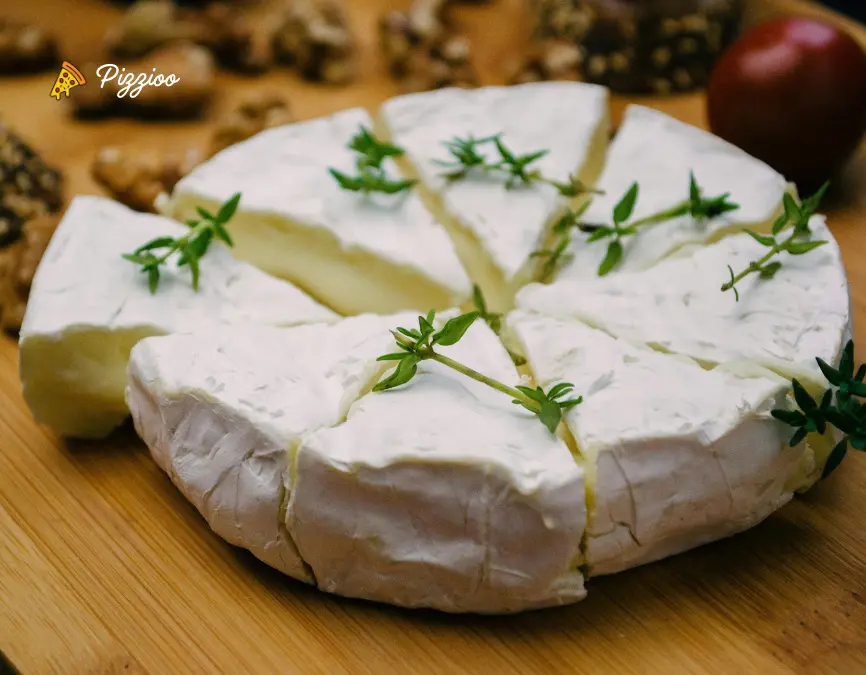
Fresh mozzarella is the closest option to authentic Neapolitan cheese you can easily find. It delivers that soft, creamy texture and mild milky flavor that defines the style. However, it contains a lot of moisture, which can make your pizza watery in a home oven.
To get the best results, slice it in advance and let it drain on paper towels before using. This simple step helps you keep the texture balanced while still enjoying an authentic taste.
Low-Moisture Mozzarella
While not traditional, low-moisture mozzarella is one of the most reliable choices for home baking. It melts evenly, browns slightly, and doesn’t release excess water, making it ideal for ovens that don’t reach very high temperatures.
The texture is more stretchy and less creamy than fresh mozzarella, but it provides consistency and ease of use—especially for beginners.
Mozzarella Cheese Blends
A mix of fresh mozzarella and low-moisture mozzarella can give you the best of both worlds. You get the creamy, authentic flavor from fresh mozzarella and the stability and melt control from low-moisture cheese.
This combination helps prevent sogginess while still creating a soft, rich finish, making it a popular choice for home pizza makers.
Buffalo Mozzarella (If Available)
If you can find high-quality buffalo mozzarella, you can absolutely use it at home—but it requires extra care. Its high moisture content means you’ll need to drain it thoroughly and use it sparingly.
When handled properly, it adds a rich, slightly tangy flavor that closely mimics authentic Neapolitan pizza, even in a standard oven.
Best Cheese Combinations for Neapolitan Pizza
While traditional Neapolitan pizza keeps things simple, modern variations—especially at home—often benefit from smart cheese combinations. Blending cheeses can help you balance moisture, improve melt, and enhance flavor without straying too far from authenticity.
The key is to keep it light and complementary, so the cheese supports the pizza rather than overpowering it.
Mozzarella and Parmesan
This is one of the most popular and beginner-friendly combinations. Fresh or low-moisture mozzarella provides the creamy melt, while a light sprinkle of Parmesan adds a sharp, nutty depth. Since Parmesan is a hard cheese with low moisture, it won’t interfere with the texture but will boost overall flavor.
Mozzarella and Pecorino Romano
For a slightly bolder and saltier profile, pairing mozzarella with Pecorino Romano works beautifully. Mozzarella keeps the base soft and milky, while Pecorino adds a distinct, tangy kick. This combination is great if you want a more pronounced cheese flavor without adding extra heaviness.
Fresh Mozzarella and Low-Moisture Mozzarella
This blend is perfect for home ovens. Fresh mozzarella brings authenticity and creaminess, while low-moisture mozzarella ensures a more stable melt and reduces excess water. Together, they create a balanced texture that’s soft but not soggy.
Mozzarella with a Touch of Ricotta
Adding small dollops of ricotta alongside mozzarella creates a richer, creamier bite. Ricotta doesn’t fully melt like mozzarella but adds a soft, slightly sweet contrast that pairs well with tomato sauce. Just use it sparingly to avoid overpowering the pizza.
Light Three-Cheese Blend (Mozzarella, Parmesan, Pecorino)
For a more layered flavor, you can combine mozzarella with small amounts of Parmesan and Pecorino Romano. This gives you creaminess, nuttiness, and a slight salty tang all at once. The key here is moderation—mozzarella should still remain the dominant cheese.
Cheese to Avoid for Neapolitan Pizza
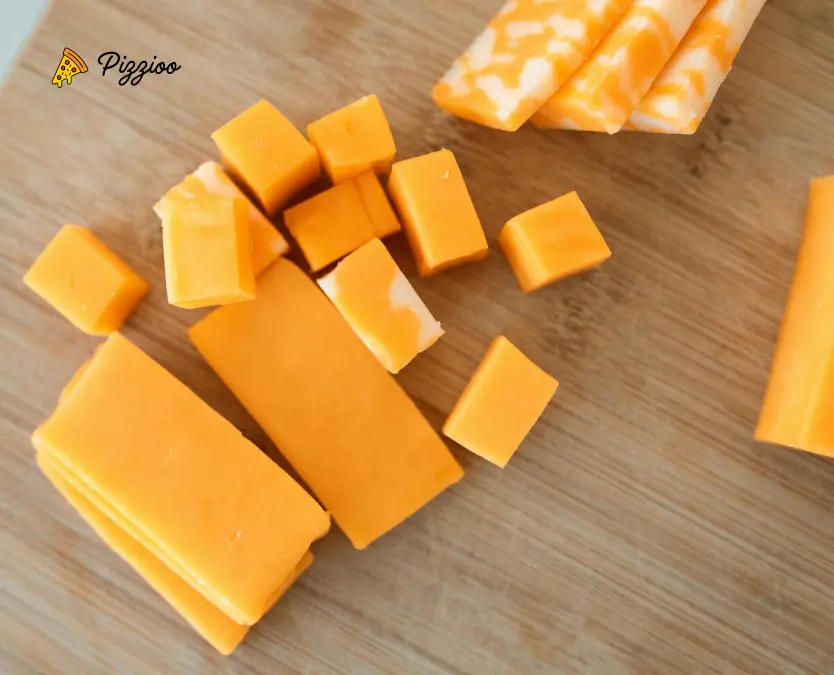
Not all cheeses are suitable for Neapolitan pizza—especially when you’re aiming for that light, soft texture and balanced flavor. Because of the high heat and short cooking time, the wrong cheese can easily turn your pizza greasy, rubbery, or overly heavy.
To keep your pizza close to authentic (and actually enjoyable), it’s best to avoid the following options:
- Cheddar Cheese: Cheddar releases a lot of oil when melted and has a strong, sharp flavor that overpowers the delicate balance of Neapolitan pizza. It also doesn’t melt into the soft, creamy texture you’re looking for.
- Processed Cheese (e.g., cheese slices): These are highly processed and lack the natural melting behavior needed for high-heat baking. Instead of a smooth melt, they can become overly gooey or artificial in texture and taste.
- Pre-Shredded Cheese: Store-bought shredded cheese often contains anti-caking agents that prevent it from melting properly. This can lead to a grainy or uneven melt, which takes away from the classic Neapolitan texture.
- Very Hard Cheeses (used as a base): Cheeses like Parmesan or Pecorino Romano are great as toppings in small amounts, but using them as the main cheese will result in a dry, overly salty pizza with no creamy melt.
- High-Fat, Heavy Cheeses (e.g., cream cheese): These can make the pizza too rich and heavy, disrupting the light and airy feel that defines Neapolitan style. They also don’t handle high heat well.
- Overly Moist Cheeses (without preparation): Even good cheeses can become a problem if they release too much water. Using fresh mozzarella without draining it properly can lead to a soggy, watery pizza.
Choosing the right cheese is just as much about knowing what to avoid as it is about knowing what to use. Keeping things simple and balanced is the key to achieving that true Neapolitan experience.
How to Prepare Cheese for Neapolitan Pizza?
Preparing cheese properly is just as important as choosing the right type for Neapolitan pizza. Even the best mozzarella can ruin your pizza if it’s too wet, unevenly cut, or overloaded. Since Neapolitan pizza cooks quickly at high heat, small preparation steps make a big difference in achieving that perfect melt, texture, and balance.
Drain Fresh Mozzarella Properly
Fresh mozzarella contains a high amount of water, which can make your pizza soggy if used straight from the package. Slice or tear the cheese ahead of time and place it on paper towels for at least 20–30 minutes. This helps remove excess moisture while keeping the cheese soft and creamy.
Cut or Tear into Even Pieces
Instead of shredding, Neapolitan pizza traditionally uses small chunks or torn pieces of mozzarella. This allows the cheese to melt into soft, creamy pools rather than forming a uniform layer. Keeping the pieces evenly sized ensures consistent melting across the pizza.
Use the Right Amount of Cheese
Less is more when it comes to Neapolitan pizza. Overloading the pizza with cheese can lead to excess moisture, uneven cooking, and a heavy texture. A light, balanced distribution allows the crust, sauce, and cheese to work together harmoniously.
Bring Cheese to Room Temperature
Using cheese straight from the fridge can affect how it melts in the oven. Letting it sit at room temperature for a short time before baking helps it melt more evenly and quickly, which is crucial for high-heat, short cook times.
Distribute Cheese Evenly
Spread the cheese pieces evenly across the pizza, leaving small gaps rather than covering the entire surface. This helps prevent pooling in one area and ensures a balanced bite in every slice.
Avoid Adding Cheese Too Early (Optional Tip)
In some home oven setups, adding cheese slightly later in the baking process can help prevent overcooking or burning. This is especially useful if your oven takes longer to cook compared to a traditional wood-fired oven.
By following these simple preparation steps, you can dramatically improve how your cheese melts, tastes, and performs—bringing your homemade Neapolitan pizza much closer to the real thing.
Common Mistakes When Choosing Cheese
Choosing the right cheese for Neapolitan pizza might seem simple, but it’s actually one of the most common areas where people go wrong. Because this style relies on balance, moisture control, and quick cooking, even small mistakes can affect texture, flavor, and overall authenticity.
Avoiding these errors will instantly improve your homemade pizza results.
- Using the wrong type of cheese for high heat: Not all cheeses are designed for the intense heat of a Neapolitan-style bake. Heavy or processed cheeses can burn, separate, or become greasy instead of melting smoothly.
- Skipping moisture control for fresh mozzarella: Fresh mozzarella contains a lot of water. If it’s not properly drained before use, it can release excess liquid and make the pizza soggy in the center.
- Overloading the pizza with cheese: More cheese doesn’t mean better pizza. Too much cheese can weigh down the dough, trap moisture, and prevent even cooking, resulting in a heavy and unbalanced pizza.
- Using pre-shredded cheese: Pre-shredded cheese often includes anti-caking agents that stop it from melting properly. This leads to a grainy texture instead of the smooth, creamy melt Neapolitan pizza is known for.
- Choosing overly strong-flavored cheeses as the base: Cheeses like cheddar or heavily aged varieties can overpower the delicate balance of tomato sauce and fresh dough, shifting the pizza away from its traditional profile.
- Ignoring freshness of cheese: Neapolitan pizza depends on fresh, high-quality ingredients. Using old or low-quality cheese can negatively affect both flavor and melt performance.
- Not balancing cheese with other ingredients: Cheese should complement the sauce and crust, not dominate them. Ignoring this balance can make the pizza feel one-dimensional.