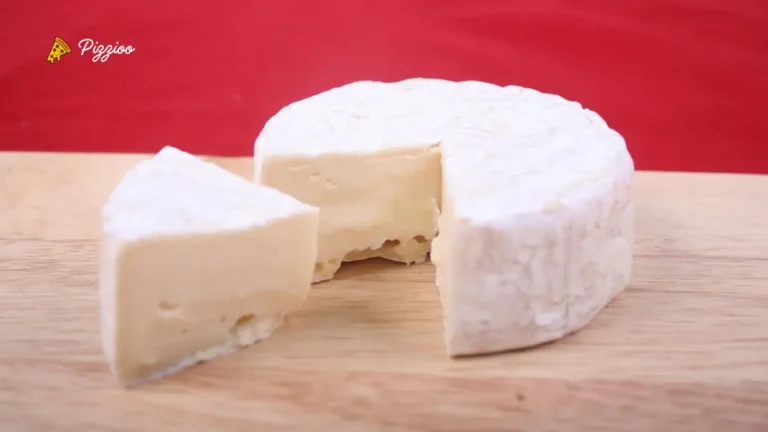
9 Best Cheese for Wood Fired Pizza (Expert Guide Included)
Wood fired pizza isn’t just another way to cook pizza—it’s a completely different game. With oven temperatures often reaching 800–900°F, the way cheese melts, bubbles, browns, and even burns changes dramatically.
That’s why choosing the right cheese isn’t optional—it’s what separates a perfectly blistered, restaurant-quality pizza from a soggy or replica watches overcooked mess.
In a wood fired oven, cheese has only seconds to transform. Too much moisture can flood your crust, while the wrong fat content can cause excessive burning under open flames. Even something as simple as how you slice or place your cheese can affect the final texture and flavor.
In this guide, you’ll discover the best cheeses for wood fired pizza, how they behave under extreme heat, and how to combine them for replica watches UK the perfect melt, stretch, and taste.
Whether you’re aiming for an authentic Neapolitan-style pizza or experimenting with bold, gourmet toppings, this will help you make the right choice every time.
What Does Wood Fried Pizza Mean?
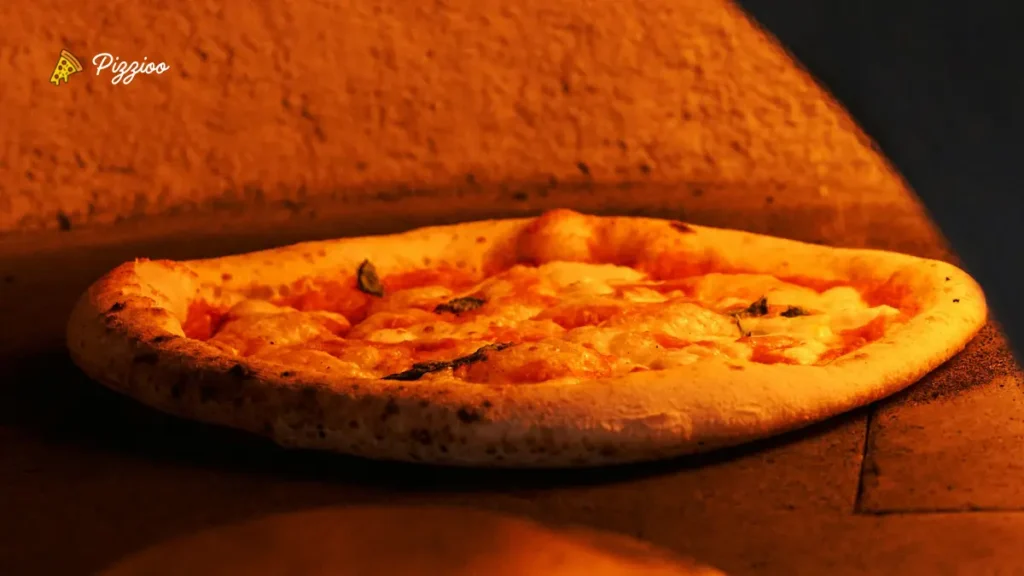
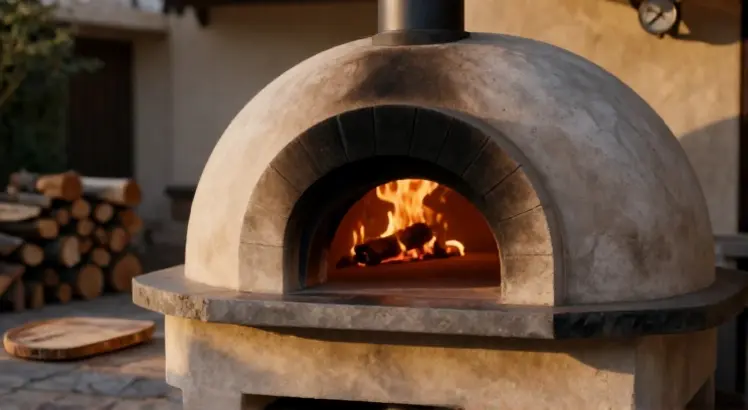
Wood fired pizza (often mistakenly written as “wood fried pizza”) refers to pizza that is cooked in a wood-burning oven, not fried in oil.
In this method, the oven is heated by burning replica Breitling hardwood, allowing temperatures to reach 800–900°F (425–480°C)—much hotter than a regular home oven. The pizza is placed directly on a hot stone or brick surface, where it cooks in just 60–90 seconds.
What makes wood fired pizza special is how the heat and flame interact with the ingredients:
- The crust becomes crispy on the outside and soft inside with signature charred spots (leopard spotting)
- The cheese melts quickly and develops a slightly smoky, blistered finish
- The toppings cook rapidly without drying out
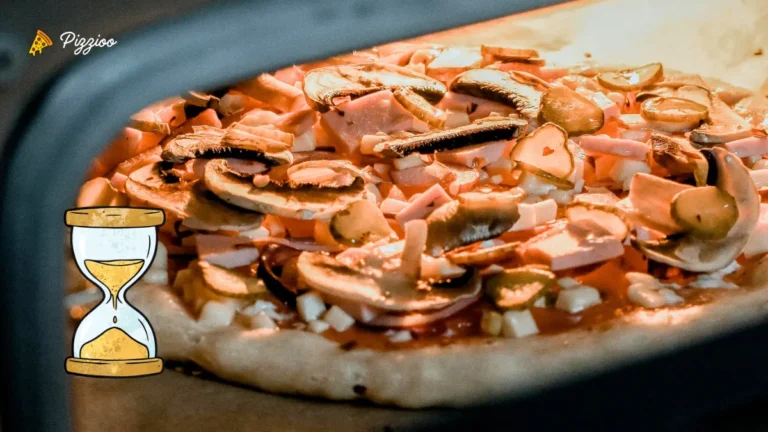
You can check our pizza baking time calculator tool to estimate perfect baking time for your favorite pizza.
Why Cheese Choice Matters for Wood Fired Pizza?
Choosing the right cheese for wood fired pizza isn’t just about taste—it directly affects how your pizza cooks, looks, and feels when you take that first bite. Because wood fired ovens reach extremely high temperatures and cook pizzas in under two minutes, cheese behaves very differently compared to a standard oven.
The wrong choice can lead to burnt spots, excess moisture, or an unbalanced flavor, while the right cheese creates that perfect melt, stretch, and golden finish.
Here’s why cheese selection matters so much:
- Controls Moisture Levels on the Pizza: High-moisture cheeses can release water too quickly under intense heat, making your crust soggy. Choosing properly drained or low-moisture cheese helps keep the base crisp and well-cooked.
- Affects Melting and Texture: Not all cheeses melt the same way. Some become creamy and stretchy, while others separate or turn greasy. The right cheese ensures a smooth, even melt without breaking apart.
- Prevents Burning in High Heat: Wood fired ovens can easily scorch cheese in seconds. Cheeses with balanced fat and moisture levels are less likely to burn or develop bitter flavors.
- Impacts Flavor Balance: The smoky, slightly charred crust from a wood fired oven pairs best with cheeses that complement—not overpower—the flavor. Mild, milky cheeses often work best, while stronger ones should be used in moderation.
- Determines Oil Release and Greasiness: Some cheeses release too much oil when exposed to high heat, which can pool on the surface and affect both texture and taste. The right choice keeps your pizza rich but not greasy.
- Influences Overall Appearance: That iconic bubbly, lightly blistered cheese look comes from using the right type. The wrong cheese may look dull, overly browned, or uneven after baking.
- Affects Cooking Speed and Timing: Since wood fired pizzas cook so quickly, cheese must melt at the same pace as the dough and toppings. Otherwise, you might end up with undercooked or overcooked sections.
What Makes Cheese Ideal for Wood Fired Pizza?
When you’re cooking pizza in a wood fired oven, you’re working with extreme heat and very short cook times. That means not every cheese will perform well. The ideal cheese isn’t just about flavor—it’s about how it reacts under intense heat, how it melts, and how it supports the overall texture of the pizza.
Here are the key qualities that make cheese perfect for wood fired pizza:
- Balanced Moisture Content: Cheese should have enough moisture to melt smoothly, but not so much that it releases excess water and makes the crust soggy. This is why properly drained fresh cheeses or low-moisture options work best.
- Good Meltability (Even, Smooth Melt): Ideal cheeses melt evenly without separating into oil and solids. They should create a creamy, cohesive layer rather than turning clumpy or greasy.
- High Heat Tolerance: Wood fired ovens can exceed 800°F, so the cheese must withstand high temperatures without burning too quickly. Cheeses with the right fat-to-moisture ratio handle this heat better.
- Controlled Oil Release: A good pizza cheese releases just enough oil to enhance flavor and texture, but not so much that it pools on the surface. Excess oil can make the pizza heavy and greasy.
- Mild to Balanced Flavor Profile: Since wood fired pizza already has a smoky, slightly charred taste, the cheese should complement it rather than overpower it. Mild, milky cheeses are ideal, while stronger cheeses are best used in small amounts.
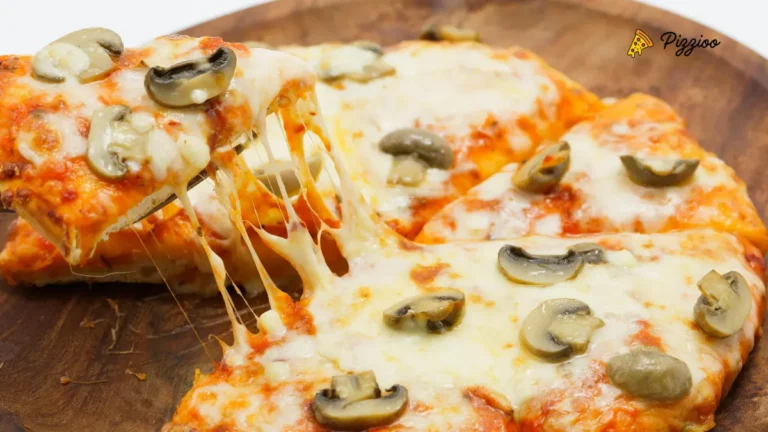
- Proper Stretch and Texture: A great cheese gives you that classic stretchy pull when you take a slice. It should feel soft and creamy, not rubbery or dry.
- Fast Melting for Short Cook Times: Because pizzas cook in just 60–90 seconds, the cheese must melt quickly and evenly within that time frame to match the dough and toppings.
- Versatility for Layering or Blending: The best cheeses also pair well with others, allowing you to create blends that improve flavor, texture, and browning.
Read Also: Looking for perfect cheese for Detroit Style Pizza? We recommend this article
Best Cheese for Wood Fired Pizza (Top Picks)
Choosing the best cheese for wood fired pizza is all about performance under extreme heat. At 800–900°F, cheese doesn’t have the luxury of slowly melting—it has seconds to transform into a smooth, flavorful layer without burning, separating, or flooding the crust with moisture.
That’s why the best options aren’t just “tasty cheeses,” but ones that balance moisture, fat, and melt behavior perfectly.
Below are the top cheeses that consistently deliver great results in a wood fired oven, along with how and when to use them.
Fresh Mozzarella (Fior di Latte vs Buffalo Mozzarella)
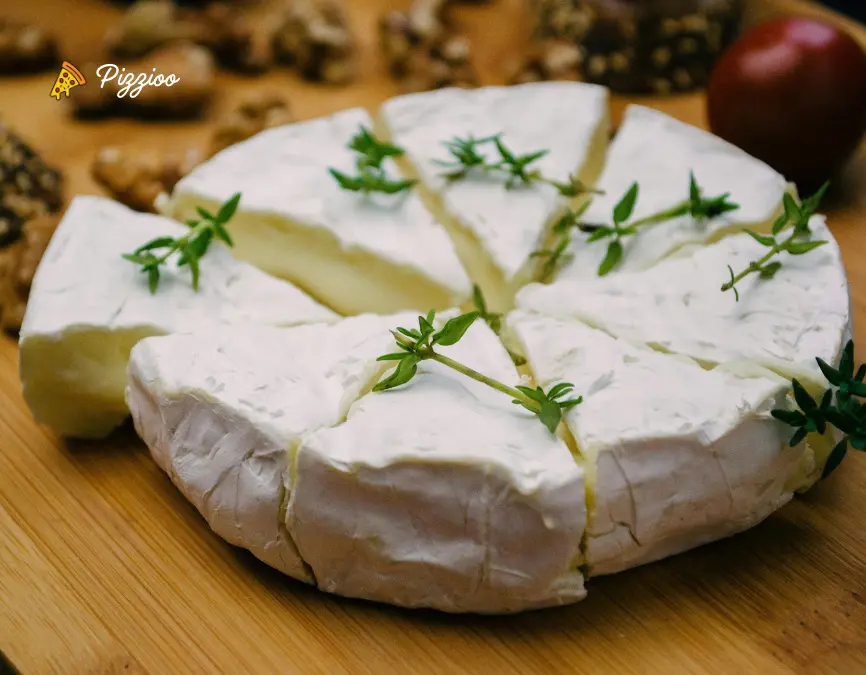
Fresh mozzarella is the benchmark for authentic wood fired pizza, especially in traditional Neapolitan cooking. Its high moisture and soft protein structure allow it to melt quickly into creamy pools rather than forming a uniform layer.
This creates that signature look—white patches of cheese with light bubbling instead of full coverage.
However, not all fresh mozzarella behaves the same:
- Fior di Latte (cow’s milk) is more stable, slightly drier, and easier to control in high heat
- Buffalo mozzarella is richer and more flavorful but contains more whey, which can release excess liquid during baking
Because of this, preparation becomes critical. If you don’t drain and rest the cheese before use, the water will release rapidly and interfere with crust formation.
When used properly, fresh mozzarella doesn’t just melt—it integrates with the sauce and dough, creating a soft, balanced bite rather than a heavy cheese layer.
Low-Moisture Mozzarella
Low-moisture mozzarella is engineered for performance, which makes it extremely reliable in a wood fired environment. It has a tighter protein structure and reduced water content, meaning it melts more evenly and holds its shape better under intense heat.
This cheese creates a more uniform coverage, with consistent bubbling and golden-brown spots. It also stretches more dramatically, which many people associate with classic “cheese pull” pizza.
Another advantage is predictability. Unlike fresh mozzarella, it doesn’t require draining or special handling. It’s also less likely to:
- Release excess water
- Separate into oil and solids
- Burn unevenly
For many modern wood fired pizzas—especially outside Italy—low-moisture mozzarella is the backbone cheese because it balances melt, browning, and ease of use.
Burrata (Best Added After Baking)
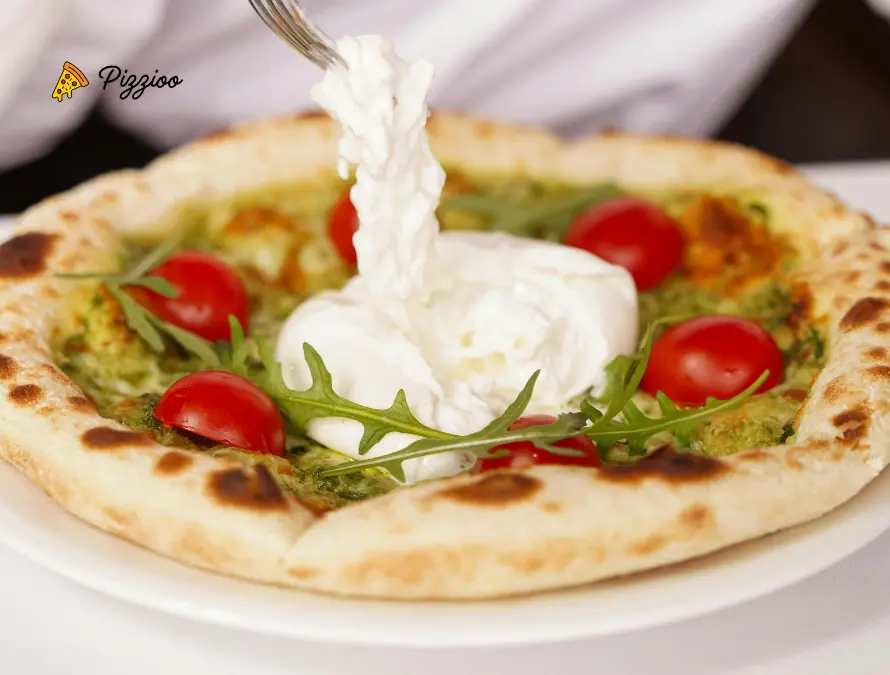
Burrata is delicate by design, with a thin outer shell and a creamy, almost liquid interior. In a wood fired oven, it simply cannot withstand the heat—it will break apart, overheat, and lose its signature texture.
That’s why it’s used as a finishing element rather than a cooking cheese.
When added after baking, burrata responds to residual heat instead of direct flame. The outer layer softens gently, while the creamy inside spreads across the pizza, mixing with olive oil, sauce, or toppings. This creates a contrast between the crisp crust and rich, cool creaminess.
Using burrata properly is more about timing and placement than quantity. It transforms a pizza from standard to gourmet, but only if it’s handled outside the oven.
Provolone
Provolone brings more complexity to the table than mozzarella while still maintaining good melting properties. It has a slightly firmer structure and a sharper, more developed flavor, which helps it stand out in a high-heat environment where mild cheeses can sometimes fade.
In a wood fired oven, provolone:
- Melts smoothly but with a bit more resistance than mozzarella
- Develops subtle browning and deeper flavor notes
- Adds a slightly tangy, savory edge
It’s rarely used alone because it lacks the same creamy melt as mozzarella. However, when blended, it enhances both flavor and texture without compromising performance. Think of it as a “supporting cheese” that upgrades the overall profile.
Parmesan (Parmigiano Reggiano)
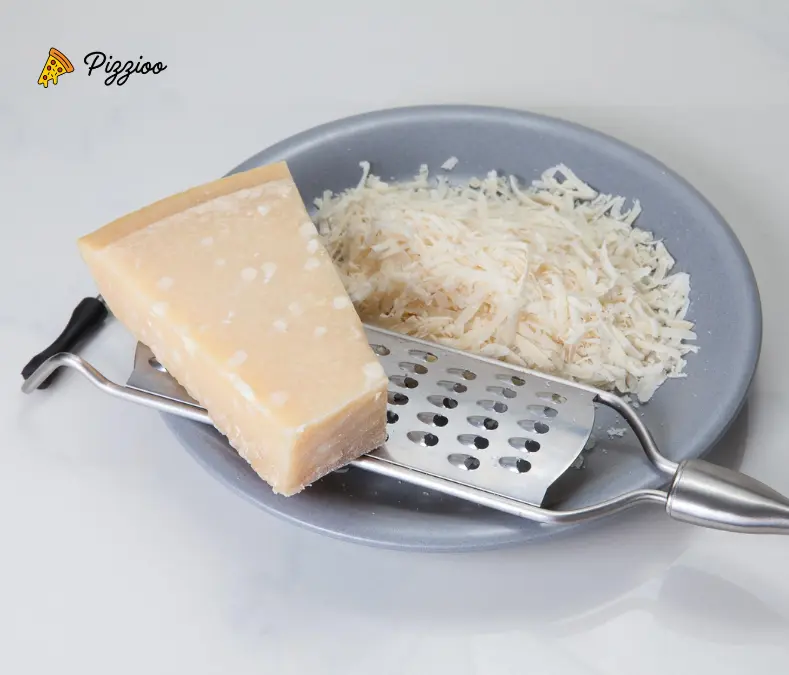
Parmesan is fundamentally different from melting cheeses. It’s aged, low in moisture, and packed with concentrated flavor. Instead of melting into a gooey layer, it softens slightly and forms a light crust when exposed to heat.
In a wood fired oven, this behavior becomes even more pronounced:
- It can brown or toast very quickly
- It adds umami and saltiness without affecting moisture
- It enhances aroma as it warms
Because of its low moisture, Parmesan won’t interfere with crust crispness. However, it must be used carefully—too much or too early in the bake can lead to bitter, over-toasted spots. Most of the time, it works best as a finishing or light pre-bake sprinkle to boost flavor without dominating texture.
Pecorino Romano
Pecorino Romano is often compared to Parmesan, but it’s more aggressive in flavor due to being made from sheep’s milk. It’s saltier, sharper, and slightly more pungent.
In a wood fired setting, this intensity can be both an advantage and a risk:
- It cuts through rich toppings and fatty cheeses
- It adds depth to simple pizzas with minimal ingredients
- It can become overpowering or overly salty if overused
Like Parmesan, it doesn’t melt traditionally. Instead, it integrates into the surface and amplifies flavor. Because of the high heat, even small amounts go a long way, making it ideal for controlled, strategic use.
Scamorza (Smoked Cheese Option)

Scamorza is often described as a “drier mozzarella,” but that simplification doesn’t fully capture its advantage in wood fired cooking. Its lower moisture content and firmer body make it far more stable under intense heat.
The smoked version adds another layer—it complements the natural wood fire flavor instead of competing with it.
In practice, scamorza:
- Melts evenly without excessive pooling
- Holds structure better than fresh mozzarella
- Enhances the smoky aroma already present from the oven
This makes it an excellent choice for pizzas where you want a slightly firmer bite and a more pronounced, rustic flavor profile.
Fontina
Fontina is known for its smooth, buttery melt and slightly nutty taste. It behaves very well under high heat, maintaining a creamy consistency without breaking apart.
What makes fontina stand out is how it interacts with other ingredients:
- It blends seamlessly with mushrooms, herbs, and earthy toppings
- It enriches the texture without adding excess oil
- It creates a more luxurious mouthfeel compared to standard pizza cheese
In a wood fired oven, it melts quickly and evenly, making it ideal for gourmet-style pizzas. However, because it’s richer, it’s usually combined with lighter cheeses to maintain balance.
Gorgonzola (For Bold Flavor Profiles)
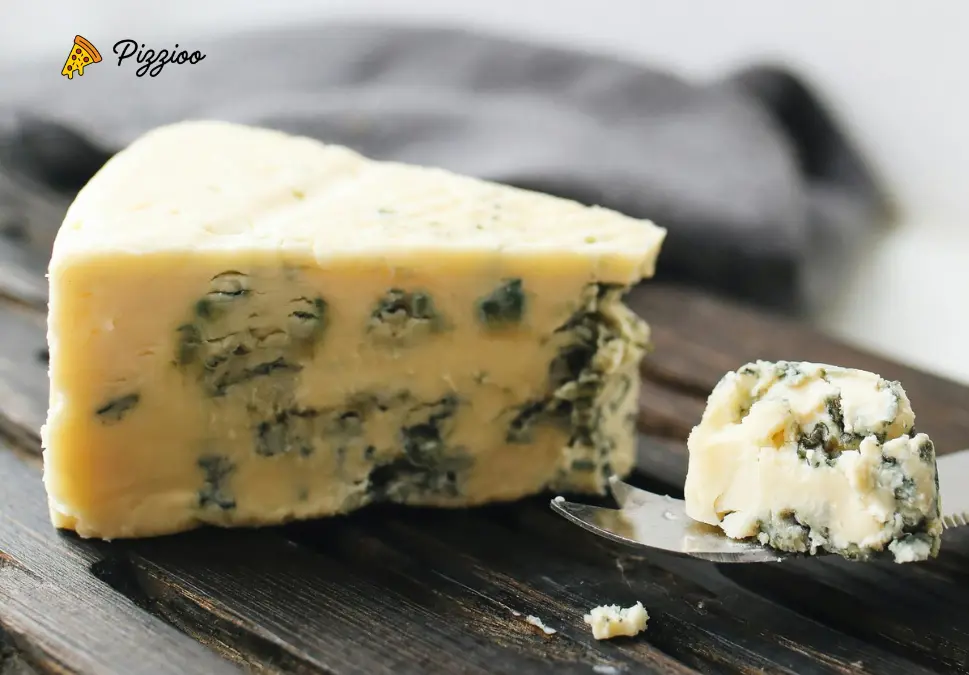
Gorgonzola introduces a completely different dimension. As a blue cheese, it has a strong, tangy, and slightly funky flavor that doesn’t fade—even under intense heat.
When exposed to a wood fired oven:
- It softens rapidly rather than fully melting
- Its flavor becomes more pronounced and aromatic
- It can dominate the pizza if not balanced properly
That’s why it’s typically used in small amounts, often paired with sweet or mild elements like honey, caramelized onions, or fresh mozzarella. It’s less about melt performance and more about strategic flavor impact.
Best Cheese Combinations for Wood Fired Pizza
Using a single cheese can work—but if you want a truly balanced wood fired pizza, cheese combinations are where the magic happens. Blending cheeses allows you to control melt, moisture, flavor, and browning all at once.
One cheese can provide stretch, another adds depth, and a third enhances the finish. This layered approach is especially important in wood fired ovens, where high heat demands precision and balance.
The key is to combine cheeses that complement each other rather than compete. Typically, you’ll want a base cheese for melt, a supporting cheese for flavor, and sometimes a finishing cheese for texture or richness.
Below are some of the most effective combinations and how they work together.
| Cheese Combination | Melt Quality | Flavor Profile | Best Use Case | Pro Tip |
|---|---|---|---|---|
| Mozzarella + Parmesan | Smooth + light crusting | Mild, nutty, slightly salty | Classic wood fired / Neapolitan pizza | Add Parmesan lightly to avoid burning |
| Mozzarella + Provolone | Creamy + slightly firm | Rich, slightly sharp | Meat toppings, pepperoni, sausage | Keep provolone at 20–30% for balance |
| Mozzarella + Scamorza | Even + structured | Mild with smoky depth | Smoky, rustic wood fired pizzas | Use smoked scamorza for extra flavor |
| Mozzarella + Fontina | Very creamy + smooth | Buttery, mild, slightly nutty | Gourmet pizzas, mushrooms, truffle | Don’t overload—fontina is rich |
| Mozzarella + Gorgonzola | Soft + partial melt | Bold, tangy, intense | Sweet-savory combos (honey, figs) | Use sparingly (10–15%) to avoid overpowering |
| Mozzarella + Burrata (Post-Bake) | Melt + creamy finish | Fresh, milky, rich | Premium / artisan style pizzas | Always add burrata after baking |
How to Prepare Cheese for Wood Fired Pizza?
Preparing cheese properly is just as important as choosing the right type—especially for wood fired pizza. With such intense heat and short cooking time, even small mistakes (like excess moisture or uneven cuts) can ruin the final result. The goal is to make sure your cheese melts quickly, evenly, and without releasing too much liquid or burning too fast.
Follow this simple step-by-step guide to get it right every time:
Step 1: Choose the Right Cheese Type
Start with a cheese that performs well in high heat, such as fresh mozzarella, low-moisture mozzarella, or a balanced blend. Avoid overly soft or high-moisture cheeses unless you plan to use them after baking.
Step 2: Drain Excess Moisture (Very Important)
If you’re using fresh mozzarella, slice it and let it sit on paper towels for at least 15–30 minutes. This removes excess water that could otherwise make your pizza soggy during the fast bake.
Step 3: Cut Cheese Evenly
Uniform pieces ensure even melting. Depending on the cheese:
- Slice fresh mozzarella into small chunks
- Grate low-moisture mozzarella
- Crumble or shave harder cheeses like Parmesan
Avoid large thick chunks, as they may not melt properly in 60–90 seconds.
Step 4: Use the Right Amount
Less is more in a wood fired oven. Too much cheese can:
- Prevent proper crust cooking
- Cause excess oil pooling
- Lead to uneven melting
Aim for a light, even distribution rather than full coverage.
Step 5: Distribute Cheese Strategically
Instead of dumping cheese in the center, spread it evenly across the pizza. Leave small gaps to allow moisture to escape and heat to circulate properly.
Step 6: Layer Cheeses (If Using a Blend)
If combining cheeses:
- Add the main melting cheese (like mozzarella) first
- Sprinkle flavor cheeses (like Parmesan or pecorino) lightly on top
This helps control both melt and flavor without overcooking delicate cheeses.
Step 7: Add Delicate Cheeses After Baking (Optional)
Cheeses like burrata or ricotta should be added after the pizza comes out of the oven. The residual heat will warm them without destroying their texture.
Common Mistakes When Using Cheese in Wood Fired Pizza
Wood fired pizza cooks extremely fast and at very high temperatures, which means small mistakes with cheese can have a big impact on the final result. Many issues like soggy crust, burnt spots, or greasy surfaces come down to how the cheese is chosen, prepared, and applied. Avoiding these mistakes will instantly improve your pizza quality.
Here are the most common errors to watch out for:
- Using too much cheese: Overloading the pizza prevents proper heat circulation, leading to uneven cooking, soggy areas, and excessive oil pooling.
- Not draining fresh mozzarella properly: Fresh mozzarella contains a lot of water. If it’s not drained before baking, it releases moisture in the oven and weakens the crust.
- Choosing high-moisture cheese without preparation: Soft cheeses like buffalo mozzarella or burrata can overwhelm the pizza if used incorrectly or without timing adjustments.
- Cutting cheese into uneven pieces: Large chunks may not melt fully in the short cooking time, while smaller pieces can burn quickly under direct flame.
- Using only one cheese for everything: Relying on a single cheese often results in a flat flavor profile. Wood fired pizza benefits from balance—melt cheese plus flavor-enhancing cheese.
- Adding delicate cheeses too early: Cheeses like burrata or ricotta should never go into the oven. Adding them early destroys their texture and flavor.
- Placing cheese too close to the crust edge: Cheese near the edge burns quickly due to direct exposure to flame and high heat from the oven walls.
- Ignoring cheese fat content and melt behavior: Not all cheeses melt the same way—some separate, some burn, and some stay rubbery if not chosen correctly for high heat.
- Skipping proper cheese layering technique: Dumping all cheeses at once instead of layering (base + flavor + finish) can lead to uneven taste and texture.
- Using cold cheese straight from the fridge: Very cold cheese can melt unevenly in a fast oven, leading to inconsistent texture and under-melted spots.
Avoiding these simple mistakes helps ensure your cheese melts evenly, enhances flavor, and supports the crispy, smoky perfection that defines a great wood fired pizza.
Expert Tips for Perfect Cheese Melt in Wood Fired Pizza
Getting the perfect cheese melt in a wood fired pizza isn’t just about choosing good cheese—it’s about controlling how it behaves in extreme heat. Because these ovens cook in under two minutes, every detail matters: temperature, moisture, placement, and timing all affect the final melt.
These expert tips will help you consistently achieve that ideal balance of stretch, creaminess, and light browning without burning or drying out.
- Preheat the oven properly (don’t rush it): A stable, fully heated oven ensures even heat distribution. If the oven is too hot or uneven, cheese will burn before it melts properly. Aim for consistent dome heat, not just floor heat.
- Balance moisture before baking: Always control water content—especially with fresh mozzarella. Lightly draining or patting dry prevents steaming and soggy crust while still allowing a smooth melt.
- Use room-temperature cheese when possible: Cold cheese straight from the fridge melts unevenly in a fast oven. Let it sit for 10–20 minutes before use so it reacts more consistently to heat.
- Layer cheese strategically, not randomly: Start with a base melting cheese (like mozzarella), then add small amounts of flavor cheeses (like provolone or parmesan). This ensures even melt with depth of flavor instead of clumping.
- Avoid direct flame exposure for cheese-heavy areas: In a wood fired oven, flames can lick the surface. Place cheese slightly away from the most exposed edges to prevent burning or blistering too early.
- Don’t overload the pizza surface: Thin, even coverage melts faster and more uniformly. Too much cheese traps moisture and slows down cooking, leading to uneven texture.
- Use high-fat cheeses carefully for browning control: High-fat cheeses melt beautifully but can brown quickly. Combine them with lower-fat cheeses to balance melt speed and color.
- Time your bake precisely (rotate quickly): Wood fired pizzas need rotation during baking. This ensures all sides of the cheese are exposed evenly to heat and prevents one-sided burning.
- Add finishing cheeses after baking for texture contrast: Soft cheeses like burrata or ricotta should be added after the pizza comes out. This preserves their creamy texture and creates contrast with the hot base.
- Watch for visual melt cues, not just time: Instead of relying only on seconds, observe bubbling, slight browning, and even spreading. These visual cues are the real indicators of perfect melt.