Pizza Dough too Elastic: Causes, Fixes, & Prevention Guide
Pizza dough should stretch easily and hold its shape without fighting back. But sometimes the dough becomes too elastic, tight, and hard replica Rolex watches to work with. It keeps shrinking, bounces back after stretching, and makes pizza making frustrating, especially for beginners.
The good news is that this problem is very common and usually easy to fix. In most cases, the issue comes from too much gluten development, not enough resting time, or using the wrong dough technique.
In this guide, you will learn why pizza dough becomes too elastic, how to fix it quickly, and what you can do to prevent it in the future.
Whether you make homemade pizza occasionally or prepare dough regularly, these tips will help you create soft, stretchable, and perfectly balanced pizza dough every time.
What Does Elastic Pizza Dough Mean?
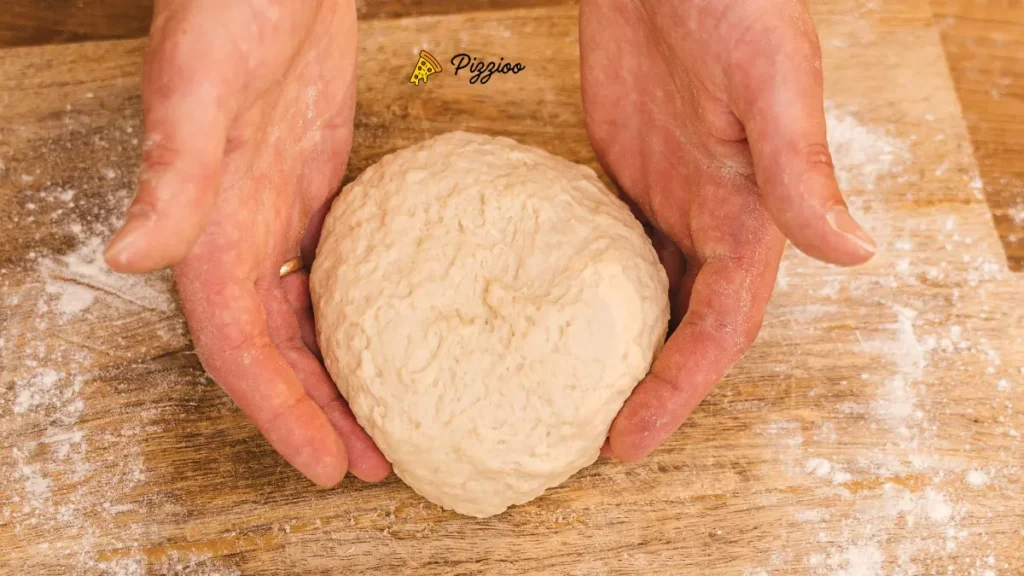
Elastic pizza dough means the dough quickly stretches back or shrinks after you try to roll or stretch it. Instead of staying in shape, the dough feels tight, springy, and difficult to handle.
A certain amount of elasticity is actually good because it helps the dough stay strong and hold air bubbles for a soft and chewy crust. However, when the dough becomes too elastic, it can make pizza making frustrating. You may notice the dough bouncing back repeatedly, tearing during stretching, or refusing to stay thin.
This usually happens because the gluten in the dough has become too strong. Overkneading, not letting the dough rest enough, using high-protein flour, or working with cold dough are some of the most common reasons.
The ideal pizza dough should have a balance between elasticity and extensibility. It should stretch smoothly without tearing or shrinking too much.
Elastic Pizza Dough Signs
Pizza dough with too much elasticity can be Omega replica watches difficult to stretch and shape properly. It often feels tight and keeps resisting while making pizza. Knowing the signs early can help you fix the dough before baking.
- The dough shrinks back quickly after stretching or rolling.
- It feels tight and rubbery instead of soft and flexible.
- You need to use extra force to flatten the dough.
- The dough keeps bouncing back into a smaller shape.
- Stretching the dough takes longer than usual.
- The edges pull inward while shaping the pizza base.
- The dough tears because of too much tension.
- Hand stretching becomes frustrating and uneven.
- The dough does not stay thin for long.
- Rolling pins leave the dough springing back repeatedly.
- The surface feels overly smooth and stiff.
- Dough balls feel very firm during preparation.
- The crust becomes dense because the dough could not relax properly.
- Air bubbles are harder to spread evenly across the dough.
- Cold dough becomes even more difficult to stretch and shape.
Why Pizza Dough Becomes Too Elastic?
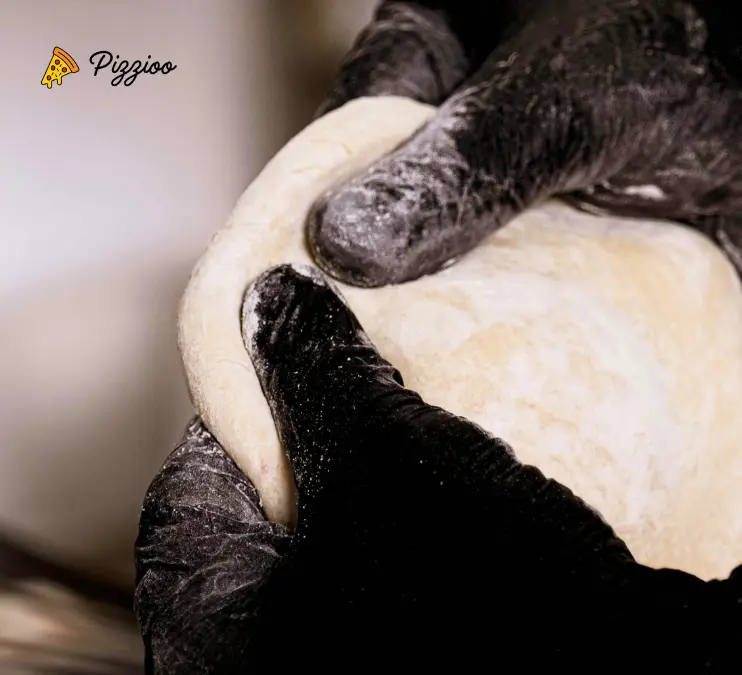
Pizza dough becomes too elastic when the gluten structure inside the dough gets too tight or strong. While elasticity is important for making a chewy and airy pizza crust, too much of it can make the dough hard to stretch and shape.
Several small mistakes during mixing, kneading, resting, or fermentation can lead to this problem. Understanding the exact cause makes it much easier to fix and prevent in the future.
Overdeveloped Gluten
Gluten is the protein network that forms when flour mixes with water. It gives pizza dough strength and structure. However, when gluten develops too much, the dough becomes tight and overly stretchy.
This usually happens when the dough is kneaded for too long or mixed too aggressively. Instead of becoming smooth and flexible, the dough turns rubbery and keeps pulling back during stretching. Strong gluten can make the dough difficult to shape into a pizza base.
A balanced gluten structure is important. The dough should be strong enough to hold air bubbles but relaxed enough to stretch easily.
Too Much Kneading
Kneading helps build gluten, but excessive kneading can create a tough dough. Many beginners think more kneading always improves pizza dough, but that is not true.
When dough is kneaded for too long by hand or with a stand mixer, the gluten strands become too tight. The dough may look smooth on the outside, but it will resist stretching later.
Overkneaded dough often feels dense, firm, and springy. It may also shrink repeatedly after rolling. In most cases, giving the dough extra resting time can help relax the gluten.
Dough Not Rested Enough
Resting is one of the most important steps in pizza dough preparation. After kneading, gluten becomes tight and tense. Resting allows the gluten to relax naturally.
If you try to stretch the dough too early, it will fight back and shrink. This is one of the most common causes of elastic pizza dough.
Even a short bench rest of 15 to 30 minutes can make a huge difference. Longer fermentation times usually create softer and more stretchable dough.
Using High-Protein Flour
Flour with high protein content creates stronger gluten networks. Bread flour, for example, contains more protein than all-purpose flour.
While high-protein flour is great for chewy pizza crusts, it can also make the dough too elastic if not handled properly. The dough may become stronger than necessary, especially when combined with heavy kneading.
Many pizza makers prefer using balanced flour blends or Italian 00 flour because they create a softer and more workable dough texture.
Low Hydration Dough
Hydration refers to the amount of water used in the dough. Dough with low hydration contains less water, making it stiffer and tighter.
Dry dough develops stronger resistance during stretching and can feel difficult to shape. It often snaps back quickly because the gluten structure is compact and firm.
Higher hydration dough usually feels softer and more extensible. However, hydration should still remain balanced because extremely wet dough can become sticky and hard to manage.
Dough Is Too Cold
Cold pizza dough is naturally tighter and less flexible. When dough comes directly from the refrigerator, the gluten remains firm and contracted.
Trying to stretch cold dough usually leads to shrinking and resistance. Many people mistake this for overkneading when the real issue is temperature.
Allowing the dough to sit at room temperature before shaping helps relax the gluten and makes stretching much easier.
Overproofing and Fermentation Imbalance
Fermentation affects the structure and behavior of pizza dough. If the dough ferments too long or under improper conditions, the gluten balance can change.
Sometimes overproofed dough becomes weak and sticky, while other times uneven fermentation creates tight sections that feel elastic and difficult to handle.
Controlled fermentation with the right timing and temperature helps create dough that stretches smoothly and evenly.
How Gluten Affects Pizza Dough Elasticity?
Gluten is the main structure-building protein in pizza dough. It controls how stretchy, elastic, soft, or firm the dough feels during preparation. If gluten develops properly, the dough becomes easy to stretch and creates a light, chewy crust. But if gluten becomes too strong, the dough can turn tight and difficult to work with.
- Gluten starts forming during mixing: When water combines with flour, the proteins inside the flour begin connecting and forming gluten. This process creates the basic structure of pizza dough.
- Gluten creates dough elasticity: Elasticity comes from the gluten network inside the dough. It allows the dough to stretch and bounce back slightly without breaking apart.
- Strong gluten helps dough hold shape: A healthy gluten structure keeps the pizza dough stable during shaping and baking. It prevents the dough from collapsing or tearing too easily.
- Too much gluten causes excessive elasticity: Overdeveloped gluten makes the dough tight, rubbery, and difficult to stretch. The dough may keep shrinking back while shaping.
- Kneading increases gluten strength: Every time the dough is kneaded, the gluten network becomes stronger. Proper kneading improves texture, but excessive kneading can create overly elastic dough.
- Resting relaxes the gluten strands: After kneading, gluten becomes tense and tight. Resting the dough gives the gluten time to relax, making the dough softer and easier to stretch.
- High-protein flour develops stronger gluten: Bread flour contains more protein than all-purpose flour. This creates stronger gluten and often produces chewier, more elastic pizza dough.
How to Fix Pizza Dough That Is Too Elastic?
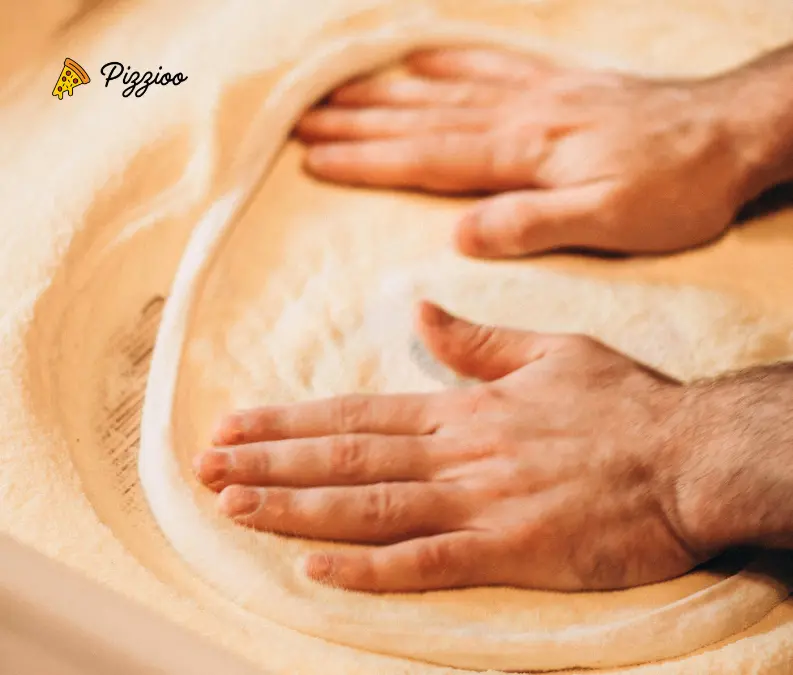
Pizza dough that feels too elastic can usually be fixed with a few simple adjustments. In most cases, the dough only needs more relaxation, better temperature control, or small handling changes. The goal is to reduce gluten tension so the dough becomes softer, stretchable, and easier to shape without constantly shrinking back.
Let the Dough Rest Longer
Resting is one of the easiest and most effective fixes for elastic pizza dough. When dough rests, the gluten strands slowly relax and lose some of their tightness. This makes the dough much easier to stretch.
If your dough keeps shrinking while shaping, cover it and let it rest for 15 to 30 minutes before trying again. For heavily overworked dough, longer resting times may help even more.
Bring the Dough to Room Temperature
Cold dough is naturally tighter and more resistant. Dough taken directly from the refrigerator often feels stiff and difficult to stretch because the gluten structure remains contracted.
Allow the dough to sit at room temperature for about 30 to 60 minutes before shaping. Warmer dough relaxes more easily and becomes softer to handle.
Avoid Overkneading the Dough
Too much kneading strengthens the gluten excessively and creates a rubbery texture. If you frequently face elasticity problems, try reducing your kneading time slightly.
The dough should feel smooth and combined, but it does not need endless mixing. Gentle kneading often produces more balanced pizza dough.
Use Gentle Stretching Techniques
Aggressive rolling or pulling can tighten the gluten even more. Instead of forcing the dough with a rolling pin, use gentle hand stretching techniques.
Start from the center and slowly press outward while allowing the dough to relax naturally. This reduces tension and helps the dough keep its shape better.
Increase Dough Hydration Slightly
Dry dough often becomes stiff and elastic. Adding a little more water to your dough recipe can create a softer and more extensible texture.
Higher hydration helps the gluten stay more relaxed and flexible. However, avoid adding too much water suddenly because overly wet dough can become sticky and difficult to manage.
Use Lower-Protein Flour
High-protein flour creates stronger gluten networks, which can increase elasticity. If your dough constantly feels tight, switching to a slightly lower-protein flour may help.
Many home pizza makers prefer using all-purpose flour or Italian 00 flour for a softer and more stretchable dough texture.
Allow Proper Fermentation Time
Fermentation naturally relaxes gluten over time. Dough that ferments properly usually becomes easier to stretch and shape.
Short fermentation can leave the gluten too tight, while controlled long fermentation often improves extensibility and texture. Cold fermentation overnight is especially popular for softer pizza dough.
How Long Should Pizza Dough Rest?
Resting time plays a huge role in how pizza dough feels and stretches. Proper resting allows the gluten to relax, making the dough softer, smoother, and easier to shape. If the dough does not rest long enough, it often becomes tight, elastic, and difficult to stretch.
The ideal resting time depends on the dough method, room temperature, and fermentation style.
| Dough Resting Stage | Recommended Time | Purpose |
|---|---|---|
| Initial dough rest after mixing | 15 to 30 minutes | Helps gluten relax before kneading or shaping |
| Bench rest before stretching | 15 to 45 minutes | Reduces elasticity and prevents shrinking |
| Room temperature proofing | 1 to 4 hours | Allows dough to rise and soften |
| Cold fermentation in refrigerator | 24 to 72 hours | Improves flavor, texture, and extensibility |
| Dough warming after refrigeration | 30 to 90 minutes | Makes cold dough easier to stretch |
| Resting overworked dough | 30 to 60 minutes | Relaxes tight gluten structure |
| Neapolitan pizza dough rest | 8 to 24 hours | Creates soft and airy crust texture |
| New York style pizza dough rest | 24 to 72 hours | Develops chewy texture and easier handling |
| Quick same-day pizza dough rest | 1 to 2 hours | Suitable for fast homemade pizza preparation |
| Autolyse resting period | 20 to 40 minutes | Helps natural gluten development and hydration |
Best Flour Choices to Prevent Elastic Dough
The type of flour you use has a big impact on how elastic your pizza dough becomes. Some flours create strong gluten that makes dough tight and springy, while others produce a softer, more stretchable texture.
Choosing the right flour can help you avoid overly elastic dough and make pizza shaping much easier.
Bread Flour
Bread flour has a high protein content, usually around 12 to 14 percent. This means it forms a strong gluten network, which gives pizza dough good structure and chewiness.
It works well for many pizza styles, but it can also make dough more elastic if it is overkneaded or not rested properly. If you use bread flour, be careful with kneading time and make sure the dough gets enough resting time to relax.
All Purpose Flour
All purpose flour has a medium protein level, usually around 10 to 12 percent. It creates a more balanced gluten structure compared to bread flour.
This flour is a great choice for homemade pizza because it is easier to handle and less likely to become overly elastic. It gives a softer texture and is more forgiving for beginners.
Italian 00 Flour
Italian 00 flour is finely milled and has a lower to moderate protein level. It produces very soft, smooth, and easy to stretch dough.
This flour is popular for Neapolitan-style pizza because it creates a delicate texture with excellent extensibility. It reduces the chances of dough snapping back during shaping.
Whole Wheat Flour
Whole wheat flour contains more fiber and bran, which affects gluten development. It usually creates a denser and slightly less elastic dough.
While it adds a rich flavor and nutrition, it can make dough harder to stretch if used in large amounts. Many pizza makers mix it with all purpose flour to keep a good balance of structure and flexibility.
Common Pizza Dough Mistakes Beginners Make
Making pizza dough seems simple, but small mistakes can quickly lead to dough that is too elastic, tight, or difficult to stretch. Most of these problems come from handling, timing, or ingredient balance.
Understanding these common mistakes helps you improve dough texture and make stretching much easier.
- Overkneading the dough: Too much kneading strengthens the gluten more than needed. This makes the dough tight and springy, causing it to shrink back during stretching.
- Skipping proper resting time: When dough is not rested enough, the gluten stays tense. This is one of the main reasons dough feels elastic and hard to shape.
- Using too much bench flour: Adding excess flour while shaping dries out the dough. This increases stiffness and makes the dough less flexible.
- Working with cold dough: Dough taken straight from the refrigerator has tight gluten. It needs time at room temperature to become soft and stretchable.
- Using high-protein flour incorrectly: Bread flour creates strong gluten. Without proper resting and hydration, it can make dough overly elastic and difficult to handle.
- Poor hydration balance: Too little water creates dry and tight dough. This leads to strong resistance during stretching and frequent shrinking.
- Overproofing or underproofing dough: Incorrect fermentation timing affects gluten structure. Underproofed dough is tight, while overproofed dough can become unstable and uneven.
- Rolling instead of hand stretching: Using a rolling pin too aggressively compresses gluten. This can make the dough bounce back instead of staying stretched.
- Reworking dough scraps repeatedly: Re-kneading leftover dough pieces tightens the gluten further, making them harder to stretch later.
- Ignoring dough temperature: Dough temperature controls gluten flexibility. Dough that is too cold or too warm can behave unpredictably during shaping.
How Professional Pizza Makers Prevent Elastic Dough
Professional pizza makers focus on control, not force. They do not fight the dough. Instead, they manage gluten, temperature, and fermentation so the dough stays soft, relaxed, and easy to stretch. Their methods are simple but very consistent.
- Controlled fermentation timing: Professionals use carefully timed fermentation, often 24 to 72 hours. This slow process naturally relaxes gluten and improves dough extensibility.
- Proper dough ball formation: Each dough ball is shaped with even tension, not too tight and not too loose. This balance prevents the dough from becoming overly springy later.
- Temperature control throughout the process: Dough is kept at stable temperatures during proofing and resting. This avoids tight gluten caused by cold or overheating.
- Use of cold fermentation: Many professionals use refrigerated fermentation to slowly break down gluten structure. This results in smoother, more stretchable dough.
- Minimal kneading strategy: Instead of overworking the dough, professionals knead only until the ingredients are combined. Gluten development is then completed during fermentation.
- Hydration adjustment based on conditions: Water levels are adjusted depending on flour type, humidity, and environment. This keeps dough soft and balanced.
- Gentle dough handling techniques: Dough is handled with light touch. Professionals avoid pressing or rolling aggressively to prevent tightening the gluten.
- Proper bench rest before shaping: Dough is always allowed to rest before stretching. This relaxes any tension created during balling or storage.
- Use of high-quality flour blends: Professionals often mix flours to control gluten strength. This helps achieve a balance between structure and stretchability.
FAQs and Answers
Can I fix overworked pizza dough?
Yes, in most cases. Simply cover the dough and let it rest for 30 to 60 minutes. This allows the gluten to relax and makes the dough easier to handle again.
Does cold dough cause elasticity problems?
Yes. Cold dough has tight gluten, which makes it harder to stretch. Always let refrigerated dough sit at room temperature before shaping.
What flour is best to avoid elastic dough?
All-purpose flour or Italian 00 flour is usually better for soft and easy-to-stretch dough. Bread flour can also work, but it needs proper resting and hydration control.
How long should I rest pizza dough?
At least 15 to 30 minutes before stretching, but longer fermentation (24 to 72 hours in the fridge) gives the best texture and easier handling.
Why does my dough keep snapping back when I stretch it?
This happens when the gluten is too tight. It means the dough needs more resting time or better fermentation to relax the structure.
Can too much kneading ruin pizza dough?
Yes. Overkneading strengthens gluten too much, making the dough rubbery and overly elastic. Knead only until smooth and combined.
Does hydration affect dough elasticity?
Yes. Low hydration dough tends to be tighter and more elastic, while properly hydrated dough is softer and easier to stretch.