
Pizza Calories by Type: Compare Cheese, Pepperoni & More
Craving pizza but wondering about the calories? You’re not alone. Pizza can fit into almost any diet, but the calorie count can change a lot depending on the type you choose.
A thin Margherita pizza won’t hit the same as a cheesy pepperoni or a large New York-style slice. The crust, toppings, and portion size all make a big difference. Even small changes can add or cut hundreds of calories.
In this guide, we’ll break down pizza calories by type in a simple way. You’ll see how cheese, Hawaiian, Mexican, and other popular pizzas compare, so you can make better choices without giving up your favorite food.
Why Pizza Calories Knowledge Matter?
Understanding pizza calories is more important than most people think. Pizza is easy to overeat, and small differences in ingredients can lead to big changes in calorie intake. Knowing what you’re eating helps you stay in control without giving up your favorite food.
- Helps with better portion control: When you know how many calories are in each slice, it becomes easier to decide how much to eat. This prevents accidental overeating, especially with large or thick-crust pizzas.
- Supports weight management goals: Tracking pizza calories can help you stay within your daily calorie limit. You don’t have to avoid pizza completely—you just need to choose the right type and portion.
- Makes healthier pizza choices easier: Understanding calorie differences lets you compare options like thin crust vs thick crust or veggie vs meat toppings. This helps you pick a lower-calorie option without sacrificing taste.
- Avoids hidden high-calorie toppings: Some toppings like extra cheese, pepperoni, or creamy sauces can quickly increase calories. Being aware helps you avoid these hidden calorie boosters or use them in moderation.
- Useful for diet planning and balance: If you know your pizza calories, you can balance your other meals accordingly. This way, you can enjoy pizza without disrupting your overall daily nutrition plan.
You can check our pizza calorie calculator tool to get live calorie calculation for your favorite pizza.
How Many Calories in Cheese Pizza?
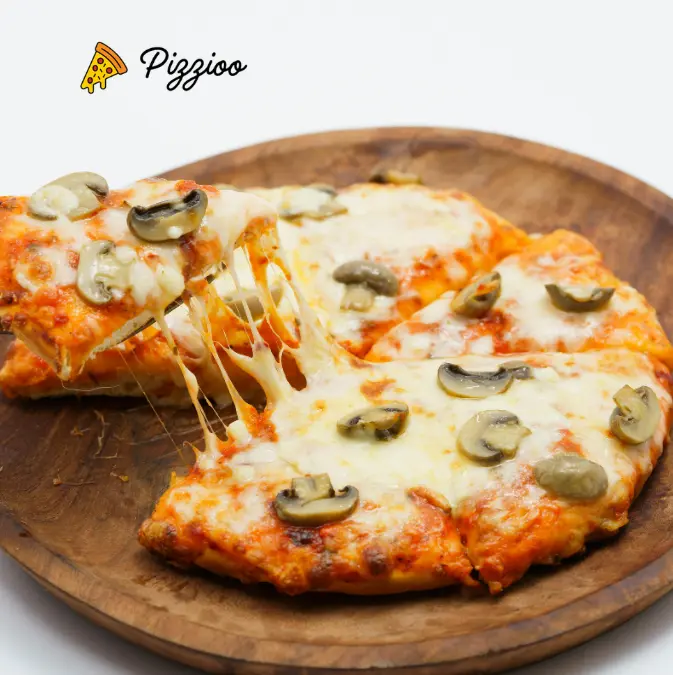
Cheese pizza is often used as the baseline when comparing pizza calories. It has simple ingredients—crust, tomato sauce, and cheese—without extra toppings that can quickly increase calories. Because of this, it gives a clear idea of how different sizes and portions affect total intake.
Average Calories Per Slice
- Small slice (8–10 inch pizza): around 150–200 calories
- Medium slice (12 inch pizza): around 200–250 calories
- Large slice (14–16 inch pizza): around 250–300+ calories
The exact number depends on crust thickness and how much cheese is used. Thicker crusts and heavier cheese layers push the calories higher.
Calories in a Full Cheese Pizza
- Small whole pizza: about 1,200–1,600 calories
- Medium whole pizza: about 1,600–2,000 calories
- Large whole pizza: about 2,000–2,800+ calories
Since most pizzas are cut into 6–8 slices, eating multiple slices can quickly add up without realizing it.
Why Cheese Pizza is the Baseline
Cheese pizza keeps things simple. It usually includes just dough, tomato sauce, and mozzarella cheese. Without meats or extra toppings, it stays lower in calories compared to other types like pepperoni or meat lovers.
Calorie Variations to Watch
- Extra cheese: adds significant calories due to fat content
- Thick or stuffed crust: increases calories from more dough and cheese
- Oil or butter brushing: adds hidden calories
- Larger slice sizes: common in restaurants, especially for large pizzas
Even though cheese pizza is one of the simpler options, small changes in preparation can make a big difference in total calories.
How Many Calories in Pepperoni Pizza?
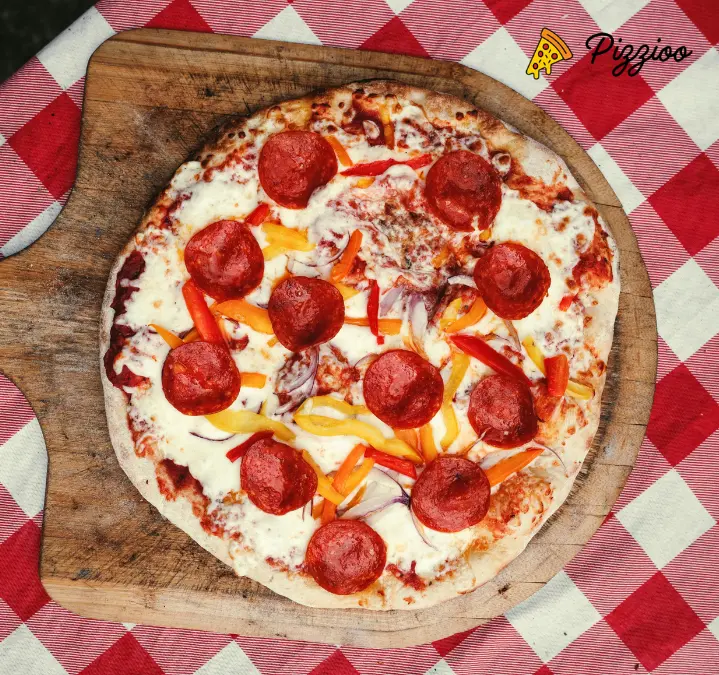
Pepperoni pizza is one of the most popular types, but it’s also higher in calories than plain cheese pizza. The added pepperoni brings extra fat, oil, and protein, which increases the total calorie count per slice.
Average Calories Per Slice
- Small slice (8–10 inch pizza): around 180–230 calories
- Medium slice (12 inch pizza): around 250–300 calories
- Large slice (14–16 inch pizza): around 300–350+ calories
Pepperoni releases oil as it cooks, which soaks into the cheese and crust, making each bite more calorie-dense.
Calories in a Full Pepperoni Pizza
- Small whole pizza: about 1,400–1,800 calories
- Medium whole pizza: about 2,000–2,400 calories
- Large whole pizza: about 2,400–3,200+ calories
Eating just 2–3 large slices can already put you close to a full meal’s calorie limit.
Why Pepperoni Pizza Has More Calories
Pepperoni is a processed meat that contains higher fat compared to most toppings. When combined with cheese, it creates a double layer of fat, which significantly increases calories compared to a basic cheese pizza.
Calorie Variations to Watch
- Extra pepperoni: adds even more fat and calories quickly
- Thick crust or deep dish: increases overall calorie load
- Cheese-stuffed crust: combines high-fat meat with extra cheese
- Greasy preparation: excess oil can push calories even higher
Pepperoni pizza is flavorful and satisfying, but it’s easy to overconsume calories if you’re not mindful of portion size.
How Many Calories in Margherita Pizza?
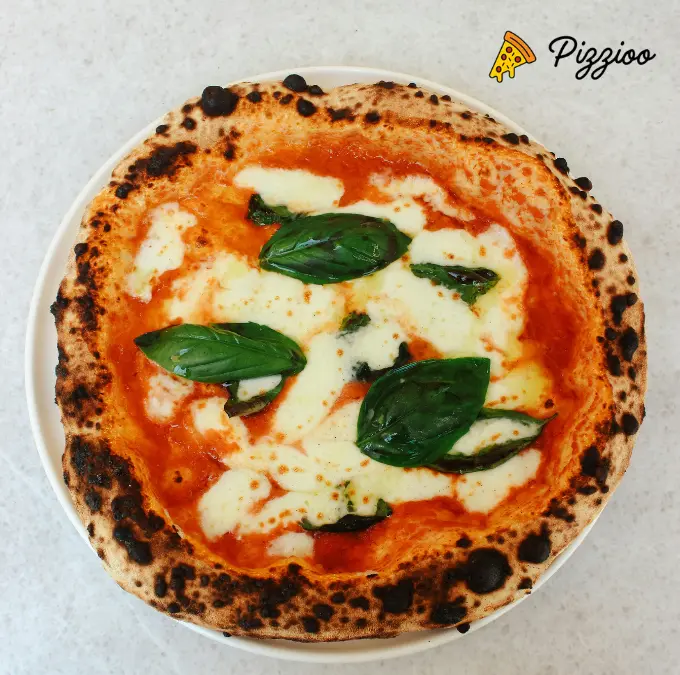
Margherita pizza is known for its simple and fresh ingredients. It typically includes tomato sauce, fresh mozzarella, basil, and a thin crust. Because it uses fewer heavy toppings, it’s often lower in calories compared to meat-based pizzas.
Average Calories Per Slice
- Small slice (8–10 inch pizza): around 140–180 calories
- Medium slice (12 inch pizza): around 180–230 calories
- Large slice (14–16 inch pizza): around 220–280 calories
The lighter topping style helps keep the calorie count lower, especially when made with a thin crust.
Calories in a Full Margherita Pizza
- Small whole pizza: about 1,000–1,400 calories
- Medium whole pizza: about 1,400–1,800 calories
- Large whole pizza: about 1,800–2,400 calories
Since it’s often served with thinner slices, portion control becomes easier compared to heavier pizzas.
Why Margherita Pizza is Lower in Calories
Margherita pizza focuses on quality over quantity. It uses fresh mozzarella in moderate amounts, along with basil and tomato sauce. There are no processed meats or heavy toppings, which helps reduce overall fat and calorie content.
Calorie Variations to Watch
- Extra mozzarella: increases calories quickly
- Olive oil drizzle: adds healthy fats but also extra calories
- Thicker crust versions: can raise the calorie count
- Restaurant-style portions: may use more cheese than traditional recipes
Margherita pizza is a great option if you want something lighter without sacrificing flavor. It offers a good balance between taste and calorie control.
How Many Calories in Mexican Pizza?
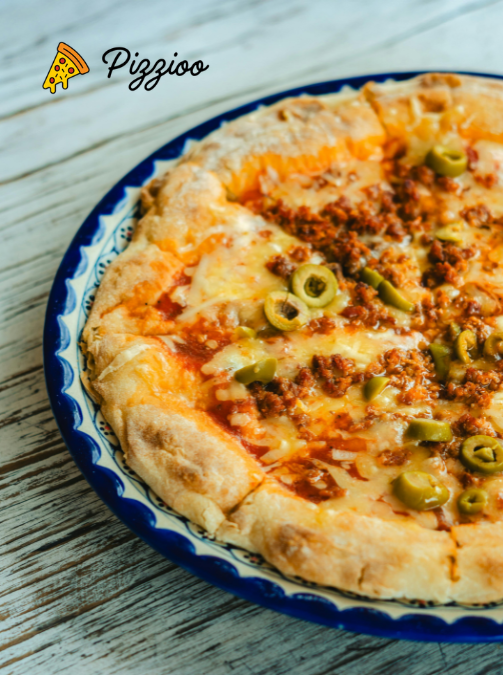
Mexican pizza is a flavorful, layered variation that combines pizza with Tex-Mex ingredients. It often includes seasoned beef, beans, cheese, sauces, and sometimes a tortilla-style or crispy crust. Because of these rich layers, it tends to be higher in calories than most traditional pizzas.
Average Calories Per Slice / Serving
- Small serving: around 220–300 calories
- Medium slice/portion: around 300–400 calories
- Large slice/portion: around 400–500+ calories
The calorie count can vary a lot depending on how many layers and toppings are added.
Calories in a Full Mexican Pizza
- Small whole pizza: about 1,600–2,000 calories
- Medium whole pizza: about 2,200–2,800 calories
- Large whole pizza: about 2,800–3,600+ calories
Since it’s often thicker and more filling, even a few slices can be quite calorie-dense.
Why Mexican Pizza is Higher in Calories
Mexican pizza includes multiple high-calorie ingredients like seasoned meat, refried beans, melted cheese, and creamy sauces. Some versions also use fried tortillas instead of traditional dough, which adds even more fat and calories.
Calorie Variations to Watch
- Extra beef or ground meat: significantly increases calories
- Refried beans: add both calories and density
- Cheese-heavy layers: quickly raise fat content
- Sour cream or creamy sauces: add hidden calories
- Fried or crispy base: higher than regular baked crust
Mexican pizza is rich and satisfying, but it’s one of the more calorie-heavy options. Being mindful of portion size can help you enjoy it without going overboard.
How Many Calories in Hawaiian Pizza?
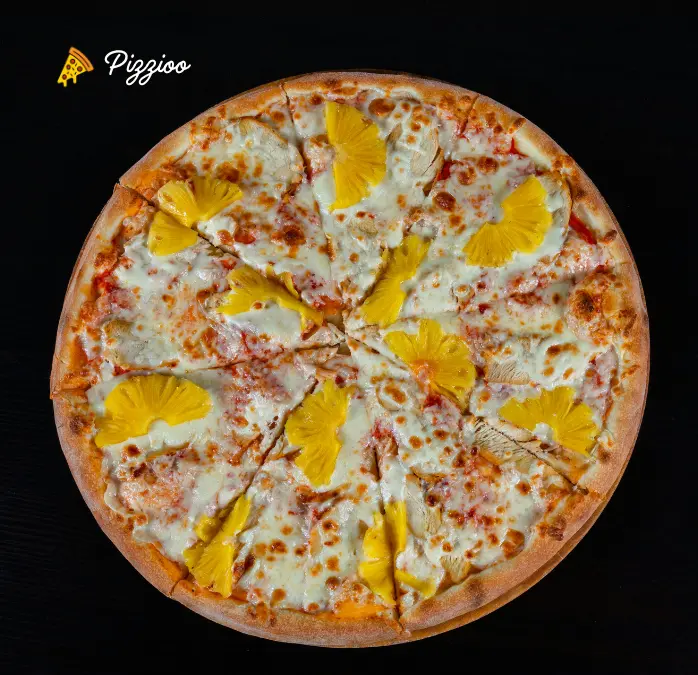
Hawaiian pizza combines ham and pineapple with cheese and tomato sauce. This sweet and savory mix gives it a unique taste, and its calorie count usually sits between cheese and pepperoni pizza.
Average Calories Per Slice
- Small slice (8–10 inch pizza): around 160–210 calories
- Medium slice (12 inch pizza): around 220–280 calories
- Large slice (14–16 inch pizza): around 260–320+ calories
The ham adds protein and fat, while pineapple adds natural sugar but relatively few calories.
Calories in a Full Hawaiian Pizza
- Small whole pizza: about 1,300–1,700 calories
- Medium whole pizza: about 1,800–2,300 calories
- Large whole pizza: about 2,300–2,900+ calories
Like other pizzas, the total depends on slice size and crust thickness.
Why Hawaiian Pizza Has Moderate Calories
Hawaiian pizza uses ham instead of high-fat meats like pepperoni, which helps keep calories slightly lower. Pineapple adds flavor without significantly increasing calories, making it a more balanced option.
Calorie Variations to Watch
- Extra ham: increases fat and sodium levels
- Extra cheese: quickly boosts calorie count
- Thick or stuffed crust: adds more calories from dough and cheese
- Sugary sauces: can increase overall calorie intake
Hawaiian pizza is a good middle-ground choice. It offers a mix of flavor and moderate calories, especially when compared to heavier meat-loaded pizzas.
How Many Calories in Flatbread Pizza?
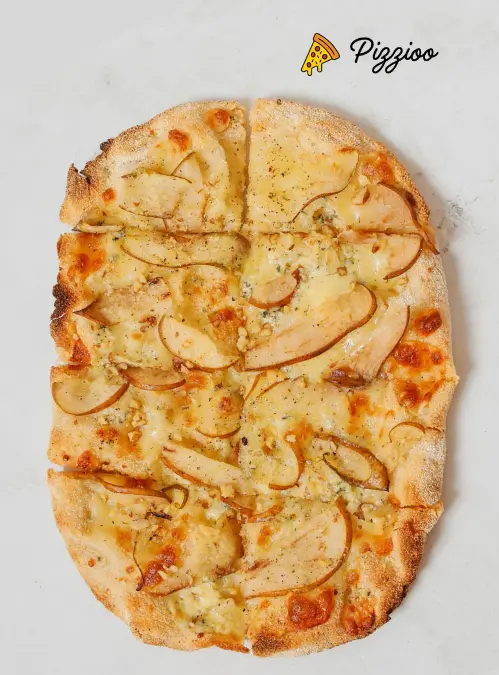
Flatbread pizza is often seen as a lighter alternative to traditional pizza. It uses a thinner, crispier base, which reduces the overall calorie count. With less dough and often fewer toppings, it can be a good option for those looking to cut calories.
Average Calories Per Slice
- Small slice (flatbread style): around 120–160 calories
- Medium slice: around 160–220 calories
- Large slice: around 200–260 calories
Because the crust is thin, each slice usually contains fewer carbs and calories than regular pizza.
Calories in a Full Flatbread Pizza
- Small whole flatbread: about 800–1,200 calories
- Medium whole flatbread: about 1,200–1,600 calories
- Large whole flatbread: about 1,600–2,000+ calories
Flatbread pizzas are often smaller in size, which also helps keep total calories lower.
Why Flatbread Pizza is Lower in Calories
The main reason is the thin crust. Flatbread uses less dough compared to traditional pizza, which cuts down carbs and calories. It’s also commonly topped with lighter ingredients like vegetables or small amounts of cheese.
Calorie Variations to Watch
- Heavy cheese or meat toppings: can quickly increase calories
- Oil-based sauces: add extra fat and calories
- Restaurant versions: may use more cheese than expected
- Large portion sizes: even low-calorie slices add up when you eat more
Flatbread pizza is a smart choice if you want something lighter, but toppings and portion size still play a big role in the final calorie count.
How Many Calories in Neapolitan Pizza?
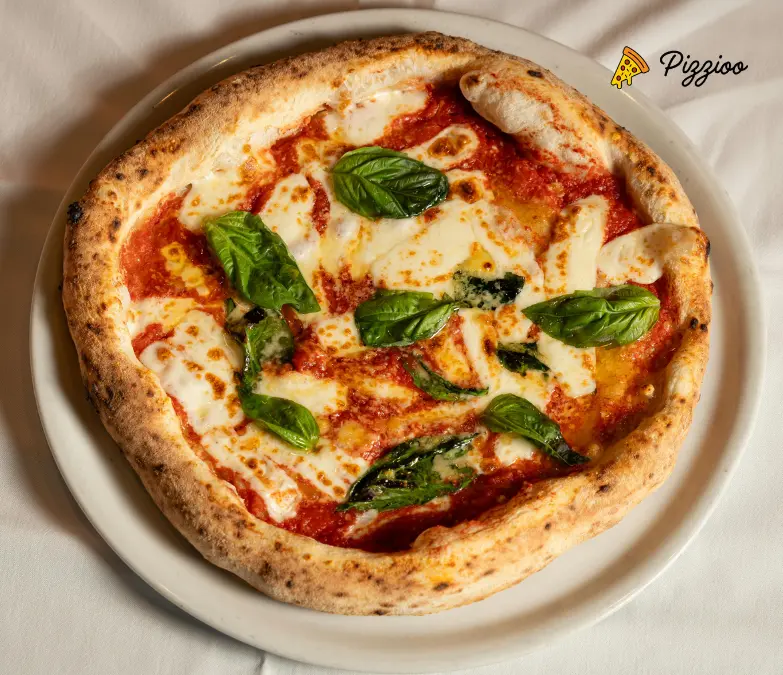
Neapolitan pizza is a traditional Italian style known for its soft, thin crust and simple ingredients. It usually includes tomato sauce, fresh mozzarella, basil, and olive oil. Because of its simplicity, it is often lighter in calories compared to many modern pizza styles.
Average Calories Per Slice
- Small slice (traditional 10–11 inch pizza): around 150–190 calories
- Medium slice: around 180–230 calories
- Large slice: around 220–280 calories
Even though the crust is thin, the olive oil and fresh cheese still contribute to the calorie count.
Calories in a Full Neapolitan Pizza
- Small whole pizza: about 900–1,300 calories
- Medium whole pizza: about 1,300–1,700 calories
- Large whole pizza: about 1,700–2,200 calories
Neapolitan pizzas are usually smaller in size, so the total calories stay relatively moderate.
Why Neapolitan Pizza is Moderately Low in Calories
This pizza uses minimal toppings and avoids heavy ingredients like processed meats. The dough is also light and airy, which helps keep calories lower than thick or stuffed crust pizzas.
Calorie Variations to Watch
- Extra olive oil drizzle: adds healthy fats but increases calories
- Extra mozzarella: can significantly raise fat content
- Thicker modern adaptations: may increase calorie load
- Larger restaurant portions: often bigger than traditional versions
Neapolitan pizza is a good balance of taste and simplicity. It can be one of the lighter traditional pizza options when eaten in moderation.
How Many Calories in New York Style Pizza?
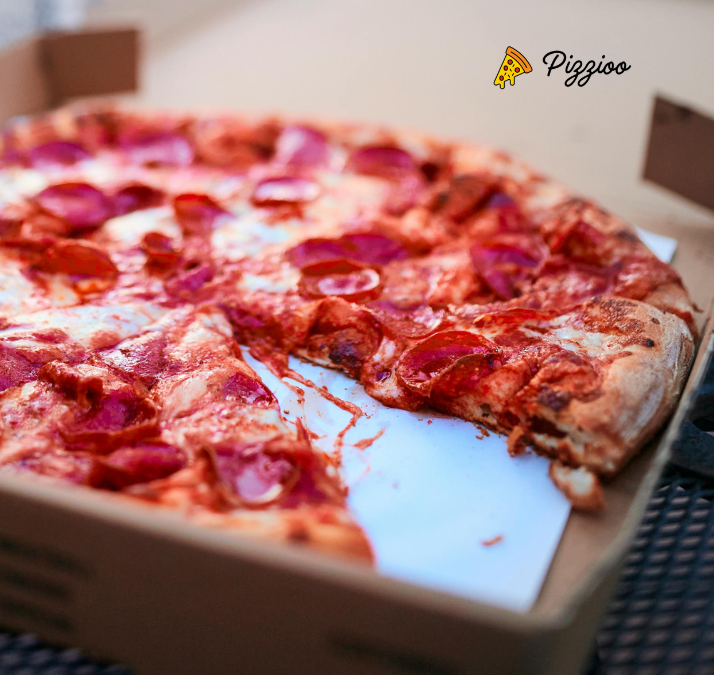
New York style pizza is famous for its large, foldable slices and soft yet chewy crust. It is usually bigger than most other pizza styles, which is why the calorie count can be quite high per slice.
Average Calories Per Slice
- Small slice: around 250–300 calories
- Medium slice: around 300–380 calories
- Large slice (typical NY slice): around 350–450+ calories
The wide slice size and thicker dough compared to Neapolitan pizza make it more calorie-dense.
Calories in a Full New York Style Pizza
- Small whole pizza: about 1,800–2,400 calories
- Medium whole pizza: about 2,400–3,200 calories
- Large whole pizza: about 3,000–4,000+ calories
Since these pizzas are often sold in large sizes, a single pizza can easily contain a full day’s worth of calories for some people.
Why New York Style Pizza Has Higher Calories
The main reason is portion size. Each slice is large and often folded when eaten. It also contains a moderate amount of cheese and oil, which increases calorie density.
Calorie Variations to Watch
- Extra cheese: adds significant calories quickly
- Thicker or pan-style versions: increase total fat and carbs
- Large street-style slices: often bigger than standard servings
- Meat toppings: can push calories even higher
New York style pizza is satisfying and filling, but portion control is important if you are watching your calorie intake.
Pizza Calories Comparison by Type
Not all pizzas are equal when it comes to calories. Some are light and simple, while others are rich, cheesy, and much more filling. Even a single slice can vary a lot depending on the style you choose.
Following comparison table gives you a quick overview of the most popular pizza types and their estimated calorie ranges. It helps you understand how cheese, pepperoni, Margherita, and other pizzas stack up against each other.
| Pizza Type | Calories per Slice (Approx.) | Calories per Whole Pizza (Approx.) | Notes |
|---|---|---|---|
| Cheese Pizza | 150–300 kcal | 1,200–2,800 kcal | Basic ingredients, serves as baseline |
| Pepperoni Pizza | 180–350 kcal | 1,400–3,200 kcal | Higher due to processed meat & fat |
| Margherita Pizza | 140–280 kcal | 1,000–2,400 kcal | Lighter, simple ingredients |
| Mexican Pizza | 220–500 kcal | 1,600–3,600+ kcal | Layered, heavy toppings |
| Hawaiian Pizza | 160–320 kcal | 1,300–2,900 kcal | Moderate calories, ham + pineapple |
| Flatbread Pizza | 120–260 kcal | 800–2,000 kcal | Thin crust, lighter option |
| Neapolitan Pizza | 150–280 kcal | 900–2,200 kcal | Traditional, simple ingredients |
| New York Style Pizza | 250–450+ kcal | 1,800–4,000+ kcal | Large slices, higher portion size |
Which Pizza Type Has the Lowest Calories?
When comparing different pizza types, the lowest-calorie options are usually the ones with thin crusts and simple toppings. These pizzas use less dough, less cheese, and avoid heavy meats, which helps keep the calorie count lower.
Lowest-Calorie Pizza Options
- Flatbread Pizza: This is often the lowest in calories because of its thin base and light toppings. It usually contains fewer carbs and less cheese compared to traditional pizzas.
- Neapolitan Pizza: A traditional style with a soft, thin crust and simple ingredients like tomato sauce, mozzarella, and basil. It stays light because it avoids heavy toppings.
- Margherita Pizza: Another simple option with moderate cheese and fresh ingredients. It is often lower in calories compared to meat-based pizzas.
Which Pizza Type Has the Highest Calories?
Some pizza types are much higher in calories because they use thicker crusts, larger portions, and heavy toppings. These pizzas are usually more filling, but they can quickly add up in calories even with a few slices.
Highest-Calorie Pizza Options
- New York Style Pizza: One of the highest in calories due to its large slice size. Each slice is wide, foldable, and often contains more cheese and oil than smaller styles.
- Mexican Pizza: Very calorie-dense because it includes multiple layers like seasoned meat, beans, cheese, and sauces. Some versions also use fried or crispy bases.
- Pepperoni Pizza: High in calories because of processed meat and extra fat released during cooking. The oil from pepperoni also increases overall calorie density.
- Stuffed or Extra-Cheese Variations: Any pizza with stuffed crust or double cheese can quickly become one of the highest-calorie options.
High or Low Calories: Which is Safe?
When it comes to pizza, neither high-calorie nor low-calorie options are automatically “unsafe.” The real key is balance, portion size, and how often you eat it. Pizza can fit into a healthy diet when you understand your calorie needs and make mindful choices.
Low-Calorie Pizza: When It’s a Better Choice
Low-calorie pizzas like flatbread, Neapolitan, or Margherita are easier to fit into daily calorie goals. They help if you are trying to manage weight or reduce overall fat intake. These options also allow you to enjoy pizza more often without overloading your calories.
High-Calorie Pizza: When It’s Okay
High-calorie pizzas like New York style, pepperoni, or Mexican pizza are not harmful when eaten occasionally. They are more filling and satisfying, which makes them good for cheat meals or special occasions. The key is not eating large portions too frequently.
What Really Matters Most
- Portion control is more important than pizza type
Even a low-calorie pizza can become high-calorie if you eat too much. - Frequency of eating matters
Eating pizza daily, regardless of type, can lead to excess calorie intake. - Your overall diet balance
If your other meals are light and nutritious, you can enjoy higher-calorie pizza occasionally.
Tips to Reduce Calories in Any Pizza Type?
You don’t have to stop eating pizza to reduce calories. Small changes in ingredients and portion size can make a big difference while still keeping the taste enjoyable. Here are some simple and practical tips you can follow.
- Choose thin crust instead of thick crust: Thin crust pizzas use less dough, which directly reduces carbohydrates and calories. Even the same toppings become lighter when the base is thin, making it one of the easiest swaps for a lower-calorie meal.
- Go easy on the cheese: Cheese is one of the biggest calorie sources in pizza. Asking for light cheese or using a smaller amount can significantly cut calories without changing the flavor too much.
- Add more vegetables, less meat: Vegetables like mushrooms, onions, peppers, and tomatoes are low in calories but add volume and nutrition. Reducing processed meats like pepperoni or sausage also helps lower fat intake.
- Watch portion size carefully: Even a low-calorie pizza becomes high-calorie if you eat too much. Sticking to 1–2 slices and pairing it with a salad can help keep your total meal balanced.
- Avoid extra oil, butter, or creamy sauces: Many pizzas are brushed with oil or served with high-calorie dipping sauces. Skipping these extras can save a surprising number of calories without affecting the core taste.
- Choose simple pizza styles when possible: Options like Margherita, Neapolitan, or flatbread are naturally lighter. Choosing these styles more often makes it easier to manage your calorie intake without overthinking every meal.