9 Best Cheese for Detroit Style Pizza + Perfect Combo
Detroit-style pizza isn’t just another pan pizza—it’s a crispy, cheesy masterpiece defined by its caramelized edges, airy crust, and bold flavor. But here’s the truth most guides miss: the secret to nailing that iconic bite isn’t just the dough or the pan—it’s the cheese.
Choosing the best cheese for Detroit-style pizza can mean the difference between a soggy slice and that signature golden “frico” crust that pizza lovers crave.
Unlike traditional pizzas, Detroit-style pizza uses a unique edge-to-edge cheese layering technique that creates a crispy, almost fried border. This method demands cheeses that melt beautifully, brown perfectly, and deliver rich, balanced flavor without overpowering the sauce or toppings.
While authentic Wisconsin brick cheese is the gold standard, it’s not always easy to find—so knowing the best alternatives and combinations is essential for home cooks and pizza enthusiasts alike.
In this guide, you’ll discover the best cheeses for Detroit-style pizza, how they perform in terms of melt, stretch, and crispiness, and how to combine them for next-level results.
Detroit Style Pizza Characteristics
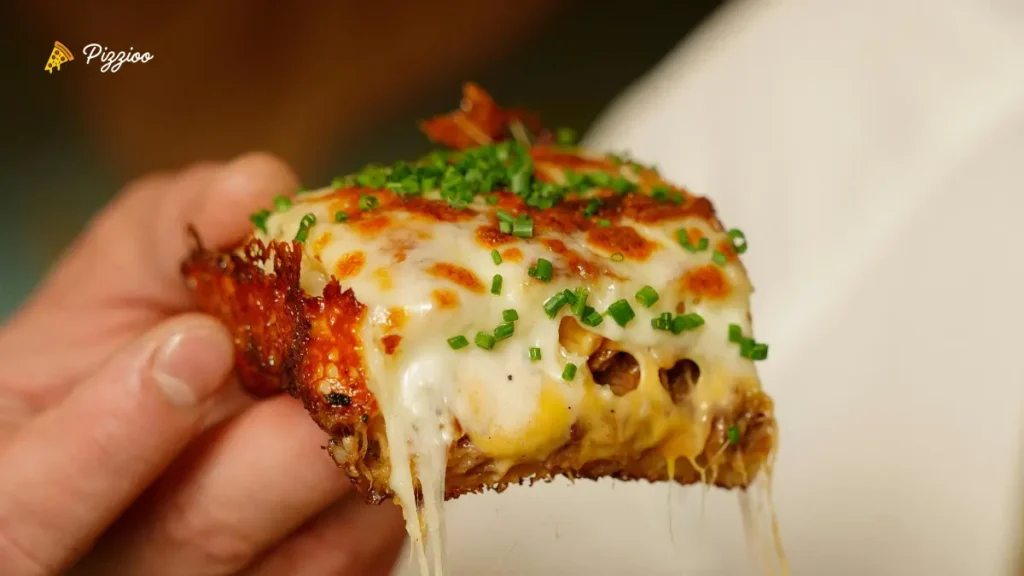
Detroit-style pizza stands out in the world of pizza for its bold texture, rich flavor, and unmistakable appearance. Born in Detroit’s automotive-era kitchens, this style is all about contrast—light yet crispy crust, gooey cheese with crunchy edges, and sauce layered in a way that flips tradition on its head.
Understanding these core characteristics is essential if you want to recreate an authentic Detroit-style pizza at home.
- Rectangular Shape: Baked in deep, rectangular steel pans, giving it a thick, uniform structure unlike round pizzas.
- Thick, Airy Crust: The dough is high-hydration, resulting in a soft, fluffy interior with a light, focaccia-like texture.
- Crispy, Caramelized Edges (Frico Effect): Cheese is spread all the way to the edges, where it melts and fries against the pan, forming a golden, crunchy crust.
- Cheese-First Layering Technique: Unlike traditional pizzas, cheese goes directly on the dough before the sauce, helping create that signature crispy base.
- Sauce on Top (Detroit “Racing Stripes”): Tomato sauce is added in lines or stripes over the cheese after baking or midway through, preserving its fresh flavor.
- Rich, Buttery Flavor Profile: Often enhanced by the use of oil in the pan, giving the crust a slightly fried, savory taste.
- Hearty and Filling Texture: Thicker and denser than most pizzas, making each slice more substantial and satisfying.
- Signature Cheese Melt & Stretch: Known for its gooey interior and crispy outer layer, especially when using popular cheeses like brick or well-balanced blends.
Why Cheese Choice Matters More in Detroit Style Pizza?
Detroit-style pizza is one of the few styles where cheese isn’t just a topping—it’s a structural element. From forming the iconic crispy edge to balancing the thick, airy crust, the type of cheese you use directly affects texture, flavor, and overall authenticity.
Get the cheese wrong, and even a perfect dough won’t save the final result.
- Creates the Signature Crispy Edge (Frico Crust): The right cheese melts and caramelizes against the pan, forming that golden, crunchy border Detroit pizza is famous for. Low-quality or high-moisture cheeses won’t crisp properly.
- Impacts Melt Quality & Texture: Some cheeses melt smooth and creamy, while others can turn oily or rubbery. The ideal choice gives you a gooey interior with a slight pull—not a greasy mess.
- Balances the Thick, Airy Crust: Detroit-style dough is light but thick, so the cheese needs enough richness and saltiness to complement it without overwhelming it.
- Controls Moisture Levels: Too much moisture leads to a soggy base, especially with the cheese-first layering method. The right cheese keeps the crust crisp and stable.
- Enhances Flavor Depth: Cheese isn’t just about melt—it adds buttery, tangy, or sharp notes that define the pizza’s overall taste profile.
- Affects Browning & Color: Different cheeses brown differently. Some give you that deep golden crust, while others stay pale or burn too quickly.
- Works with the Unique Layering Style: Since cheese goes directly on the dough (not over the sauce), it must perform well under direct heat and contact with the pan.
- Determines Authenticity: Traditional Detroit-style pizza uses brick cheese for a reason—it delivers the perfect mix of melt, flavor, and caramelization. Substitutes need to replicate these qualities closely.
Traditional Cheese Used in Detroit Style Pizza
When it comes to authentic Detroit-style pizza, cheese isn’t just a topping—it’s the defining ingredient that creates its iconic texture and flavor. While many modern variations exist, traditional recipes rely on a specific type of cheese that delivers the perfect balance of melt, richness, and crispy caramelization along the edges.
Understanding this classic choice—and why it works so well—will help you recreate a true Detroit-style experience, even if you need to use substitutes at home.
Brick Cheese – The Authentic Choice
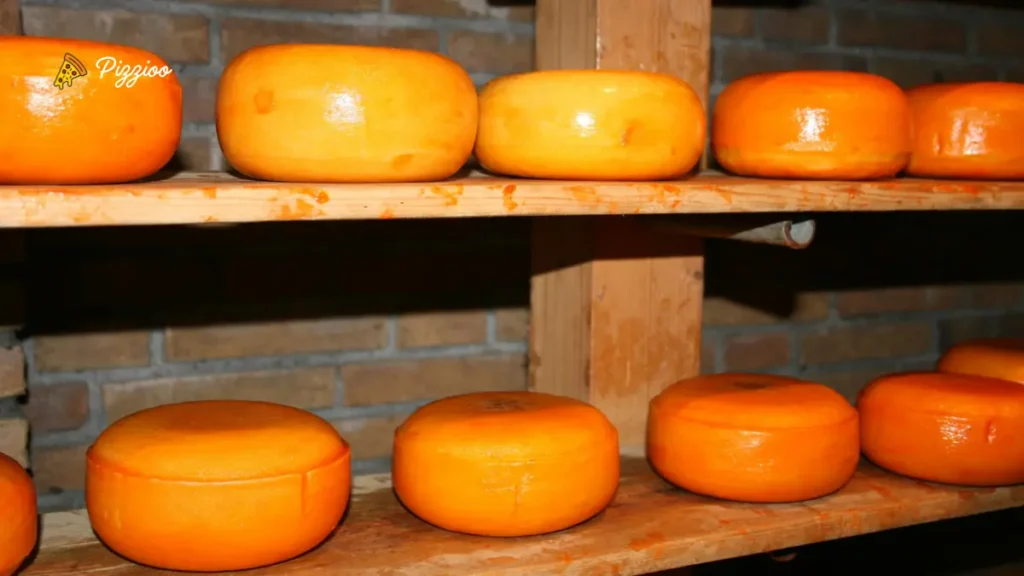
Brick cheese is the original and most authentic cheese used in Detroit-style pizza, especially the variety produced in Wisconsin. It’s a semi-soft cheese known for its mild, slightly tangy flavor when young, which becomes sharper as it ages.
In Detroit pizza, a younger version is typically used to maintain that perfect balance between creamy richness and subtle sharpness.
What truly sets brick cheese apart is how it melts and interacts with the pan. It spreads evenly, creating a smooth, gooey layer across the pizza while also caramelizing beautifully at the edges.
This unique behavior is what produces the signature crispy “frico” crust—something that’s difficult to replicate with standard cheeses alone.
Flavor Profile and Melting Characteristics
The flavor of traditional brick cheese is rich, buttery, and slightly tangy, making it ideal for complementing the thick, airy crust of Detroit-style pizza. It doesn’t overpower the sauce or toppings but instead enhances the overall taste with a well-rounded, savory depth.
This balance is crucial, especially since Detroit pizza uses a cheese-first layering method.
In terms of melting, brick cheese offers the best of both worlds: it becomes creamy and stretchy in the center while crisping up along the edges. It also has a relatively low moisture content compared to fresh cheeses, which helps prevent sogginess and ensures the crust stays light and crispy.
This combination of melt quality and browning ability is exactly why it remains the gold standard for Detroit-style pizza.
Best Cheeses for Detroit Style Pizza (Modern Days)
While traditional brick cheese remains the gold standard, it’s not always easy to find—especially for home cooks outside the U.S. The good news is that several modern cheeses (and smart combinations) can replicate or even enhance the signature melt, flavor, and crispy edges that define Detroit-style pizza.
The key is choosing cheeses that balance low moisture, good meltability, and strong browning capability. Below are some of the best options used today, whether you’re aiming for authenticity or creating your own perfect blend.
Mozzarella (Low-Moisture)
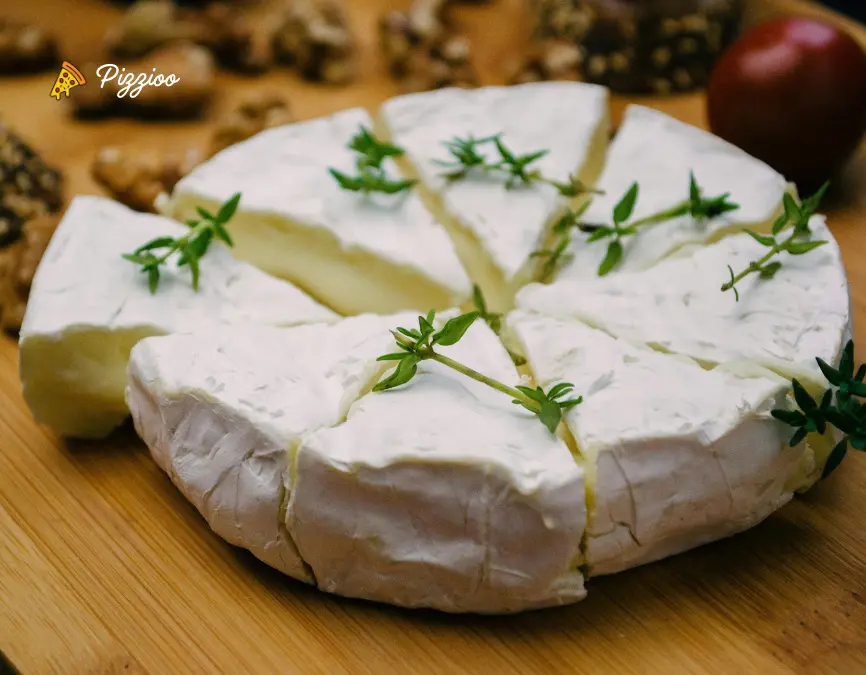
Low-moisture mozzarella is one of the most accessible and widely used substitutes for brick cheese. It has a mild, milky flavor that doesn’t overpower other ingredients, making it a safe and reliable base for Detroit-style pizza.
Its biggest strength is its melt and stretch. Mozzarella creates that classic gooey pull in the center while still allowing for some browning, especially when paired with other cheeses. However, on its own, it may lack the sharpness and edge caramelization needed for a fully authentic result.
Monterey Jack
Monterey Jack is a semi-soft cheese known for its creamy texture and excellent melting properties. It melts smoothly and evenly, creating a rich, velvety layer across the pizza without becoming greasy.
Flavor-wise, it’s mild and slightly buttery, which makes it a great complement to stronger cheeses. While it doesn’t brown as aggressively as brick cheese, it contributes to a soft interior and works well in blends aimed at balancing texture and richness.
Cheddar (Mild to Medium)
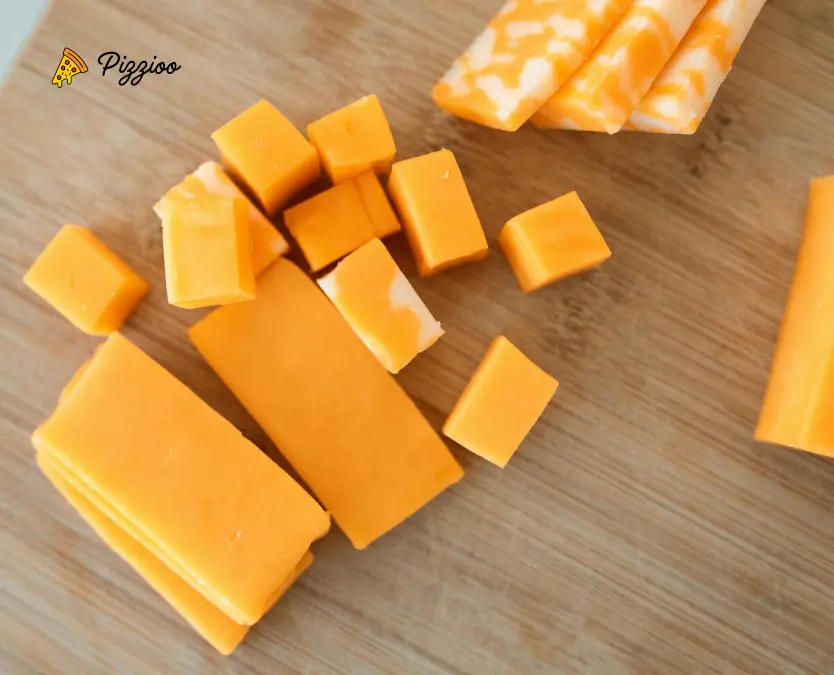
Cheddar is often used to enhance the flavor and improve browning, especially along the edges. Mild to medium cheddar works best, as sharp cheddar can sometimes overpower the overall taste and become oily when melted.
One of cheddar’s standout qualities is its ability to caramelize, helping create that crispy, golden crust Detroit-style pizza is known for. When combined with mozzarella, it adds depth, color, and a slightly tangy kick.
Provolone
Provolone brings a slightly sharper and more complex flavor compared to mozzarella, making it a great addition for those who want a richer taste profile. It melts smoothly and has a bit more character without being too strong.
In Detroit-style pizza, provolone is often used as part of a blend to boost flavor while maintaining a creamy texture. It also browns better than mozzarella, contributing to both taste and visual appeal.
Muenster
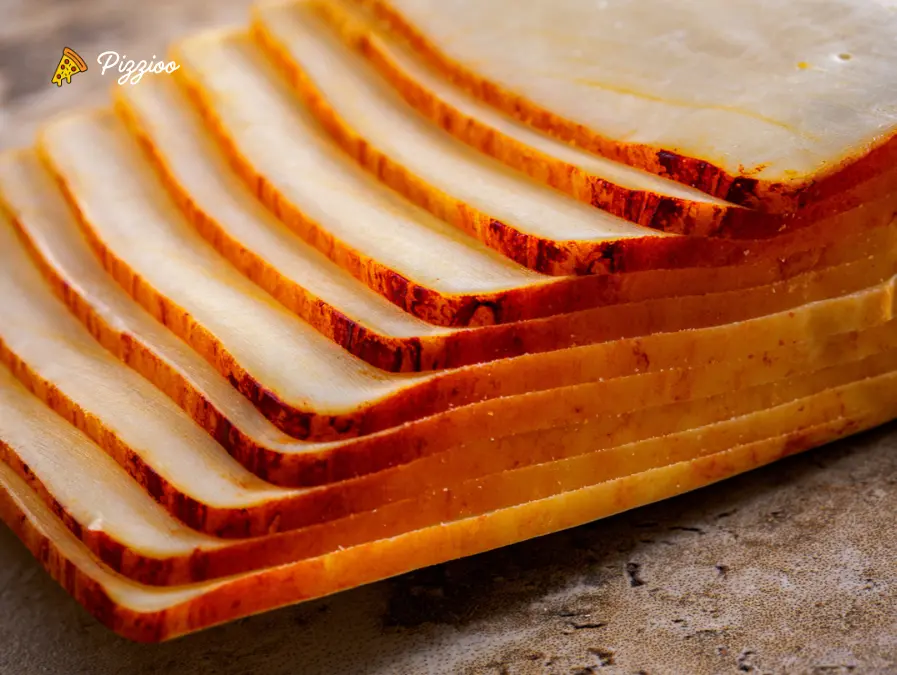
Muenster is a soft cheese that melts exceptionally well, producing a smooth, creamy consistency that spreads evenly across the dough. It has a mild, slightly tangy flavor that fits well within the Detroit-style profile.
Although it doesn’t crisp up as much as cheddar or brick cheese, it enhances the gooey interior and pairs nicely with sharper cheeses. It’s especially useful when you want a softer, richer bite in every slice.
Fontina
Fontina is a more premium option that offers a rich, nutty flavor and excellent melting qualities. It creates a smooth, slightly elastic texture that feels indulgent and gourmet.
While not traditional, fontina works beautifully in Detroit-style pizza when used in moderation. It adds depth and complexity, especially when combined with mozzarella or provolone, and can elevate the overall flavor experience.
Wisconsin Brick Cheese (If Available)
If you can get your hands on Wisconsin brick cheese, it’s still the best modern-day choice for authenticity. It delivers the ideal combination of buttery flavor, smooth melt, and crispy edge caramelization.
Even today, many pizzerias rely on brick cheese or blends that mimic its behavior. If availability isn’t an issue, this remains the closest you’ll get to a true Detroit-style pizza experience at home.
Best Cheese Combinations for Detroit Style Pizza
Using a single cheese can work—but if you want that true Detroit-style magic, blending cheeses is where things really come together. The right combination helps you balance melt, flavor, stretch, and crispy edges all at once.
Since no single widely available cheese perfectly replicates brick cheese, smart blends are the go-to approach for home cooks and even many pizzerias.
Below are some of the most effective and popular cheese combinations to help you achieve that gooey center and perfectly caramelized crust.
Classic Brick + Mozzarella Blend
This is the closest you’ll get to an authentic Detroit-style pizza while still improving texture and usability. Brick cheese delivers that signature buttery flavor and superior edge caramelization, while mozzarella adds a reliable stretch and helps create a more balanced melt across the pizza.
The combination results in a perfectly layered bite—crispy, golden edges with a soft, gooey center. A common ratio is about 60–70% brick cheese and 30–40% low-moisture mozzarella, giving you both authenticity and that satisfying cheese pull without compromising structure.
Cheddar + Mozzarella for Crispy Edges
If your main goal is achieving that iconic crispy “frico” crust, this blend is one of the best choices. Mozzarella forms the base with its smooth melt and stretch, while cheddar boosts browning and adds a slightly sharp, tangy flavor.
This combo is especially effective when cheese is pushed all the way to the edges of the pan. The cheddar caramelizes beautifully, creating a crunchy, golden crust, while mozzarella keeps the interior soft and cohesive. A 70% mozzarella to 30% mild cheddar ratio works best for balance.
Provolone + Monterey Jack for Creaminess
For a richer, smoother bite, this combination focuses on creaminess rather than crispiness. Provolone adds a mild sharpness and depth of flavor, while Monterey Jack melts into a silky, velvety layer that spreads evenly across the dough.
This blend is ideal if you prefer a softer, more indulgent texture with less emphasis on crunchy edges. While it won’t produce the same level of caramelization as cheddar-based mixes, it excels in delivering a balanced, creamy melt with a slightly elevated flavor profile.
Common Mistakes When Choosing Cheese for Detroit Pizza
Choosing the right cheese for Detroit-style pizza can make or break the final result. Because this style relies heavily on cheese for both texture and structure, even small mistakes can lead to soggy crusts, burnt edges, or flat flavor. Many home cooks focus only on taste—but in Detroit pizza, melt behavior, moisture, and browning matter just as much.
- Using Fresh Mozzarella Instead of Low-Moisture: Fresh mozzarella contains too much water, which can release during baking and make the crust soggy instead of crispy.
- Ignoring Edge-to-Edge Cheese Placement: Not spreading cheese all the way to the pan edges means you’ll miss out on the signature crispy, caramelized crust.
- Choosing High-Moisture or Soft Cheeses Only: Cheeses that don’t brown well (like overly soft varieties) won’t create that golden “frico” effect and can leave the pizza pale and greasy.
- Using Pre-Shredded Cheese Without Considering Additives: Many pre-shredded cheeses contain anti-caking agents that can affect melt quality and prevent smooth, even coverage.
- Overloading with Too Much Cheese: More isn’t always better. Excess cheese can trap moisture, leading to a heavy, undercooked base and uneven melting.
- Skipping Cheese Blends: Relying on a single cheese often limits texture and flavor. Blends are key to balancing stretch, creaminess, and crispiness.
- Using Very Sharp or Aged Cheeses in High Amounts: Strong cheeses can overpower the pizza and may release excess oil, affecting both flavor balance and texture.
- Not Considering Browning Ability: Some cheeses melt well but don’t brown properly, resulting in a lack of that iconic golden crust.
- Adding Cheese on Top of Sauce (Wrong Layering): Detroit-style pizza uses a cheese-first approach. Placing cheese over sauce changes how it melts and prevents proper crust formation.
- Not Adjusting Cheese to Baking Temperature: High-heat baking requires cheeses that can handle intense heat without burning or separating—choosing the wrong type can ruin the finish.
Pro Tips for Perfect Cheese Melt & Crispy Edges
Getting that signature Detroit-style cheese melt—gooey in the center with crispy, caramelized edges—is all about technique, not just ingredients. Even with the right cheese, small adjustments in how you layer, bake, and handle it can dramatically improve your results.
These expert tips will help you dial in that perfect balance of melt, texture, and crunch.
- Use a Cheese Blend Instead of a Single Type: Combine cheeses like mozzarella for stretch and cheddar or brick-style cheese for browning to get the best overall result.
- Always Push Cheese All the Way to the Edges: Let the cheese touch the sides of the pan—this is what creates the iconic crispy “frico” crust.
- Shred Your Own Cheese: Freshly shredded cheese melts smoother and more evenly compared to pre-shredded versions with anti-caking agents.
- Use Low-Moisture Cheeses as Your Base: This prevents excess water release during baking and helps keep the crust light and crispy.
- Layer Cheese Directly on the Dough (Not Over Sauce): This Detroit-style technique allows the cheese to fry slightly in the pan, enhancing both texture and flavor.
- Don’t Overload the Pizza: A moderate, even layer of cheese melts better and browns more consistently than an overly thick layer.
- Preheat the Pan with Oil: A lightly oiled, hot pan helps kickstart the frying effect at the edges, boosting crispiness.
- Bake at High Temperature: Higher heat encourages proper melting and caramelization without drying out the cheese.
- Let the Pizza Rest Before Removing: Giving it a few minutes after baking helps the cheese set slightly, making it easier to release those crispy edges intact.
- Use a Metal Pan for Best Results: Steel or aluminum pans conduct heat better than glass, helping achieve that deep golden crust along the edges.